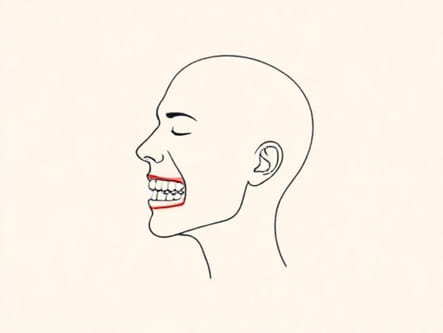
A misaligned jaw, medically known as malocclusion or temporomandibular joint (TMJ) disorder, can lead to discomfort, difficulty chewing, speech issues, and even headaches or facial pain. Many people seek non-surgical methods to alleviate symptoms and improve jaw alignment, and jaw exercises are often recommended as part of a comprehensive treatment plan. Regular, guided exercises can strengthen jaw muscles, improve mobility, reduce tension, and help support proper alignment over time. Understanding the correct techniques and integrating them into daily routines is crucial for effective results.
Understanding Jaw Misalignment
Jaw misalignment occurs when the upper and lower teeth or jaws do not line up properly. This can be due to genetic factors, developmental issues, injury, or prolonged habits such as teeth grinding. Misaligned jaws can contribute to symptoms such as uneven bite, difficulty opening or closing the mouth, pain in the jaw or neck, clicking or popping sounds, and headaches. Identifying the specific type of misalignment is essential before starting any exercise regimen to ensure safety and effectiveness.
Types of Jaw Misalignment
- OverbiteWhen the upper teeth significantly overlap the lower teeth.
- UnderbiteWhen the lower teeth protrude past the upper teeth.
- CrossbiteWhen some upper teeth sit inside the lower teeth rather than outside.
- Open BiteWhen the front teeth do not touch when the mouth is closed, leaving a gap.
Benefits of Jaw Exercises
Jaw exercises target the muscles responsible for movement and stability, helping to improve function and reduce discomfort. Some key benefits include
- Strengthening jaw muscles to better support alignment
- Increasing flexibility and range of motion
- Reducing jaw tension, clicking, or popping sounds
- Alleviating pain associated with TMJ disorders
- Improving overall bite and jaw function
Precautions Before Starting Exercises
Before beginning jaw exercises, it is important to consult with a dentist, orthodontist, or physical therapist specializing in TMJ disorders. Overexertion or improper techniques can worsen symptoms. Start gently, avoid exercises that cause pain, and gradually increase intensity as advised by a professional. Consistency is key, but exercises should never exacerbate discomfort.
Effective Jaw Exercises for Misaligned Jaw
1. Jaw Stretch
The jaw stretch helps increase flexibility and reduce tension. To perform
- Sit or stand upright with your shoulders relaxed.
- Slowly open your mouth as wide as comfortable without causing pain.
- Hold the position for 5-10 seconds, then gently close your mouth.
- Repeat 5-10 times, twice daily.
2. Chin Tucks
Chin tucks strengthen muscles that stabilize the jaw and neck
- Sit upright and gently tuck your chin toward your neck.
- Hold for 5 seconds and release.
- Repeat 10-15 times, focusing on slow, controlled movement.
3. Side-to-Side Jaw Movement
This exercise improves lateral jaw mobility and reduces stiffness
- Place the tip of your tongue on the roof of your mouth for stability.
- Slowly move your lower jaw to the left as far as comfortable, then to the right.
- Repeat 10 times in each direction, once or twice daily.
4. Forward Jaw Stretch
Forward jaw stretches help correct underbite or overbite tendencies
- Place your thumb under your chin.
- Gently push your lower jaw forward while resisting slightly with your hand.
- Hold for 5 seconds, relax, and repeat 10 times.
5. Resistance Exercises
These exercises strengthen jaw muscles by applying gentle resistance
- Place your fist under your chin.
- Open your mouth slowly against the resistance of your hand, hold for 3-5 seconds, then relax.
- Repeat 8-10 times, being careful not to overstrain.
Additional Tips for Jaw Health
In addition to exercises, lifestyle habits play an important role in managing jaw misalignment and preventing worsening symptoms
- Maintain good posture to reduce tension in the neck and jaw.
- Avoid chewing gum or eating very hard foods excessively, which can strain jaw muscles.
- Practice stress-reducing techniques, as tension and teeth grinding can aggravate TMJ disorders.
- Use warm compresses to relax muscles before exercises if needed.
- Regularly follow up with your dentist or orthodontist to monitor progress and adjust your exercise routine.
When to Seek Professional Help
While jaw exercises can be very helpful, certain situations require professional intervention. If pain is persistent, swelling occurs, or jaw locking is frequent, consulting a dentist or TMJ specialist is essential. In some cases, orthodontic treatment, dental appliances, or even surgical options may be necessary to correct severe misalignment.
Jaw exercises for misaligned jaw offer a non-invasive and effective method to strengthen muscles, improve mobility, and reduce discomfort associated with TMJ disorders and malocclusion. Consistent practice, combined with proper posture, stress management, and professional guidance, can lead to noticeable improvements in jaw function and overall oral health. While exercises alone may not fully correct severe misalignment, they form an essential component of a holistic treatment plan, enhancing quality of life and reducing the impact of jaw-related symptoms on daily activities. By integrating these exercises into a regular routine and monitoring progress with a healthcare professional, individuals can take proactive steps toward better jaw alignment and long-term oral health.