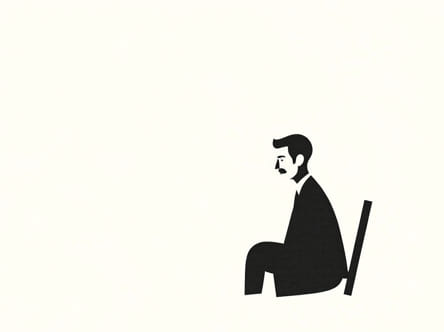
Franz Kafka’s Letter to His Father stands as one of the most intense and emotionally complex documents in modern literature. Written in 1919 but never delivered, this long, introspective letter was addressed to Kafka’s father, Hermann Kafka, and aimed to explain the deep psychological gulf between them. It is not merely a personal confession, but a profound literary expression that offers insight into Kafka’s inner world, his creative work, and the painful dynamics of his family life. With unflinching honesty, Kafka uses the letter to analyze, justify, and wrestle with the deep fears and emotional traumas that haunted his relationships and writings.
Context and Purpose of the Letter
Kafka wrote the letter when he was 36 years old, during a period of personal crisis. He was engaged to Julie Wohryzek at the time, but his father disapproved of the match, just as he had objected to Kafka’s previous engagements. The letter was an attempt to communicate all the hurt, confusion, and alienation Kafka had long experienced, but was never able to express openly. The letter serves both as a plea for understanding and a therapeutic exercise. It was over 100 pages long, but Kafka asked his mother to deliver it, which she never did perhaps because she sensed the explosive nature of its contents.
Kafka’s Relationship with His Father
Authoritarian Figure
In the letter, Kafka paints his father as a domineering and fearsome figure who ruled the household with force and harsh expectations. Hermann Kafka, a successful businessman of working-class origin, expected strength, assertiveness, and conformity from his son traits that Franz, with his sensitive and introverted nature, struggled to embody.
The Impact on Kafka’s Psyche
Kafka felt belittled and emotionally crushed by his father’s overbearing presence. The letter explores how this relationship made him feel inferior, guilty, and powerless. He accuses his father of creating an atmosphere of fear and of constantly shaming him for his perceived weaknesses. These dynamics deeply affected Kafka’s self-image and contributed to his chronic anxiety, insomnia, and sense of failure, themes which also pervade his literary work.
The Letter as a Literary Work
Letter to His Father is more than a personal document; it reads like a psychological drama. Kafka writes in a meticulous, logical style, carefully structuring his thoughts and often anticipating his father’s rebuttals. This rhetorical technique gives the letter a courtroom-like tone, as if Kafka is making a legal argument to justify his emotional condition.
Style and Tone
The language is clear, direct, and analytical. Kafka doesn’t erupt with emotion but instead dissects his experiences with almost scientific precision. This tone helps amplify the emotional weight of the content because the restraint in style contrasts with the pain of the subject matter. Kafka is not accusing out of rage, but explaining out of desperation for understanding.
Recurring Themes
- Fear and Authority
- Guilt and Shame
- Powerlessness and Voice
- The divided self and inner conflict
These themes are not unique to the letter; they echo throughout Kafka’s fiction, from The Metamorphosis to The Trial. Many scholars argue that understanding this letter is essential for interpreting Kafka’s major works.
Kafka’s Struggle with Identity
Kafka was a German-speaking Jew living in Prague under the Austro-Hungarian Empire a man caught between identities. This complicated cultural background contributed to his feelings of alienation. In the letter, Kafka reveals how his father’s simplistic view of Judaism and success made him feel disconnected not only from his family but from his heritage. He writes that his father’s way of being Jewish was a matter of cultural habit, not spiritual belief, which left Kafka feeling rootless.
Father as Symbol of Society
In many ways, Kafka’s father represents more than just a parent he is a symbol of oppressive societal structures, expectations, and conventions. Kafka’s struggle with him mirrors his broader struggle with authority and conformity. His writing often critiques bureaucracy, law, and judgment, using surreal situations to reflect the sense of entrapment he felt in real life. The letter is thus not only autobiographical but metaphorical.
Reception and Legacy
Although Letter to His Father was not published during Kafka’s lifetime, it has since become a central text in Kafka studies. It provides a key to understanding the emotional and psychological forces behind his fiction. The letter is widely read in literature courses and has been the subject of countless analyses in both literary and psychoanalytic contexts.
Influence on Modern Literature
Kafka’s brutally honest exploration of his personal trauma in the letter has inspired other writers to engage in similar self-examination. His work paved the way for confessional literature and set a precedent for the use of personal narrative as a means of philosophical inquiry. The letter has influenced modern writers who explore themes of alienation, familial conflict, and identity.
Emotional Honesty and Human Experience
What makes Letter to His Father so compelling is its universal emotional resonance. Many readers identify with the pain of not being understood by a parent, the fear of disappointing authority figures, or the struggle to define oneself independently. Kafka’s experiences may have been extreme, but they are also deeply human. His willingness to confront these emotions without flinching gives the letter its lasting power.
Therapeutic Function
Although Kafka never received a reply, the act of writing the letter was undoubtedly therapeutic. It allowed him to articulate his feelings and make sense of his personal history. For modern readers, the letter can serve a similar function it provides a model of emotional honesty and the courage to confront uncomfortable truths.
Franz Kafka’s Letter to His Father is a powerful document of emotional suffering, psychological insight, and literary brilliance. It captures the complex relationship between a sensitive son and his authoritarian father, while also shedding light on the broader themes that define Kafka’s writing. By blending confession with literary craft, Kafka created a work that continues to speak across generations. The letter remains a vital text not only for understanding Kafka as a man but for appreciating the depth of his literary genius.