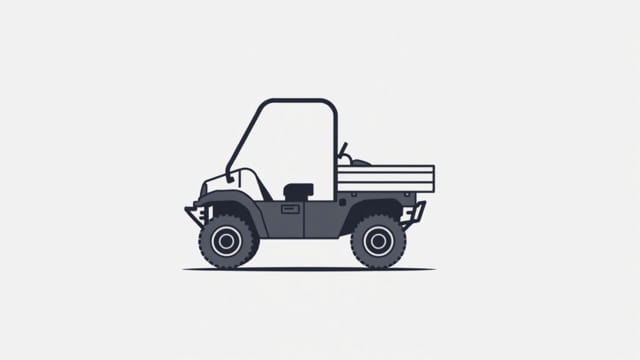
The Kawasaki Mule 4010 is a rugged utility vehicle popular for its durability and performance in off-road and worksite environments. Known for tackling tough terrain and hauling heavy loads, it’s a trusted machine for farmers, ranchers, and outdoor enthusiasts. However, like any utility vehicle, the Mule 4010 is not immune to performance issues. One commonly reported problem is the engine bogging down during acceleration or under load. Understanding what causes this issue and how to address it is key to keeping your Kawasaki Mule 4010 running efficiently and reliably.
Understanding Bogging Down in the Kawasaki Mule 4010
When we talk about an engine ‘bogging down,’ it refers to a condition where the engine hesitates, stutters, or loses power under acceleration or heavy load. This issue can significantly affect the performance of your Mule 4010, especially when towing, climbing hills, or navigating rough terrain. Bogging can feel like the engine is struggling or about to stall, and it’s often accompanied by a decrease in throttle response.
Common Symptoms of Bogging Down
- Slow or delayed acceleration
- Loss of power under load
- Engine stalling when applying throttle
- Rough or uneven engine idle
- Backfiring or unusual engine noise
These symptoms can arise from various mechanical, electrical, or fuel-related problems. Diagnosing the root cause early can help prevent further damage and reduce repair costs.
Fuel Delivery Issues
One of the most common causes of bogging down in the Kawasaki Mule 4010 is improper fuel delivery. If the engine is not receiving the right amount of fuel at the correct pressure, it won’t perform as expected.
Fuel Filter and Fuel Pump
A clogged fuel filter restricts the flow of gasoline, especially at higher speeds or under load. The fuel pump might also be failing or delivering insufficient pressure, causing the engine to starve for fuel.
- Replace the fuel filter if it hasn’t been changed recently.
- Inspect the fuel pump for signs of wear or failure.
- Check fuel lines for leaks, cracks, or clogs.
Dirty Carburetor or Injectors
The Mule 4010 may be carbureted or fuel-injected depending on the model year. Dirt and varnish buildup in the carburetor jets or fuel injectors can restrict fuel flow.
- Use a carburetor cleaner or fuel injector cleaner to remove buildup.
- Consider professional cleaning if issues persist.
Air Intake Problems
An engine needs the right mix of air and fuel to run properly. A blocked air filter or restricted intake system can prevent the engine from getting enough air, leading to bogging under load.
Air Filter Inspection
Check the air filter for dust, dirt, or debris. If it’s clogged, replace it with a clean filter. This is a quick and inexpensive fix that can restore engine performance immediately.
Throttle Body and Intake Valves
Carbon buildup in the throttle body or intake valves can limit airflow, causing poor throttle response and bogging. Cleaning these parts periodically can help maintain smooth engine operation.
Ignition System Faults
If the spark plugs aren’t firing correctly, or if the ignition timing is off, the engine may bog or misfire. The ignition system is crucial for efficient combustion, especially when under strain.
Spark Plug Condition
- Remove and inspect spark plugs for fouling or wear.
- Replace spark plugs if they appear black, oily, or corroded.
- Ensure correct gap spacing as per manufacturer specifications.
Ignition Coil and Wiring
A weak ignition coil or damaged spark plug wires can lead to intermittent spark delivery, causing the engine to stutter under load. Use a multimeter to check for proper resistance or consult a technician.
Vacuum Leaks and Sensor Malfunctions
Vacuum leaks in the intake system or faulty sensors can lead to an incorrect air-fuel mixture, resulting in bogging or hesitation.
Check for Vacuum Leaks
Inspect hoses and gaskets around the intake manifold for cracks or loose connections. A simple smoke test or carb cleaner spray test can help detect leaks.
Mass Air Flow (MAF) and Oxygen Sensors
If your Mule 4010 has sensors that regulate air-fuel mixture, a dirty or failed sensor could lead to poor performance. Clean or replace faulty sensors as needed.
Exhaust Restrictions
A blocked or damaged exhaust system can cause excessive backpressure, which reduces engine efficiency and power output. If the muffler or catalytic converter is clogged, the engine may bog down as a result.
- Inspect the exhaust system for dents, rust, or blockages.
- Listen for unusual exhaust noise or rattling.
- Check if exhaust gas flow feels restricted at the tailpipe.
Transmission and Drivetrain Load
Sometimes, the issue may not be with the engine at all. A malfunctioning CVT (continuously variable transmission), worn clutch, or misaligned drivetrain components can place excess load on the engine, causing it to bog down.
Inspect CVT System
Check the drive belt, clutches, and pulleys for wear and proper tension. Replace worn parts and ensure proper alignment to allow smooth power transfer.
Lubrication and Maintenance
Lack of proper maintenance can lead to increased friction and resistance in the drivetrain. Regular lubrication of moving parts is essential to reduce unnecessary engine load.
Preventative Maintenance Tips
- Follow the recommended maintenance schedule from Kawasaki.
- Use high-quality fuel and engine oil.
- Inspect and clean air and fuel filters regularly.
- Keep sensors and electrical connections free of corrosion.
- Store the vehicle in a dry, clean environment to prevent buildup.
When to Seek Professional Help
If you’ve gone through all the basic troubleshooting steps and your Kawasaki Mule 4010 is still bogging down, it may be time to consult a certified mechanic. A professional can perform more advanced diagnostics using tools such as OBD scanners, compression tests, and engine analyzers to pinpoint the problem accurately.
The Kawasaki Mule 4010 is a dependable utility vehicle, but like any machine, it can develop performance issues such as bogging down under load. By identifying potential causes ranging from fuel and air intake problems to ignition faults and drivetrain resistance you can take appropriate steps to restore performance. Routine maintenance and careful attention to early warning signs will help ensure your Mule 4010 continues to deliver reliable power on and off the trail.