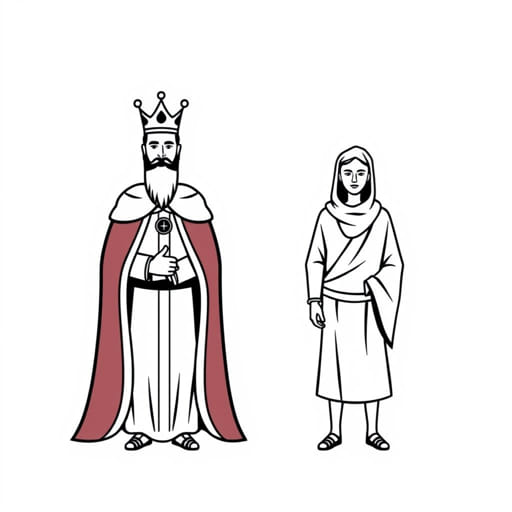
The story of ‘The King and the Pauper’ is a timeless tale that explores themes of identity, social inequality, and the human desire for freedom. Set in 16th-century England, the narrative follows two boys who look identical but come from completely different worlds one a prince, the other a beggar. Through a twist of fate, they swap places and experience life from the opposite side of society. This classic tale continues to resonate with readers today, offering not only a compelling story but also a deep reflection on justice, privilege, and empathy.
Historical and Literary Context
Mark Twain’s Vision
‘The Prince and the Pauper,’ often mistakenly referred to as ‘The King and the Pauper,’ was written by Mark Twain and published in 1881. Twain, known for his wit and deep commentary on social structures, used this story to critique monarchy, wealth disparity, and societal assumptions. Although the book is a work of fiction, it is set during the reign of King Henry VIII and features his son, Edward VI, as one of the protagonists.
The idea behind the story is both simple and powerful: two boys who live vastly different lives trade places and learn what it truly means to walk in someone else’s shoes. Twain’s intention was not only to entertain but to raise awareness about the rigid structures of class and privilege that defined his era and, arguably, still influence society today.
Main Characters and Their Journey
Edward Tudor
Edward Tudor, the Prince of Wales, is born into royalty, surrounded by luxury and expectation. Despite his wealth, he is curious about the world outside the palace walls. His sheltered life changes dramatically when he meets a poor boy who looks exactly like him and they decide to switch clothes for fun. This innocent exchange leads to a series of misunderstandings and mistaken identities that force Edward to live as a pauper, experiencing hardship and injustice firsthand.
Tom Canty
Tom Canty is a poor boy from Offal Court, London. Living in squalor, he dreams of a better life and idolizes the royal family. When he encounters the prince and is invited to the palace, his fantasy becomes a reality. However, life as a royal is far more complex than he imagined. Tom is suddenly responsible for court duties, royal ceremonies, and political decisions, all while trying to hide his true identity.
- Edward learns the cruelty of poverty and injustice
- Tom discovers the burden of power and responsibility
- Both boys gain a deeper understanding of life from each other’s perspective
Themes and Messages
Identity and Empathy
One of the core themes in the King and the Pauper narrative is the idea of identity. The physical resemblance between Edward and Tom allows them to swap places, but their different upbringings become evident quickly. The story shows that identity is not only about appearance but shaped by one’s environment, experiences, and values.
As they navigate each other’s lives, both boys learn empathy. Edward experiences hunger, abuse, and societal indifference. Tom, meanwhile, feels the weight of leadership and realizes that power comes with responsibility. Their growth highlights the importance of understanding and compassion in bridging social divides.
Class and Inequality
The contrast between royal privilege and urban poverty is central to the narrative. Twain critiques the rigid class system that allows suffering to go unnoticed by those in power. When Edward sees commoners beaten, starved, and jailed unjustly, he begins to question the laws and norms of his kingdom.
This theme of inequality still resonates today, as societies around the world struggle with economic disparity and systemic injustice. The story remains relevant because it challenges readers to consider what life is like for those less fortunate and what changes are needed to create a more just world.
Symbolism and Moral Lessons
The Clothes Make the Man?
One of the most striking symbols in the story is the clothing worn by the boys. When Edward dresses as a pauper, he is treated with contempt; when Tom wears the prince’s robes, he is treated with reverence. This symbol serves to question society’s tendency to judge based on appearance rather than merit or character.
Justice and Reform
After the boys return to their rightful places, Edward becomes a more compassionate ruler. His time as a pauper taught him firsthand about injustice, and he vows to rule with fairness and empathy. This transformation illustrates the moral that leadership should be informed by understanding the struggles of all people, not just the elite.
Tom, although he returns to his modest life, is forever changed by his experiences. He carries with him memories of both kindness and cruelty, which shape his worldview and how he treats others.
Adaptations and Legacy
Popular Culture
The story of the King and the Pauper has been adapted many times across different media, including film, television, theater, and animation. Its universal themes and clear moral message make it appealing for both children and adults. Disney’s animated short starring Mickey Mouse and other adaptations have brought the story to new generations, preserving its place in global storytelling.
Educational Value
This tale is frequently used in educational settings to teach themes like equality, perspective-taking, and historical context. It’s also a useful text for discussing literary devices such as symbolism, irony, and character development. Students often engage with the idea of role reversal and are encouraged to think critically about societal norms and power structures.
Modern Relevance
Reflections in Today’s World
Though set in the 16th century, the lessons of the King and the Pauper are highly relevant today. Modern society still grapples with income inequality, systemic injustice, and the impact of appearances on how people are treated. The story’s message urges modern readers to look beyond the surface and to advocate for fairness and understanding.
In politics, leadership, and daily life, the tale reminds us that everyone regardless of status deserves dignity and respect. It also encourages those in power to experience the lives of ordinary people, to better understand the impact of their decisions.
Empathy in Leadership
One of the key takeaways is the idea that true leadership requires empathy. Edward’s transformation into a wiser, more compassionate ruler mirrors what we hope to see in modern leaders. Understanding different walks of life is crucial in making policies and decisions that are inclusive and just.
The story of the King and the Pauper is more than just a tale of mistaken identity; it is a rich exploration of human nature, society, and justice. Through the eyes of two boys from different worlds, readers gain insight into the complexities of privilege and the power of empathy. As we navigate our own social systems, the lessons from this classic remain as important as ever, reminding us that every person has value, and understanding begins when we dare to see the world through another’s eyes.