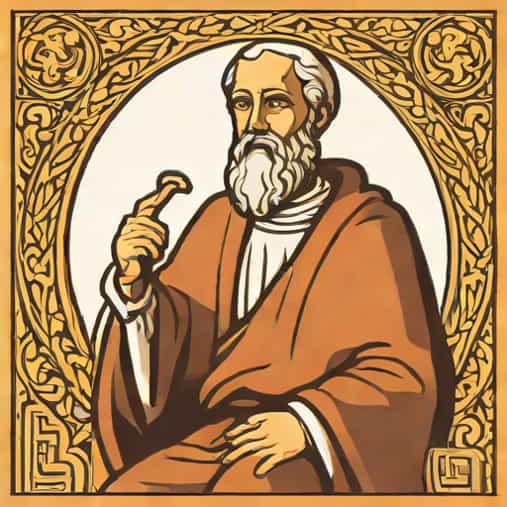
The phrase known as the father of Renaissance humanism is most commonly associated with Francesco Petrarch, a scholar, poet, and intellectual whose ideas helped shape a major shift in European thought. His influence marked a turning point away from purely medieval worldviews toward a renewed interest in classical learning, human potential, and individual experience. Understanding why Petrarch earned this title requires looking at his life, his ideas, and the lasting impact of his work on education, literature, and culture during the Renaissance.
The Historical Background of Renaissance Humanism
Renaissance humanism emerged during a period when Europe was beginning to question long-established traditions rooted in medieval scholasticism. For centuries, education focused heavily on theology and rigid interpretations of philosophy. Humanism introduced a new emphasis on the study of classical Greek and Roman texts, grammar, rhetoric, history, poetry, and moral philosophy.
This movement did not reject religion entirely, but it encouraged people to study humanity itself, including ethics, emotions, creativity, and reason. Renaissance humanism laid the intellectual foundation for cultural, artistic, and scientific advancements that followed.
Who Was Francesco Petrarch?
Francesco Petrarch was born in 1304 in Italy and lived during a time of transition between the Middle Ages and the Renaissance. He was deeply educated in Latin literature and developed a lifelong passion for ancient Roman writers such as Cicero, Virgil, and Livy.
Petrarch believed that the wisdom of classical authors had been neglected and misunderstood. He dedicated much of his life to rediscovering ancient manuscripts and encouraging others to study them with fresh curiosity and respect.
Why Petrarch Is Known as the Father of Renaissance Humanism
Petrarch is known as the father of Renaissance humanism because he helped define its core values and methods. He did not simply admire classical texts; he actively promoted their study as a way to improve moral character and intellectual depth.
Unlike medieval scholars who often used classical works only to support theological arguments, Petrarch valued them for their insights into human nature, ethics, and personal expression. This approach became central to humanist education.
Petrarch’s Love for Classical Antiquity
One of Petrarch’s defining traits was his admiration for ancient Rome. He saw classical authors as guides to wisdom and virtue rather than outdated pagan thinkers. His letters often express frustration with what he viewed as intellectual stagnation in his own time.
Petrarch actively searched for lost manuscripts, helping to preserve works that might otherwise have disappeared. His efforts played a key role in reviving classical literature across Europe.
The Importance of Individual Experience
A key idea in Renaissance humanism is the value of individual experience, and Petrarch embodied this belief. His writings often explored personal emotions, inner conflict, and self-reflection, themes that were uncommon in medieval scholarly writing.
Through poetry and letters, he expressed love, doubt, ambition, and spiritual struggle. This focus on the inner life influenced later writers and helped shape a more personal style of literature.
Petrarch’s Contribution to Literature
Petrarch is widely known for his poetry, especially his sonnets written in the vernacular Italian language. These poems, often centered on his idealized love for Laura, influenced European poetry for centuries.
By writing in the vernacular as well as Latin, Petrarch helped bridge the gap between scholarly culture and everyday readers. This choice aligned with humanist values that emphasized accessibility and human expression.
Humanist Education and Learning
Another reason Petrarch is known as the father of Renaissance humanism lies in his views on education. He believed that studying grammar, rhetoric, history, poetry, and moral philosophy helped develop well-rounded individuals.
These subjects, later known as the humanities, formed the basis of humanist education. Petrarch argued that education should cultivate wisdom and virtue, not just technical knowledge.
Petrarch’s Letters and Intellectual Influence
Petrarch’s letters reveal much about his humanist philosophy. He wrote letters to friends, scholars, and even ancient authors, treating them as intellectual companions. These letters demonstrate his belief in dialogue across time.
Through his correspondence, Petrarch spread humanist ideas and inspired others to adopt similar approaches to learning and writing.
The Moral Dimension of Renaissance Humanism
Renaissance humanism was not only about intellectual curiosity but also about moral improvement. Petrarch believed that studying classical texts could help people live more virtuous lives.
He emphasized self-discipline, ethical behavior, and the pursuit of wisdom. This moral focus distinguished humanism from mere admiration of ancient culture.
Influence on Later Humanists
Petrarch’s ideas influenced generations of scholars who followed him. Figures such as Erasmus, Boccaccio, and later Renaissance thinkers built upon his emphasis on classical learning and human-centered education.
Because of Petrarch, humanism became a widespread intellectual movement rather than a personal passion of one scholar.
Difference Between Petrarch and Medieval Thinkers
While medieval scholars focused largely on abstract logic and theological debate, Petrarch prioritized language, history, and ethical reflection. He criticized excessive reliance on rigid argumentation.
This shift in priorities helped move European thought toward a more balanced view of intellect and humanity.
Why the Title Still Matters Today
Calling Petrarch the father of Renaissance humanism is not just a historical label. It highlights the origins of ideas that continue to shape modern education and culture.
The humanities, critical thinking, and appreciation of literature all trace part of their development back to the humanist movement Petrarch helped inspire.
Key Characteristics of Petrarch’s Humanism
- Revival of classical Greek and Roman texts
- Focus on moral philosophy and ethics
- Emphasis on individual experience and emotion
- Promotion of education in the humanities
Final Reflection
Francesco Petrarch is known as the father of Renaissance humanism because he helped redefine how people approached learning, literature, and self-understanding. His admiration for classical antiquity, combined with his focus on moral and personal growth, marked a clear departure from medieval traditions.
Through his writings, scholarship, and intellectual vision, Petrarch laid the groundwork for a cultural movement that transformed Europe. His legacy continues to influence how we value education, creativity, and the study of what it means to be human.