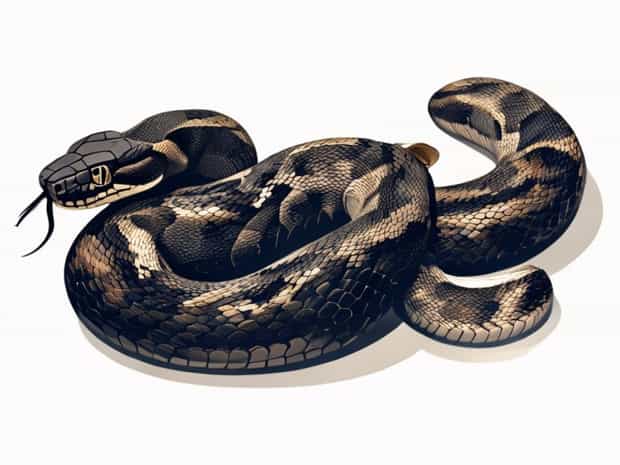
Across the forests, mountains, and wetlands of the eastern United States, few snakes inspire both fascination and fear quite like the timber rattlesnake. Known for its distinctive rattle, striking patterns, and powerful venom, this snake has long captured the imagination of herpetologists and outdoor enthusiasts. Among all the discussions about its behavior, habitat, and role in nature, one question often arises what is the largest timber rattlesnake on record? This topic brings together a mix of folklore, documented encounters, and biological facts, creating a captivating story about one of America’s most iconic reptiles.
Understanding the Timber Rattlesnake
The timber rattlesnake (Crotalus horridus) is a venomous pit viper native to the eastern half of the United States. It inhabits deciduous forests, rocky hillsides, and even swamplands. Despite its fearsome reputation, it is generally not aggressive and prefers to avoid human encounters. However, its large size and distinct rattle make it a snake that commands respect.
Typical Size Range
Most adult timber rattlesnakes measure between 36 and 60 inches in length, which equals about 3 to 5 feet. The average weight ranges from 1.5 to 3 pounds, though some individuals can grow heavier. Their size varies depending on food availability, habitat, and genetics. This standard range makes reports of exceptionally large specimens all the more remarkable.
The Largest Timber Rattlesnake on Record
Throughout history, claims of enormous timber rattlesnakes have circulated among hunters, hikers, and locals in rural areas. While folklore often exaggerates, scientific records and reliable reports help establish what we know about the largest individuals.
Documented Maximum Length
The largest timber rattlesnake ever reliably measured stretched to about 74 inches, or just over 6 feet 2 inches in length. This is significantly larger than the average adult and demonstrates the growth potential of the species under ideal conditions. Some unverified reports mention specimens approaching 7 feet, but most herpetologists agree that confirmed measurements rarely exceed 6 feet.
Exceptional Weight
In terms of weight, some of the heaviest documented timber rattlesnakes have exceeded 10 pounds. A snake of this size would not only be unusually long but also thick-bodied, giving it a truly imposing appearance. When considering both length and girth, such individuals stand out as giants within their species.
Where Giant Timber Rattlesnakes Are Found
The largest timber rattlesnakes tend to be found in regions where food is plentiful and habitats remain relatively undisturbed. This includes the Appalachian Mountains, parts of the Ozarks, and heavily forested areas of the Northeast. These environments provide abundant prey such as rodents, rabbits, and birds, allowing snakes to reach exceptional sizes.
Factors That Influence Size
- Availability of prey animals
- Climate and length of active season
- Genetics and regional variations
- Age, as older snakes have more time to grow
Folklore vs. Reality
Many hunters and hikers have shared stories about encountering timber rattlesnakes longer than 8 or even 9 feet. While these tales are exciting, scientific evidence does not support such extreme lengths. Often, eyewitness estimates are exaggerated because a coiled snake or a wide body can give the illusion of greater size. Reliable records, based on captured and measured snakes, consistently place the maximum size between 6 and 7 feet.
Historical Accounts
In the 19th and early 20th centuries, newspapers occasionally reported timber rattlesnakes of enormous proportions. However, without photographic or physical evidence, these accounts are viewed more as folklore than fact. Modern herpetologists emphasize the importance of verified measurements when discussing record-breaking animals.
Comparisons with Other Rattlesnakes
The timber rattlesnake is not the largest rattlesnake species overall, but it holds an impressive place among its relatives. For comparison
- The eastern diamondback rattlesnake can reach lengths of 8 feet, making it the largest rattlesnake species.
- The western diamondback typically grows to around 5 feet, similar to most timber rattlesnakes.
- The massasauga rattlesnake, another North American species, is much smaller, averaging only 2 feet in length.
Even though timber rattlesnakes are not the absolute largest, their size combined with their widespread presence in forests makes them one of the most striking species in the United States.
Ecological Role of Large Timber Rattlesnakes
The biggest timber rattlesnakes play an important role in their ecosystems. Their larger size allows them to consume bigger prey, helping regulate populations of rodents and other small animals. By doing so, they help maintain balance in their habitat and even reduce the spread of diseases carried by rodents, such as Lyme disease.
Predators and Threats
Even large timber rattlesnakes face threats from natural predators and human activity. Hawks, eagles, and mammals like coyotes may prey on smaller individuals, but adult giants are usually safe from most predators. The greater threat comes from habitat destruction, road mortality, and direct persecution by humans who often kill rattlesnakes out of fear.
Conservation and Protection
Because timber rattlesnakes are slow to reproduce and vulnerable to human pressures, their populations have declined in many states. In some areas, they are listed as threatened or endangered. Protecting their habitats and educating the public about their ecological value are key steps to ensuring that future generations can still marvel at these snakes, including the rare giants that break size records.
Conservation Efforts
- Legal protections in several states where populations have dropped
- Public awareness campaigns to reduce fear and unnecessary killings
- Habitat preservation programs in forests and mountains
Why Large Timber Rattlesnakes Fascinate People
There is something captivating about record-breaking animals, and the largest timber rattlesnake is no exception. Whether it is the thrill of spotting a massive snake in the wild, the respect for its survival skills, or the curiosity about how large it can grow, these reptiles leave a lasting impression. Their size adds an element of mystery and awe to an already fascinating species.
The largest timber rattlesnake on record measured just over 6 feet long, with some rare individuals exceeding that size. While stories of giant rattlesnakes much larger than this persist, scientific evidence supports a maximum range of 6 to 7 feet. These impressive snakes are not only a marvel of nature but also an important part of their ecosystems. By understanding and respecting them, we can appreciate the role they play and continue to protect their place in the wild. The record-breaking giants remind us of the extraordinary diversity of wildlife that still thrives in the forests of North America.