The lifespan of a horsefly is a fascinating subject that sheds light on the natural cycles of this persistent and often pesky insect. Known for their painful bites and relentless pursuit of blood, horseflies are much more than just summer nuisances. Their life stages, environmental influences, and reproductive patterns all play crucial roles in determining how long these insects live. Whether you are a biologist, an animal owner, or someone curious about insect lifecycles, understanding the complete lifespan of a horsefly can offer valuable insight into their behavior and impact on ecosystems.
What is a Horsefly?
A horsefly, scientifically part of the Tabanidae family, is a large, robust insect that is commonly found in warm, humid environments, especially near water bodies. Unlike mosquitoes, which can be relatively quiet and subtle, horseflies are aggressive and hard to ignore. Female horseflies feed on blood, which is essential for egg production, while males typically feed on nectar and plant juices. Their size, loud buzzing, and powerful flying ability make them stand out from other common flies.
Stages of a Horsefly’s Life
The complete lifespan of a horsefly involves several distinct stages, each with its own characteristics and duration. These stages are:
1. Egg Stage
The horsefly life cycle begins when the female lays eggs, usually in clusters of 100 to 1000, on vegetation near water or damp soil. These eggs are white initially and turn dark over time. Within 5 to 7 days, the eggs hatch, giving rise to the larval stage. This period is critical, as egg survival depends on environmental conditions like humidity and temperature.
2. Larval Stage
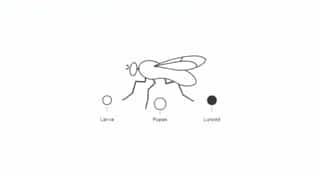
Once hatched, horsefly larvae fall into the moist soil or water below and begin to grow. The larval stage can last anywhere from several months up to a full year, depending on the species and environmental factors. During this time, larvae feed on organic material, small insects, and even other larvae. They go through several molts, becoming increasingly large and robust as they prepare for the pupal stage.
3. Pupal Stage
After the larval phase, the horsefly enters the pupal stage, which typically lasts between 1 to 3 weeks. The pupa is inactive and does not feed but undergoes a significant transformation, developing wings, compound eyes, and adult body structures. This metamorphosis is essential for emerging as a fully formed adult capable of flying and reproducing.
4. Adult Stage
The adult horsefly emerges from the pupal casing and begins its short but active final life phase. Adult horseflies live for about 30 to 60 days, though this can vary depending on the species and environment. During this time, females focus on feeding and laying eggs, while males primarily seek mates. The adult lifespan is crucial for population regeneration and species survival.
Factors Influencing Horsefly Lifespan
Several factors affect the overall lifespan of a horsefly. These include:
- Species Variation: Different species of horseflies have varying life cycle lengths and survival rates.
- Climate and Weather: Horseflies thrive in warm, moist environments. Dry or cold conditions can significantly shorten their lives.
- Food Availability: Access to blood meals for females and nectar for males can influence their energy levels and reproductive success.
- Predation: Birds, frogs, spiders, and other predators often reduce horsefly populations, thereby shortening potential lifespans.
- Human Control Methods: The use of insecticides, traps, and repellents also contributes to early mortality among adult horseflies.
Reproductive Behavior and Lifecycle Renewal
Reproduction plays a central role in the horsefly’s lifecycle. Females require a blood meal to develop their eggs, which is why they are so aggressive toward animals and humans. After mating and feeding, they lay eggs in moist environments where larvae can thrive. This cycle ensures that the next generation of horseflies will continue, even if the adult lifespan is relatively short.
Egg-Laying Patterns
Female horseflies tend to lay eggs in several batches, increasing their chances of reproductive success. The survival of larvae is heavily dependent on the availability of damp, nutrient-rich environments. This reproductive strategy helps them maintain population numbers even when facing significant environmental challenges.
Ecological Role of Horseflies
Although often seen as pests, horseflies serve a vital role in the ecosystem. Their larvae help decompose organic material in soil and water, aiding nutrient cycling. Adult horseflies are also food for many birds, amphibians, and other predators. Additionally, males contribute to pollination by feeding on flower nectar. Understanding their ecological importance puts their relatively short adult lifespan into a broader perspective.
Horsefly Lifespan Summary
To summarize the average lifespan of a horsefly:
- Egg Stage: 5-7 days
- Larval Stage: 3 months to 1 year
- Pupal Stage: 1-3 weeks
- Adult Stage: 30-60 days
In total, the entire life cycle of a horsefly can span from several months to over a year, although the adult phase the one most noticeable to humans is relatively brief.
Managing Horsefly Populations
Because of their painful bites and the diseases they can transmit to livestock, controlling horsefly populations is often necessary. Strategies include:
- Using traps designed to mimic movement and warmth
- Applying insect repellents on animals
- Reducing standing water to limit larval habitats
- Maintaining good sanitation practices in stables and farms
Effective management not only reduces bites but also helps prevent the spread of infections and reduces stress in livestock, thereby improving overall animal welfare.
The lifespan of a horsefly, while seemingly short, encompasses a complex and fascinating life cycle that begins with a simple egg and ends with a strong, fast-flying adult. With a larval phase that can stretch over months and an adult life devoted to feeding and reproduction, horseflies play a small but important role in their ecosystems. By understanding their lifecycle and behavior, it becomes easier to manage their presence and appreciate their biological purpose, even if they sometimes cause irritation on a warm summer day.