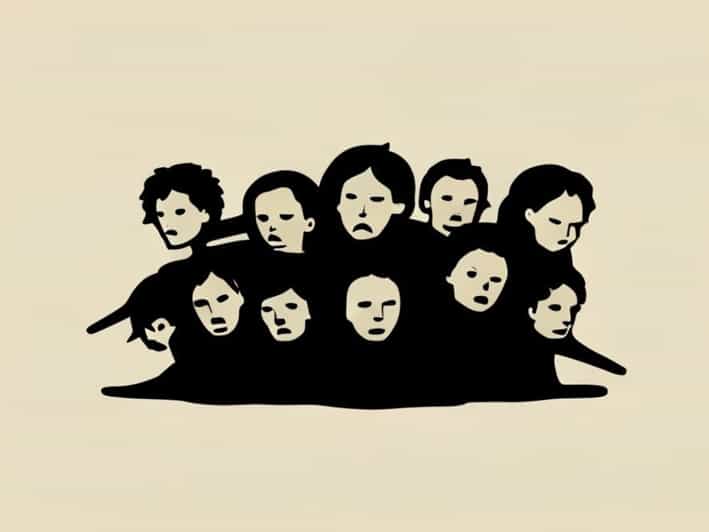
As the novel reaches its final moments, the emotional and symbolic weight of the story becomes especially intense. Chapter 12 ofLord of the Fliesbrings together fear, violence, and revelation in a way that leaves a lasting impression on readers. One striking word often discussed in relation to this chapter is ululate, a term connected to loud, wavering cries that reflect the boys’ complete descent into savagery. Understanding how this moment functions helps clarify the novel’s central themes and the transformation of its characters.
The Context of Chapter 12
Chapter 12 is the conclusion of William Golding’s novel and takes place after the death of Piggy and the destruction of the conch. By this point, Ralph is completely isolated. He is no longer just struggling for leadership but for survival itself. Jack and his tribe have fully embraced violence, hunting Ralph as if he were an animal.
This chapter represents the final collapse of order and civilization on the island. Any remaining structure has disappeared, and fear governs the boys’ actions.
What Ululate Means in This Chapter
The word ululate refers to a loud, howling, or wailing cry, often associated with rituals, celebrations, or expressions of intense emotion. In Chapter 12, the idea of ululation reflects the terrifying sounds made by Jack’s tribe as they hunt Ralph.
These cries are not just noise. They symbolize how far the boys have moved away from reason and humanity. The ululating sounds echo through the jungle, turning the island into a place of pure terror.
Sound as a Tool of Fear
The ululating cries serve a practical purpose as well. They are meant to frighten Ralph, weaken him mentally, and assert dominance. Sound becomes a weapon, replacing logic and communication.
This use of sound highlights how language, once used for discussion and cooperation, has been reduced to animalistic noise.
Ralph’s Isolation and Fear
In Chapter 12, Ralph is alone both physically and emotionally. The boys he once led now see him as prey. The ululation of the hunters reinforces his isolation and desperation.
Ralph’s fear is not just of death but of what the boys have become. The cries remind him that the group has lost all moral boundaries.
The Psychological Impact
The constant noise prevents Ralph from thinking clearly. It forces him to act on instinct rather than reason. This mirrors the broader theme of the novel, where rational thought is overwhelmed by primal fear.
The ululating cries blur the line between human and animal behavior.
Jack’s Complete Embrace of Savagery
Jack’s leadership in Chapter 12 is defined entirely by violence. The ululation of his tribe reflects his success in turning the boys into obedient hunters.
He no longer relies on persuasion or rules. Instead, he uses fear and excitement to control his followers.
Power Through Chaos
The wild cries strengthen the group’s unity through shared brutality. Ululation becomes a symbol of group identity, replacing the conch as a signal of authority.
This shift shows how easily order can be replaced by chaos when fear becomes the foundation of power.
The Destruction of the Island
One of the most dramatic moments in Chapter 12 is when Jack orders the island to be set on fire to flush Ralph out. The ululating cries accompany this act of destruction.
The fire represents the boys’ willingness to destroy their environment and themselves to achieve dominance.
Fire as a Symbol
Earlier in the novel, fire symbolized hope and rescue. In Chapter 12, it becomes a weapon. The ululating hunters celebrate destruction rather than survival.
This reversal reinforces the theme that civilization’s tools can become instruments of violence.
The Role of the Naval Officer
The sudden appearance of the naval officer interrupts the hunt and silences the ululation. His arrival marks the return of adult authority and external civilization.
The boys’ savage behavior is instantly contrasted with the expectations of the adult world.
Silence After Ululation
The abrupt end of the cries emphasizes how fragile the boys’ savage world really was. Without the freedom of isolation, their behavior becomes shameful rather than powerful.
This silence forces the boys, especially Ralph, to confront what has happened.
Ralph’s Emotional Breakdown
At the end of Chapter 12, Ralph breaks down and cries. His tears are not just for his own survival but for the loss of innocence and the darkness within humanity.
The contrast between ululation and Ralph’s quiet sobbing is significant. One represents chaos and cruelty, the other grief and understanding.
The End of Innocence
Ralph’s reaction shows that he recognizes the deeper meaning of the events. The ululating hunters were not just children playing; they were capable of real evil.
This realization is one of the novel’s most powerful messages.
Thematic Importance of Ululation
The use of ululation in Chapter 12 reinforces several major themes inLord of the Flies.
- The loss of civilization and order
- The power of fear and group mentality
- The thin line between human and animal behavior
- The corruption of language and communication
These themes come together in the final hunt, making the ending unforgettable.
Language and Imagery in the Final Chapter
Golding’s language in Chapter 12 is vivid and unsettling. Words like ululate are carefully chosen to create a sense of dread.
The imagery of sound, fire, and movement turns the island into a nightmare landscape, reflecting the boys’ internal collapse.
Why Word Choice Matters
Using a word like ululate instead of a simpler term emphasizes the ritualistic and primitive nature of the boys’ behavior.
It reminds readers that this is not ordinary shouting, but something deeply rooted in instinct and violence.
Why Chapter 12 Remains So Powerful
Chapter 12 ofLord of the Fliesis powerful because it refuses to offer a comfortable resolution. Although the boys are rescued, the damage is already done.
The memory of the ululating hunters lingers, reminding readers of how quickly society can collapse.
The significance of ululate inLord of the FliesChapter 12 goes far beyond a description of sound. It captures the boys’ complete transformation from civilized schoolchildren into savage hunters.
Through this word and the events surrounding it, the final chapter delivers a haunting message about human nature. The ululating cries echo the novel’s warning that without structure, empathy, and responsibility, chaos and cruelty can easily take over. This is why Chapter 12 remains one of the most discussed and impactful endings in modern literature.