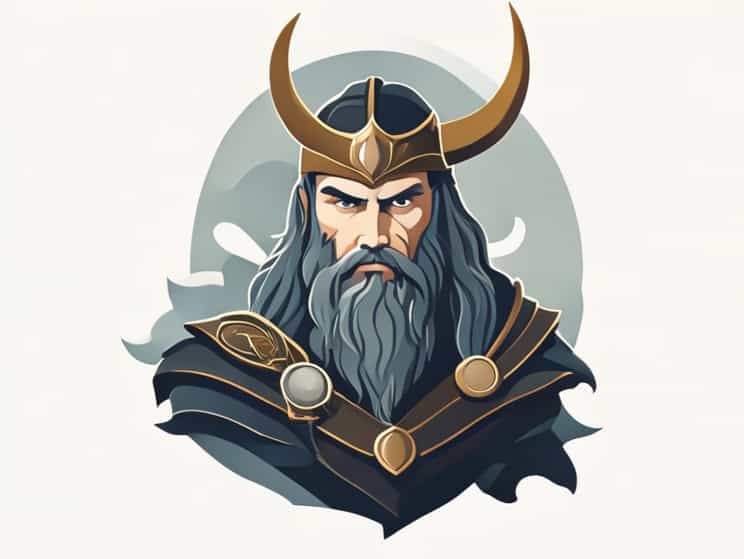
Magnus Chase and the Gods of Asgard is a fantasy novel series that brings Norse mythology into a modern setting filled with humor, adventure, and emotional depth. The story follows a homeless teenager who discovers that ancient gods, monsters, and prophecies are not just myths but part of his real identity. Through fast-paced storytelling and relatable characters, the series introduces readers to a world where Valhalla exists alongside modern cities, and where old legends still shape the fate of the present.
The Origin of Magnus Chase
Magnus Chase is a teenage boy living on the streets of Boston after the mysterious death of his mother. He survives by staying alert, trusting his instincts, and avoiding trouble. His life changes completely when he learns that he is the son of a Norse god and that his mother’s death is connected to powerful forces beyond the human world.
Unlike many traditional heroes, Magnus does not start as brave or confident. He is cautious, sarcastic, and shaped by hardship. This background makes him feel realistic and relatable, especially to readers who appreciate flawed protagonists. His journey begins not with a desire for glory, but with confusion and loss.
Entering the World of Norse Mythology
The Magnus Chase series introduces readers to Norse mythology in a way that feels fresh and accessible. Instead of presenting gods as distant or perfect beings, they are shown as powerful but flawed characters who interact directly with humans. The nine worlds of Norse myth are woven into the modern world, often hidden in plain sight.
As Magnus learns about Asgard, Midgard, and the other realms, readers are guided through ancient myths without feeling overwhelmed. The storytelling balances explanation with action, allowing mythology to unfold naturally as part of the plot.
Valhalla and Life After Death
One of the most unique elements of Magnus Chase and the Gods of Asgard is its portrayal of Valhalla. After dying in battle, Magnus wakes up in this legendary hall, where fallen warriors train every day for Ragnarok, the end of the world. Death, in this series, is not an ending but a strange new beginning.
Life in Valhalla is both epic and absurd. Warriors fight, die, and return daily, while also dealing with friendships, rivalries, and personal growth. This setting allows the story to explore themes of identity, purpose, and what it truly means to be a hero.
The Gods of Asgard
The Norse gods play a central role in the series, each portrayed with distinct personalities and modern twists. They are powerful beings, but they are not always wise or fair. This portrayal adds depth and complexity to the story.
-
Odinis the All-Father, obsessed with knowledge and prophecy, often distant and secretive.
-
Thorappears as a loud, energetic warrior with immense strength and a love for battle.
-
Lokiis the trickster god, charming, dangerous, and central to many conflicts.
-
Frey, Magnus’s father, is a god of summer and peace, shaping Magnus’s nonviolent approach.
These gods influence events but do not control everything, leaving room for human choice and responsibility.
Magnus Chase as a Different Kind of Hero
Magnus stands out because he does not fit the typical warrior mold. As the son of Frey, he is more inclined toward peace than combat. He often questions the idea that violence is the best solution, even in a world preparing for Ragnarok.
This approach challenges traditional fantasy tropes. Magnus relies on empathy, creativity, and teamwork rather than brute force. His internal struggles are just as important as the external battles he faces.
Friendship and Found Family
Throughout the series, Magnus builds a group of allies who become his chosen family. These characters come from diverse backgrounds and bring different strengths to the team. Their relationships are built on trust, shared experiences, and mutual respect.
The theme of found family is especially strong, reflecting Magnus’s own history of loss. The bonds he forms help him heal and grow, showing that heroism is not a solo journey.
Humor and Modern Voice
One of the defining features of Magnus Chase and the Gods of Asgard is its humor. The narration is filled with sarcasm, pop culture references, and self-aware commentary. This tone makes the heavy themes of death, destiny, and apocalypse easier to engage with.
The modern voice helps bridge the gap between ancient mythology and contemporary readers. It keeps the story lively and prevents it from becoming too dark or serious.
Ragnarok as a Central Threat
The looming threat of Ragnarok drives much of the plot. Unlike a single villain, Ragnarok represents an unavoidable cosmic event that tests the characters’ beliefs about fate and free will. Magnus and his friends struggle with the idea that the end may be predetermined.
This tension adds philosophical depth to the story. Characters must decide whether fighting a doomed battle still has meaning, and whether small acts of kindness can matter in the face of destruction.
Why the Series Appeals to Modern Readers
Magnus Chase and the Gods of Asgard resonates with readers because it combines action, mythology, and emotional honesty. It addresses themes like homelessness, identity, grief, and moral choice without losing its sense of adventure.
The series also introduces Norse mythology to a new generation, making ancient stories feel relevant and engaging. By blending myth with modern life, it creates a world that feels both magical and familiar.
The Lasting Impact of Magnus Chase
The Magnus Chase series leaves a lasting impression because it redefines what it means to be strong. Strength is shown not only through battle, but through compassion, loyalty, and the courage to question tradition.
By the end of the story, Magnus Chase is not just a hero of Asgard, but a symbol of choosing humanity in a world shaped by gods. His journey reminds readers that even in the face of fate, personal choices still matter.