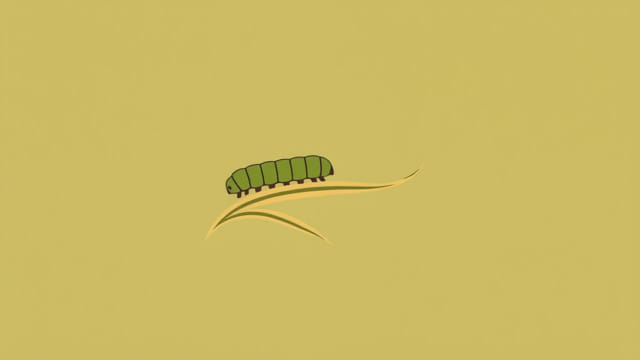
Across maize-growing regions, one of the most persistent threats to healthy crop yields is a destructive pest known for its boring habits the maize stem borer. This insect targets the central stalk of the maize plant, weakening its structure and reducing its ability to transport water and nutrients. For farmers, especially in tropical and subtropical areas, understanding this pest is crucial to managing infestations and protecting harvests. One of the first steps in effective pest control is identifying the species by its scientific name and studying its behavior, life cycle, and methods of control.
Scientific Name of the Maize Stem Borer
The maize stem borer is a general term used to describe several species of moth larvae that bore into maize stems. The most well-known and widely studied species include:
- Busseola fusca– Common in sub-Saharan Africa
- Chilo partellus– Prevalent in Asia and parts of Africa
- Sesamia calamistis– Found in many African regions
Each of these species belongs to the family Crambidae or Noctuidae within the order Lepidoptera. The most destructive of them isChilo partellus, which has spread to non-native regions and adapted to various environments, making it difficult to control in areas with warm climates.
Identification and Appearance
Larval Stage Characteristics
The larvae, or caterpillar stage, of maize stem borers are responsible for the most damage to the plant. Depending on the species, the larvae may appear white, pink, or pale yellow with dark heads and small bristles along the body. Full-grown larvae typically measure between 20-30 mm in length.
Adult Moth Description
The adult stage of the maize stem borer is a moth, usually brown or gray, with a wingspan ranging from 20-30 mm. Though adult moths do not cause direct damage to crops, they lay eggs on the underside of maize leaves, leading to the next generation of destructive larvae.
Life Cycle and Reproduction
Egg Stage
Female moths lay clusters of tiny, round eggs on maize leaves, usually close to the midrib. One female can lay hundreds of eggs during her short lifespan. Eggs hatch within a few days, depending on temperature and environmental conditions.
Larval Development
After hatching, larvae feed on leaf tissue before boring into the stem of the maize plant. Inside the stem, they continue feeding and tunneling, causing structural damage and blocking the flow of nutrients. The larval stage can last two to three weeks, depending on the species and climate.
Pupal Stage
Once mature, the larvae pupate within the maize stem or in the soil. This stage lasts about one to two weeks. The adult moth emerges and begins the cycle again, often overlapping generations in warmer climates.
Impact on Maize Production
Physical Damage
The larvae’s feeding causes visible damage such as:
- Dead heart – when the central shoot dies due to tunneling
- Stalk breakage – due to internal feeding that weakens the stem
- Reduced grain filling – as the plant becomes less efficient in nutrient transport
In severe infestations, yield losses can reach up to 80%, particularly when plants are attacked during early growth stages.
Economic Significance
In regions where maize is a staple crop, maize stem borers can threaten food security and farmer income. The cost of pest management, combined with crop losses, creates a significant burden for smallholder farmers who may lack access to modern pest control tools.
Monitoring and Early Detection
Field Scouting
Regular monitoring helps detect early signs of infestation. Farmers should look for:
- Egg masses on the underside of leaves
- Frass (insect waste) around the leaf whorls
- Small holes or galleries in stems and leaves
- Dead central shoots (dead heart symptom)
Spotting symptoms early allows for timely intervention before the larvae move into the stem, where control becomes more difficult.
Integrated Pest Management (IPM)
Cultural Controls
These non-chemical strategies can reduce the risk of maize stem borer infestation:
- Early planting to avoid peak moth activity
- Crop rotation with non-host crops like legumes
- Removal and destruction of crop residues after harvest
- Intercropping with desmodium or other repellent plants
Biological Control
Natural enemies of maize stem borers include:
- Parasitic wasps such asCotesia flavipes
- Predatory ants and beetles
- Entomopathogenic fungi that infect larvae
Releasing or conserving these natural enemies helps maintain a balanced ecosystem and suppresses borer populations without chemicals.
Chemical Control
In severe cases, insecticides may be used, but with caution. Selective pesticides should be applied at the early larval stage, before the borers enter the stem. Overuse of chemicals can lead to resistance and harm beneficial insects, so chemical control should be integrated with other methods.
Use of Resistant Varieties
Some maize varieties have been bred for resistance to stem borers. These include genetically improved types with structural traits such as thicker stalks and higher lignin content, which deter larval feeding. In some regions, Bt maize (genetically modified to produce toxins against stem borers) has been adopted, although its use may be restricted by policy or consumer preference.
Climate and Geographic Distribution
Maize stem borers are highly adaptable and can be found across Africa, Asia, and parts of Latin America. Their population levels and species composition may vary by altitude, climate, and cropping system. Warmer temperatures often support faster development and multiple generations per year, leading to continuous pressure on maize crops.
Research and Future Strategies
Advances in Monitoring
Modern research is exploring the use of pheromone traps and remote sensing technologies to track pest populations more efficiently. These tools can help predict outbreaks and support timely, targeted interventions.
Biotechnological Approaches
Scientists are developing new biopesticides and exploring RNA interference (RNAi) techniques that disrupt essential genes in the pest without affecting other organisms. These methods offer promise for safer, more sustainable pest control in the future.
Understanding the maize stem borer and its scientific identity, such asChilo partellus,Busseola fusca, andSesamia calamistis, is essential for effective pest management. These pests pose a serious challenge to maize production, but with integrated strategies involving monitoring, cultural practices, biological agents, and resistant varieties, farmers can protect their crops and livelihoods. Continued education, research, and cooperation across agricultural sectors will be vital in addressing this persistent threat to global maize production.