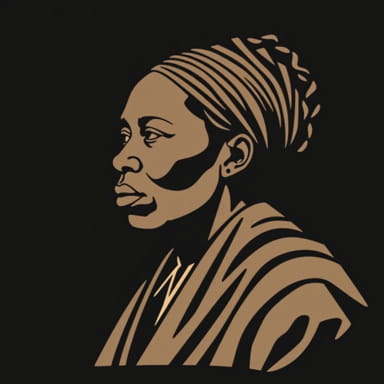
Harriet Tubman stands as one of the most iconic figures in American history, remembered not only for her courage and resilience but for the extraordinary accomplishments she achieved in the face of tremendous adversity. Born into slavery in the early 1820s, Tubman escaped bondage and went on to become a conductor of the Underground Railroad, a Union spy, a Civil War nurse, and an advocate for women’s suffrage. Her life’s work was grounded in the pursuit of freedom and justice for all, especially for enslaved people and oppressed communities.
Escape from Slavery
Breaking Free in 1849
One of Harriet Tubman’s most defining moments was her own daring escape from slavery in 1849. After years of enduring abuse and backbreaking labor, she decided to flee from her enslavers in Maryland. Traveling alone and under the cover of night, she navigated by the North Star and reached Pennsylvania, a free state. Her journey was not only a personal liberation but the beginning of her greater mission to help others achieve freedom.
Conductor of the Underground Railroad
Guiding Dozens to Freedom
Following her own escape, Harriet Tubman became one of the most successful and fearless conductors on the Underground Railroad a secret network of safe houses and allies who helped enslaved people escape to free states and Canada. Over a decade, Tubman made at least 13 missions back to the South, guiding around 70 enslaved individuals to freedom, including members of her own family.
- She never lost a single passenger during her missions.
- Used disguises and elaborate signals to avoid detection.
- Traveled mostly by night to stay hidden from slave catchers.
Risking Her Life Repeatedly
Tubman’s work was fraught with danger. Bounties were placed on her head, and capture could have meant death or re-enslavement. Nevertheless, she showed unwavering courage, saying, I never ran my train off the track and I never lost a passenger. Her bravery and leadership made her a symbol of resistance and freedom.
Civil War Contributions
Scout, Spy, and Nurse for the Union
During the American Civil War, Harriet Tubman served the Union Army in several capacities. She began as a nurse and cook for wounded Black soldiers and refugees. Later, she became a scout and spy, providing valuable intelligence to Union commanders.
Leading the Combahee River Raid
One of Tubman’s most notable wartime achievements was her role in the Combahee River Raid in South Carolina in 1863. She worked with Colonel James Montgomery to lead an armed expedition that resulted in the liberation of over 700 enslaved people. Tubman became the first woman in American history to lead a military operation, and her efforts disrupted Confederate supply lines and morale.
Post-War Humanitarian Work
Care for the Elderly and Poor
After the Civil War, Harriet Tubman settled in Auburn, New York, where she continued her humanitarian work. She opened her home to those in need, including the elderly and formerly enslaved people. She founded the Harriet Tubman Home for the Aged in 1908, which provided shelter and care for elderly African Americans who had nowhere else to turn.
Advocate for Civil Rights
Tubman continued to advocate for equal rights and justice long after the war. Her actions laid the groundwork for the future civil rights movement. Though she struggled financially, she remained committed to uplifting her community through action and compassion.
Women’s Suffrage Advocacy
Fighting for Women’s Rights
Later in her life, Harriet Tubman became actively involved in the women’s suffrage movement. She collaborated with prominent activists like Susan B. Anthony and Emily Howland. She gave speeches about her experiences and argued that women deserved the right to vote, using her life story as evidence of women’s strength and capability.
Although she did not live to see women gain the right to vote in 1920, her participation in the movement helped inspire and strengthen the call for gender equality.
Recognition and Legacy
Honors and Memorials
Though Harriet Tubman died in 1913, her legacy continues to be honored through numerous memorials, books, films, and educational programs. She has been commemorated on stamps, schools have been named after her, and plans were announced to place her image on the U.S. twenty-dollar bill as a tribute to her lasting impact.
- The Harriet Tubman Underground Railroad National Historical Park was established in Maryland.
- Her Auburn home is a designated historical landmark.
- Numerous statues and public murals honor her throughout the United States.
Influence on Modern Social Justice Movements
Tubman’s life continues to inspire activists fighting for racial justice, gender equality, and civil rights. Her story is frequently cited in discussions about the power of individual action in the face of systemic oppression. She remains a symbol of what can be accomplished with courage, resilience, and a commitment to justice.
The major accomplishments of Harriet Tubman are a powerful reminder of the potential of one person to change the course of history. From her escape from slavery and heroic work with the Underground Railroad to her contributions during the Civil War and her advocacy for the elderly and women’s suffrage, Tubman dedicated her life to serving others and challenging injustice. Her legacy is not only recorded in history books but lives on in the ongoing fight for freedom and human dignity. Harriet Tubman was, and continues to be, a guiding light for all who believe in liberty and equality.