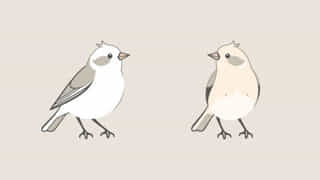
The chaffinch, one of the most widespread and recognizable songbirds in Europe, is well-known for its vibrant plumage and melodic song. Observing male and female chaffinches reveals fascinating differences in their appearance and behavior. These birds, which belong to the finch family, are often spotted in gardens, parks, and woodlands. Understanding the characteristics that distinguish male and female chaffinches helps birdwatchers identify them more easily and appreciate the diversity within the species. Whether you’re new to birdwatching or an experienced naturalist, the distinction between male and female chaffinches offers valuable insight into bird biology and mating behavior.
Physical Differences Between Male and Female Chaffinches
One of the most striking differences between male and female chaffinches lies in their appearance. This sexual dimorphism is especially evident during the breeding season, when males display their brightest colors to attract a mate.
Male Chaffinch Appearance
- Head and Nape: A rich blue-grey, giving the male a bold and colorful look.
- Face and Breast: A deep reddish-pink tone that stands out, especially in sunlight.
- Wings: Black with distinct white wing bars and green edging, adding contrast and elegance.
- Back: Olive-brown or greenish-brown, blending well into forested environments.
Female Chaffinch Appearance
- Overall Color: More subdued with soft brown and grey tones.
- Head: A dull grey-brown, lacking the striking blue hues of the male.
- Breast and Belly: A pale brown or buff color, blending in with natural surroundings.
- Wings: Similar to males but less vivid, with noticeable but fainter white wing bars.
This difference in coloring serves important functions in their natural habitat. While males use their bright plumage to attract females and signal territory, females benefit from more camouflaged tones to stay hidden while nesting.
Vocalization and Song Behavior
Chaffinches are among the most vocal of small birds. Males, in particular, are known for their clear, trilling songs, especially during spring and early summer. Their song plays a vital role in communication and territory defense.
Male Vocal Traits
- Sing frequently during the breeding season to attract females.
- Use song to mark and defend territory from other males.
- Each male has a slightly different version of the song, shaped by local dialects.
Female Vocal Traits
- Rarely sing, but may produce short calls or chirps.
- Use calls mainly for communication with their mate or chicks.
The male chaffinch’s song is often used in bird identification and is considered one of the most beautiful among garden birds. It’s also one of the first bird songs that beginner birders learn to recognize.
Breeding Roles and Nesting
The reproductive roles of male and female chaffinches are quite distinct. While both contribute to the success of the brood, each has specific tasks that reflect their biological strengths and instincts.
Male Responsibilities
- Establish and defend a territory with strong vocal presence.
- Perform courtship displays, including singing and fluttering flight.
- Mate with one or sometimes multiple females in a breeding season.
Female Responsibilities
- Choose a mate based on song quality and territory conditions.
- Construct the nest, typically in trees or shrubs using moss, grass, feathers, and spider webs.
- Lay and incubate 4-6 eggs for about 11-14 days.
- Care for and feed the chicks with the male assisting once they hatch.
This clear division of labor ensures higher reproductive success and enhances the survival chances of the chicks. Female chaffinches are known for their skill in nest construction and ability to blend into the environment to protect their young.
Feeding Habits and Foraging Behavior
Male and female chaffinches often share the same diet, consisting of seeds, insects, and small invertebrates. However, there may be slight differences in behavior based on their roles and the breeding cycle.
Shared Diet Components
- Seeds from plants, especially beech, dandelion, and grass.
- Insects such as caterpillars, beetles, and spiders especially during nesting season.
- Berries and small fruits when available.
Behavioral Differences
- Males may feed in more exposed areas while guarding the territory.
- Females typically forage closer to the nest site or in denser vegetation for safety.
During the breeding season, the diet shifts to a more protein-rich intake to support chick development. Both parents feed the chicks, though the female may do so more frequently in the early days after hatching.
Seasonal and Mating Behavior
Chaffinches follow seasonal patterns, with changes in appearance and behavior centered around the breeding period. The differences between males and females become most pronounced in spring and early summer.
Breeding Season Dynamics
- Males become more territorial and visible, singing from perches to deter rivals and attract mates.
- Females quietly observe potential mates and evaluate their song and territory quality.
- Once paired, the birds cooperate in raising their offspring until they fledge.
Molting and Wintering
- Both males and females molt after the breeding season, leading to a duller appearance.
- In colder climates, some chaffinches migrate south, while others remain if food is abundant.
- Outside of breeding season, they often form mixed-sex flocks and forage together.
The seasonal behaviors of male and female chaffinches reflect their adaptability and social structure, contributing to their widespread success in a variety of habitats.
Observing Chaffinches in the Wild
Spotting and identifying male and female chaffinches can be a rewarding experience for bird lovers. Their contrasting colors, behaviors, and songs make them easier to distinguish than many other small birds.
Best Tips for Observation
- Look in woodlands, hedgerows, and gardens, especially in early spring.
- Listen for the male’s song, especially at dawn and dusk.
- Use binoculars to observe subtle differences in plumage between males and females.
Patience and a quiet presence often yield the best chance to witness courtship rituals, feeding, and parental care behaviors in the chaffinch world.
A Charming Duo in Nature
The male and female chaffinch, with their distinct appearances and roles, highlight the complexity and beauty of bird life. From the male’s vivid plumage and melodic song to the female’s nurturing instincts and skilled nest building, both play essential roles in the survival of the species. Observing and understanding their differences not only enriches the birdwatching experience but also sheds light on the intricate balance of nature. As one of Europe’s most beloved garden birds, the chaffinch continues to captivate those who pause to listen and watch.