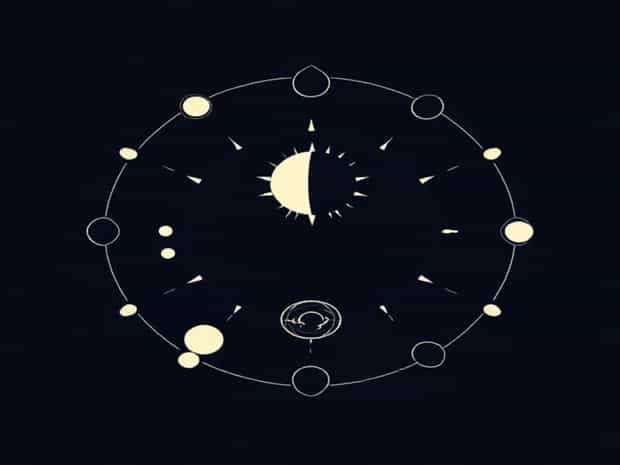
Throughout human history, celestial bodies have inspired fascination, reverence, and interpretation across different cultures. In India, with its deep traditions in language, philosophy, and spirituality, the meaning of celestial bodies in Hindi carries profound cultural and symbolic value. The words used to describe the Sun, Moon, stars, and planets are not merely translations; they embody centuries of belief, mythology, and science woven into the fabric of everyday life. By exploring how celestial objects are expressed in Hindi, we gain insight into a worldview where astronomy, astrology, and spiritual symbolism intersect seamlessly.
Understanding Celestial Bodies in Hindi
The term celestial bodies generally refers to natural objects beyond Earth’s atmosphere, including stars, planets, moons, asteroids, and comets. In Hindi, these bodies are described using words rooted in Sanskrit, a language that has historically shaped much of India’s intellectual and spiritual heritage. Each word conveys not only a literal meaning but also philosophical and cultural undertones that connect the physical universe to human life.
For example, the Sun in Hindi is called Surya (सà¥à¤°à¥à¤¯), a word that represents both the astronomical object and a powerful deity in Hindu tradition. Similarly, the Moon is Chandra (à¤à¤¨à¥à¤¦à¥à¤°), revered not just as a satellite of Earth but as a symbol of beauty, calmness, and time cycles. These meanings reveal how language in Hindi bridges the gap between scientific observation and spiritual interpretation.
The Sun Surya
Surya (सà¥à¤°à¥à¤¯) is perhaps the most significant celestial body in Hindi tradition. Beyond being the source of light and energy, Surya is worshipped as a deity in Hinduism. Daily rituals, such as Surya Namaskar (sun salutations), show the connection between physical well-being and cosmic reverence. In astrology, Surya represents authority, vitality, and leadership.
The meaning of the Sun in Hindi culture also extends into literature and poetry. The Sun often symbolizes clarity, truth, and the dispeller of darkness, making it not just a celestial object but a guiding force in life and philosophy.
The Moon Chandra
Chandra (à¤à¤¨à¥à¤¦à¥à¤°) is another central figure in Hindi interpretation of celestial bodies. In mythology, Chandra is depicted as a shining deity who rides a chariot across the sky. Scientifically, the Moon governs tides and has influenced the measurement of time through lunar calendars. In Hindi tradition, Chandra represents calmness, beauty, fertility, and emotional balance.
Festivals such as Karva Chauth, where women observe the Moon to complete their rituals, demonstrate the cultural importance of Chandra. In astrology, Chandra signifies the mind and emotions, making it a vital influence in an individual’s horoscope.
The Stars Tara
In Hindi, stars are called Tara (तारा). The term is not only a general word for stars but also holds spiritual resonance. Tara is sometimes personified as a goddess, symbolizing guidance and light in darkness. Stars in Hindi literature often stand for eternal hope, distant beauty, and a reminder of the vast universe beyond human reach.
Stars are also integral to Indian astrology, where constellations, or Nakshatras, determine astrological calculations. The placement of stars at the time of birth influences predictions and interpretations of destiny in Vedic astrology.
Planets in Hindi Graha
Planets are called Graha (ठà¥à¤°à¤¹) in Hindi, a term that means seizer or influencer. This reflects the belief that planets exert influence over human life and destiny. In Indian astrology, nine celestial bodies, collectively known as the Navagraha, play a central role in shaping events and personalities.
The Nine Navagraha
- Surya (सà¥à¤°à¥à¤¯)The Sun, representing authority and vitality.
- Chandra (à¤à¤¨à¥à¤¦à¥à¤°)The Moon, associated with emotions and mind.
- Mangal (मà¤à¤ ल)Mars, symbolizing energy, courage, and conflict.
- Buddh (बà¥à¤§)Mercury, linked to intellect and communication.
- Brihaspati (बà¥à¤¹à¤¸à¥à¤ªà¤¤à¤¿)Jupiter, embodying wisdom and spirituality.
- Shukra (शà¥à¤à¥à¤°)Venus, connected with love, beauty, and material comfort.
- Shani (शनि)Saturn, signifying discipline, challenges, and justice.
- Rahu (राहà¥)A shadow planet, symbolizing desire and illusion.
- Ketu (à¤à¥à¤¤à¥)Another shadow planet, representing detachment and spirituality.
These celestial influences are central to horoscopes and rituals, showing how deeply planetary meaning in Hindi culture shapes daily decisions and spiritual practices.
Comets and Meteors
Comets in Hindi are often called Dhoomketu (धà¥à¤®à¤à¥à¤¤à¥), which translates to smoke banner. This poetic description captures the tail-like feature of comets streaking across the night sky. Historically, comets were seen as omens, both auspicious and inauspicious, depending on their appearance and timing.
Meteors, on the other hand, are referred to as Ulka (à¤à¤²à¥à¤à¤¾). The sight of a shooting star is sometimes taken as a symbol of wishes or sudden change. In literature, the falling star can symbolize fleeting beauty or impermanence, resonating with broader philosophical themes in Indian thought.
Cultural and Religious Symbolism
The meaning of celestial bodies in Hindi is not limited to scientific or astrological significance. It permeates cultural life, festivals, and daily rituals. The alignment of planets determines the timing of important ceremonies, while lunar cycles dictate the dates of Hindu festivals such as Diwali and Holi. The Sun and Moon form the basis of many prayers and hymns, reinforcing the bond between cosmic forces and human existence.
Religious texts like the Rigveda and Puranas describe celestial bodies as divine entities. For example, Surya is praised in hymns as the giver of life, while Chandra is depicted as a gentle and nurturing presence. This blending of astronomy and spirituality shows how Hindi language and culture view celestial objects as living symbols rather than distant, lifeless matter.
Celestial Bodies in Modern Hindi Usage
In modern times, while science emphasizes the physical and chemical nature of celestial objects, the Hindi language continues to carry its traditional layers of meaning. In schools, students learn terms like Graha, Surya, and Chandra both in scientific and cultural contexts. Television, literature, and cinema often use celestial imagery to convey emotions and themes, keeping the poetic essence alive even in contemporary society.
For example, the phrase Chand sa roshan chehra (a face as radiant as the Moon) is common in Hindi poetry and songs, highlighting how celestial metaphors remain part of everyday language. The resilience of these terms demonstrates how deeply ingrained celestial symbolism is in Hindi thought.
The meaning of celestial bodies in Hindi reflects a unique blend of science, spirituality, and culture. Words like Surya, Chandra, and Tara are not just translations but carriers of centuries-old traditions that link the human experience with the cosmos. From astrology and mythology to literature and daily rituals, celestial bodies play a vital role in shaping the worldview expressed through Hindi. Understanding these meanings reveals not only the richness of the language but also the enduring relationship between people and the universe. Whether viewed scientifically through telescopes or spiritually through prayers, celestial bodies continue to inspire awe and guide life in profound ways across India.