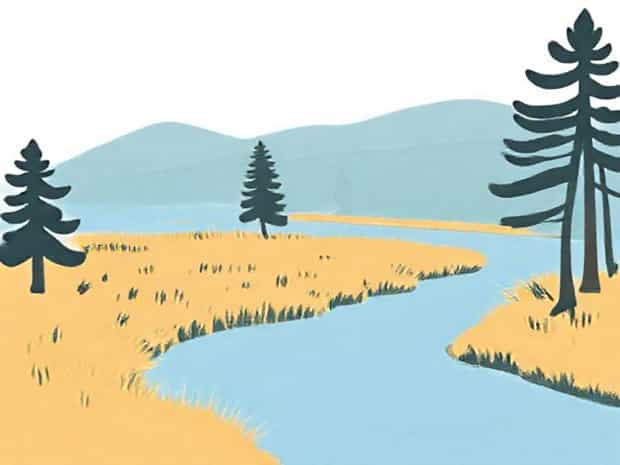
Riparian land refers to the area of land that borders rivers, streams, lakes, or other bodies of water. These lands are essential components of natural ecosystems because they provide a transition zone between aquatic and terrestrial environments. Riparian areas support diverse plant and animal species, help stabilize soil, filter pollutants, and maintain water quality. Understanding the meaning of riparian land is important not only for environmental conservation but also for land management, agriculture, and urban planning, as these areas are critical for maintaining ecosystem health and preventing environmental degradation.
Definition and Characteristics of Riparian Land
Riparian land is the strip of land adjacent to rivers, streams, or other water bodies that is directly influenced by the presence of water. These areas often experience periodic flooding, which affects the types of vegetation and soil present. Common characteristics of riparian land include fertile soil, high biodiversity, and a mixture of terrestrial and aquatic plant species. Vegetation in riparian zones often consists of trees, shrubs, and grasses that are adapted to wet conditions and can tolerate occasional submersion.
Key Features of Riparian Land
- Proximity to WaterRiparian land exists directly along water bodies and is shaped by hydrological processes such as flooding and erosion.
- VegetationPlant life in riparian areas is typically dense and varied, providing habitat for many wildlife species.
- Soil and NutrientsThe soil in riparian zones is usually rich in nutrients due to sediment deposition from floods.
- Hydrological InfluenceWater levels, flow rates, and seasonal changes significantly impact the ecological characteristics of riparian land.
Ecological Importance of Riparian Land
Riparian land plays a critical role in maintaining the health of both aquatic and terrestrial ecosystems. It serves as a natural buffer that protects water bodies from pollution and sedimentation, helps prevent erosion, and provides habitat for a wide range of wildlife. Birds, fish, amphibians, and mammals all rely on riparian areas for food, shelter, and breeding grounds. The presence of healthy riparian vegetation can also reduce the impact of floods by slowing down water flow and allowing it to infiltrate the soil.
Wildlife and Biodiversity
Riparian zones are often hotspots of biodiversity. The combination of water, vegetation, and nutrients creates ideal conditions for a wide range of species. Common wildlife found in riparian areas includes
- Fish species that rely on clean water and shaded areas for breeding and feeding.
- Birds such as herons, kingfishers, and waterfowl that depend on aquatic habitats.
- Mammals like beavers and otters that interact with both water and land environments.
- Amphibians and reptiles that thrive in moist conditions provided by the riparian zone.
Riparian Land and Water Quality
Riparian land is vital for maintaining water quality in rivers and streams. Vegetation in these areas acts as a natural filter, trapping sediments, nutrients, and pollutants before they reach the water. This filtration process helps reduce the concentration of harmful substances such as fertilizers, pesticides, and industrial runoff. Additionally, riparian vegetation provides shade, which regulates water temperature and benefits aquatic species that require cooler waters for survival.
Soil Stabilization and Erosion Control
Riparian areas are essential for stabilizing soil along water bodies. The root systems of plants help anchor soil, preventing erosion caused by water flow and flooding. Without riparian vegetation, banks can become unstable, leading to increased sediment in the water and the loss of land. This sedimentation can negatively affect water quality, aquatic habitats, and downstream ecosystems.
Human Uses and Management of Riparian Land
Humans have long relied on riparian land for agriculture, recreation, and urban development. Due to their fertility and access to water, these areas are often used for crop cultivation and livestock grazing. However, overuse or mismanagement can lead to degradation of riparian ecosystems. Sustainable management practices are essential to balance human needs with environmental protection.
Sustainable Management Practices
- Maintaining buffer zones of native vegetation along water bodies.
- Restricting development in sensitive riparian areas to prevent habitat loss.
- Implementing erosion control measures such as planting deep-rooted plants and stabilizing riverbanks.
- Monitoring water quality and controlling pollution sources from agriculture and urban areas.
- Restoring degraded riparian zones through reforestation and wetland reconstruction.
Legal and Environmental Considerations
Many countries recognize the importance of riparian land and have established laws to protect these areas. Riparian rights refer to the legal entitlements of landowners whose property borders water bodies, including the right to access water and use it responsibly. Environmental regulations often require the preservation of riparian zones to maintain ecosystem services, protect biodiversity, and reduce flood risks. These laws ensure that riparian land continues to serve its ecological functions while supporting sustainable development.
Climate Change and Riparian Land
Climate change poses challenges to riparian land, including altered precipitation patterns, increased flooding, and droughts. These changes can affect the vegetation, soil stability, and water quality of riparian zones. Effective management strategies must consider the impacts of climate change, incorporating adaptive measures such as restoring native vegetation, improving water retention, and enhancing ecosystem resilience.
The meaning of riparian land extends beyond its definition as land bordering water bodies; it represents a vital component of ecological balance, water management, and biodiversity conservation. These areas provide critical services, including habitat for wildlife, water filtration, soil stabilization, and flood mitigation. Protecting and managing riparian land sustainably is essential for maintaining healthy ecosystems and ensuring that these areas continue to benefit both nature and humans. Awareness, education, and effective policy implementation are key to preserving riparian zones for future generations.