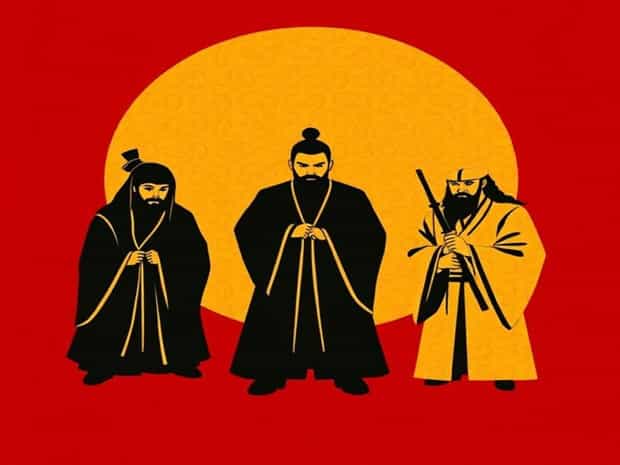
Wu-Tang Clan is one of the most influential and iconic hip-hop groups in the history of music. Formed in Staten Island, New York, in the early 1990s, the group redefined the rap genre with its unique style, lyrical complexity, and raw storytelling. Known for their gritty sound, martial arts-inspired imagery, and strong individual personas, the members of Wu-Tang Clan have each left an indelible mark on music and culture. Understanding the members and their contributions provides insight into why Wu-Tang Clan continues to be celebrated decades after their debut.
Origins of Wu-Tang Clan
Wu-Tang Clan emerged from the streets of Staten Island during a time when hip-hop was evolving rapidly. The group’s members were inspired by both the struggles of urban life and the discipline of martial arts films. By blending these influences, Wu-Tang Clan developed a sound that was gritty, authentic, and revolutionary. Their debut album, Enter the Wu-Tang (36 Chambers),” released in 1993, became an instant classic, shaping the future of hip-hop and introducing the world to the individual talents of its members.
Core Members of Wu-Tang Clan
The original Wu-Tang Clan consists of nine primary members, each with their own distinct style, voice, and persona. They include
- RZA (Robert Diggs)Often considered the mastermind behind Wu-Tang, RZA is a producer, rapper, and composer. His production style defined the Wu-Tang sound, incorporating samples from soul records, martial arts movies, and obscure tracks to create a gritty, raw atmosphere.
- GZA (Gary Grice)Also known as “The Genius,” GZA is known for his complex lyricism and intricate wordplay. He has been praised for his storytelling abilities and his contribution to the group’s intellectual depth.
- Ol’ Dirty Bastard (Russell Jones)Famous for his wild, unpredictable behavior and unique vocal delivery, Ol’ Dirty Bastard brought an unfiltered, chaotic energy to Wu-Tang. He passed away in 2004 but remains a legendary figure in hip-hop culture.
- Method Man (Clifford Smith)Known for his smooth flow and charismatic presence, Method Man quickly became one of the most commercially successful members. He also achieved fame through acting and collaborations outside the group.
- Raekwon (Corey Woods)Also called “The Chef,” Raekwon is celebrated for his storytelling and vivid lyrical imagery. His solo album, “Only Built 4 Cuban Linx ,” is considered a hip-hop classic.
- Ghostface Killah (Dennis Coles)Renowned for his emotionally charged lyrics and cinematic storytelling, Ghostface Killah has maintained a prolific solo career, producing multiple acclaimed albums.
- Inspectah Deck (Jason Hunter)Known for his sharp, precise verses, Inspectah Deck has contributed some of the group’s most memorable lines. He is respected for his consistency and lyrical skill.
- U-God (Lamont Hawkins)U-God brings a deep, commanding voice to the group’s dynamic. His contributions often add gravitas to Wu-Tang tracks.
- Masta Killa (Elgin Turner)The last member to be officially recognized, Masta Killa is known for his calm, deliberate style and thoughtful lyrics. Despite being less commercially prominent, he is highly respected among fans and peers.
Affiliates and Extended Family
In addition to the nine core members, Wu-Tang Clan has an extensive network of affiliates, often referred to as the “Wu-Tang Killa Bees.” These include artists, producers, and collaborators who have worked closely with the group, expanding their influence and helping to build a vast musical empire.
- Examples include Cappadonna, Killah Priest, Sunz of Man, and Shyheim.
- These affiliates contribute to solo projects, group collaborations, and production work, helping to maintain the Wu-Tang legacy.
Individual Contributions and Solo Careers
Each Wu-Tang member has pursued a solo career, showcasing their unique talents and furthering the group’s cultural impact. Their solo projects often maintain the gritty, raw aesthetic of Wu-Tang while allowing members to explore personal themes and styles.
Notable Solo Projects
- GZA“Liquid Swords” is considered one of the greatest hip-hop albums of all time, celebrated for its storytelling and lyrical precision.
- Raekwon“Only Built 4 Cuban Linx ” revolutionized narrative-driven rap albums and influenced a generation of artists.
- Ghostface KillahAlbums like “Ironman” and “Supreme Clientele” highlight his vivid imagery and emotional storytelling.
- Method Man“Tical” established him as a solo star, blending commercial appeal with street credibility.
Collaborations and Cultural Impact
Beyond solo albums, Wu-Tang members frequently collaborate with each other and with other artists. Their influence extends beyond music, impacting fashion, film, and pop culture. The iconic Wu-Tang logo, inspired by martial arts imagery, has become a symbol recognized worldwide. Members have also ventured into acting, entrepreneurship, and media, further cementing their status as cultural icons.
Legacy and Influence
Wu-Tang Clan’s members collectively and individually have left a lasting legacy. They redefined what it meant to be a hip-hop group, combining lyrical complexity, innovative production, and a strong collective identity. Their music has inspired countless artists across genres, and their business model retaining individual rights while promoting the group brand has influenced how hip-hop artists approach career management.
Impact on Hip-Hop and Music Industry
- Introduction of multiple solo careers under a single group umbrella.
- Integration of martial arts culture and street narratives into mainstream hip-hop.
- Creation of a collaborative network of artists, known as affiliates, expanding creative and commercial reach.
The members of Wu-Tang Clan are not only talented rappers but cultural pioneers who have transformed hip-hop into a global phenomenon. From RZA’s innovative production to Ghostface Killah’s cinematic storytelling and Method Man’s charismatic performances, each member brings something unique to the collective. Their individual projects, collaborations, and enduring influence highlight the power of unity and creativity in shaping music history. Understanding the members of Wu-Tang Clan offers insight into why their legacy continues to thrive, inspiring new generations of artists and fans around the world.