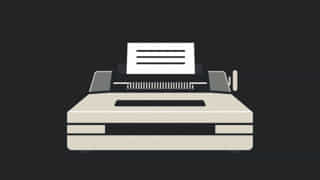
The word mimeograph might not be part of our everyday vocabulary anymore, but it once played a central role in communication, especially in schools, offices, and small organizations. Using ‘mimeograph in a sentence’ may seem like a challenge today due to its vintage nature, but understanding how this term functioned in language and technology helps us appreciate its impact. In this topic, we’ll explore the meaning of mimeograph, how to use it in a sentence, and why it still matters from a linguistic and historical standpoint.
Understanding the Meaning of Mimeograph
Before using the word mimeograph in a sentence, it’s important to clarify its definition. A mimeograph is an old-fashioned duplicating machine that created copies using ink and a stencil. It was widely used before the invention of modern photocopiers. The term can be used both as a noun and a verb:
- As a noun: ‘The teacher used a mimeograph to make copies of the worksheet.’
- As a verb: ‘He mimeographed the flyers before handing them out.’
Understanding this dual use helps in constructing grammatically correct and meaningful sentences involving the word.
Examples of Mimeograph in a Sentence
Mimeograph as a Noun
When mimeograph is used as a noun, it refers to the machine itself or the resulting copies. Here are some examples:
- The school still kept an old mimeograph in the supply closet.
- The newsletter was printed using a mimeograph and distributed to parents.
- She found an old mimeograph document among her father’s teaching materials.
These examples help demonstrate how the word can refer to tangible objects or outcomes associated with duplication.
Mimeograph as a Verb
Used as a verb, mimeograph describes the action of producing copies. Here are some example sentences:
- He mimeographed the notices and posted them on the community board.
- The secretary mimeographed the exam sheets for the entire class.
- Back in the 1960s, activists mimeographed pamphlets to spread awareness.
In these cases, mimeograph is used in past tense to reflect actions taken before digital printing became mainstream.
Common Contexts for Using Mimeograph
When using mimeograph in a sentence, it’s helpful to understand the typical settings in which the term would naturally appear. While largely historical, these contexts are valuable in education, writing, and discussions about technology:
- Educational Settings: Many teachers used mimeographs before copiers were introduced.
- Grassroots Movements: Activists and small groups used mimeographs for creating posters and fliers.
- Historical Descriptions: In literature or memoirs, mimeographs are often mentioned to evoke a past era.
These scenarios provide ideal backdrops for using the word correctly and effectively.
Synonyms and Related Terms
When looking to vary your vocabulary or better understand the word mimeograph, consider its synonyms or related tools:
- Duplicator: A more general term for machines that produce copies.
- Stencil machine: Describes the method mimeographs use to reproduce text.
- Copy machine: Modern-day replacement for mimeographs.
While these terms are not always interchangeable, they help frame mimeograph within the broader context of printing and duplicating.
Grammatical Tips for Using Mimeograph
To use mimeograph properly in writing or speaking, remember these quick grammar tips:
- As anoun, it is countable. You can say a mimeograph or the mimeograph.
- As averb, it follows regular verb conjugation: mimeograph, mimeographed, mimeographing.
- Use appropriate tense depending on the context, especially since mimeographs are mostly historical tools.
By applying these rules, you ensure grammatical accuracy and clearer communication when inserting ‘mimeograph’ into your writing.
Historical Significance of the Mimeograph
Including the word mimeograph in a sentence isn’t just about grammar it’s also about preserving history. This device was vital in spreading information in the 20th century, particularly in places with limited access to modern printing tools. Schools, religious groups, clubs, and political movements relied on mimeographs to distribute materials quickly and efficiently.
Understanding its role in the past allows writers and speakers to use the word in context, especially in narratives that explore pre-digital life. When you say, They mimeographed protest leaflets, it tells a story of innovation and grassroots effort, not just technology.
Mimeograph in Literature and Memoirs
You’ll often see the word mimeograph appear in books, essays, or memoirs that reflect on life before digital media. Authors use it to evoke a sense of time and place, bringing authenticity to their stories. For instance:
- The smell of fresh mimeograph ink filled the classroom each morning.
- We mimeographed our poems and stapled them into little zines.
In these cases, the use of mimeograph adds richness and realism, drawing readers into a specific era. It functions as a nostalgic linguistic device.
Modern Relevance of the Term
While mimeographs are no longer in common use, the term still carries educational value. It appears in historical discussions, vintage equipment collections, and conversations about old-school communication methods. Teachers introducing students to older forms of media might include examples with the word mimeograph to highlight the evolution of technology.
In addition, some niche communities, like zine creators and retro tech enthusiasts, still reference mimeographs when talking about duplicating methods. This makes knowing how to use mimeograph in a sentence relevant, especially for writers, researchers, and educators.
Practice Sentences for Learners
For language learners, especially those studying English vocabulary with historical or technical interest, practicing with sentences can help reinforce understanding. Here are some you can use or adapt:
- During the 1970s, schools often used mimeographs instead of photocopiers.
- The mimeograph machine required careful handling to avoid smudges.
- She mimeographed the class notes and passed them out before the exam.
- Mimeograph copies had a distinct smell and texture that many still remember.
These examples offer variety in tone and context, ideal for writing exercises or comprehension practice.
Using mimeograph in a sentence helps us reconnect with a significant piece of communication history. Whether you use it as a noun or verb, it carries the memory of a time when information was shared by rolling ink over stencils, not by pressing print. Understanding its usage, grammar, and context not only strengthens your vocabulary but also builds a deeper appreciation for the evolution of written communication. So, the next time you come across the word mimeograph, you’ll know exactly how to use it and why it matters.