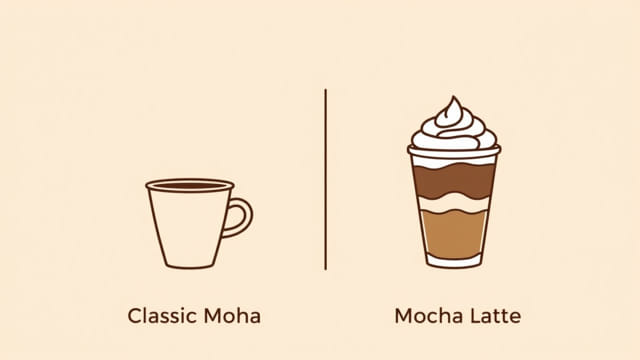
When exploring coffee options, especially those rich in chocolate and espresso, two popular beverages often come up: mocha and mocha latte. Both drinks delight the senses with their smooth blends of coffee and chocolate, but understanding the subtle differences between mocha and mocha latte can help coffee lovers make informed choices that suit their preferences. These drinks share common ingredients yet differ in texture, milk content, and overall taste experience. Whether you’re ordering at a café or making your own cup at home, knowing the distinctions will enhance your coffee experience and help you appreciate the craft behind these delicious drinks.
What Is a Mocha?
A mocha, sometimes called a caffè mocha or mochaccino, is essentially a chocolate-flavored coffee beverage that combines espresso, steamed milk, and chocolate syrup or cocoa powder. This classic drink offers a harmonious balance of bold espresso flavor with sweet chocolate undertones, creating a rich and indulgent treat.
Core Ingredients of a Mocha
- Espresso: The concentrated coffee shot forms the base.
- Chocolate syrup or cocoa powder: Adds the distinctive chocolate taste.
- Steamed milk: Blended to smooth the intense flavors of espresso and chocolate.
- Foamed milk (optional): Some versions include a layer of foam on top.
- Whipped cream (optional): Often added for extra indulgence and presentation.
The chocolate component is what sets the mocha apart from other espresso-based drinks. The sweetness and creaminess can vary depending on the amount and type of chocolate used, giving the mocha versatility from a lightly sweetened drink to a decadent dessert-like beverage.
What Is a Mocha Latte?
A mocha latte builds on the foundation of a traditional mocha but emphasizes the milk aspect more prominently. Essentially, a mocha latte is a latte (espresso with a larger portion of steamed milk and a small amount of foam) with added chocolate syrup. This results in a smoother, creamier, and milkier drink compared to a standard mocha.
Key Characteristics of a Mocha Latte
- Higher milk content: More steamed milk than a traditional mocha, contributing to a lighter texture.
- Chocolate syrup: Mixed into the milk and espresso for a subtle chocolate flavor.
- Espresso: The same strong coffee base but balanced by the increased milk.
- Foamed milk: A thin layer of foam usually tops the drink, consistent with latte style.
- Optional toppings: Whipped cream or chocolate shavings can be added for flair.
The mocha latte is particularly popular among those who enjoy a gentler coffee flavor balanced with creamy sweetness, making it a favorite in many coffee shops worldwide.
Comparing the Flavors and Textures
Though mocha and mocha latte share the primary ingredients of espresso, milk, and chocolate, their flavor profiles and textures differ due to the milk ratios and preparation methods.
Mocha Flavor Profile
- Chocolate-forward: The chocolate syrup or powder is often more pronounced, providing a rich, sweet taste.
- Espresso balance: The espresso intensity remains prominent due to less milk diluting the flavor.
- Thicker texture: Less milk results in a denser, more indulgent drink.
Mocha Latte Flavor Profile
- Milk-forward: The increased steamed milk softens the coffee and chocolate flavors.
- Subtle sweetness: Chocolate blends smoothly with milk, creating a mellow, creamy taste.
- Light texture: More milk and foam give it a lighter, frothier mouthfeel.
How Are Mocha and Mocha Latte Prepared?
The preparation process of each drink reveals their key differences. Both begin with freshly brewed espresso shots, but the milk steaming and mixing steps vary.
Making a Mocha
- Brew 1 or 2 shots of espresso.
- Add chocolate syrup or cocoa powder directly into the espresso.
- Steam milk, aiming for a creamy but somewhat thick consistency.
- Mix the steamed milk with the chocolate and espresso blend.
- Optional: Top with whipped cream or a dusting of cocoa powder.
Making a Mocha Latte
- Brew 1 or 2 shots of espresso.
- Steam a larger quantity of milk until smooth with light foam.
- Add chocolate syrup to the steamed milk.
- Pour espresso into the chocolate milk mixture, or vice versa, ensuring a balanced blend.
- Top with a thin layer of foamed milk and optional whipped cream or chocolate drizzle.
Calorie and Nutritional Differences
Since the mocha latte contains more milk, it tends to have higher calories than a standard mocha made with less milk. The chocolate syrup used in both drinks contributes sugar and calories, but the milk volume largely determines the overall nutritional content.
- Mocha: Lower in calories due to less milk, but still contains sugars from chocolate syrup.
- Mocha Latte: Higher calorie count with creamier texture, more protein from milk, and increased fat content depending on the milk choice.
Opting for skim or plant-based milk can reduce calories and fat in both drinks. Adjusting the amount of chocolate syrup also impacts sweetness and calorie content.
Which One Should You Choose?
The choice between mocha and mocha latte ultimately depends on your taste preferences and dietary goals. If you enjoy a strong coffee flavor with a bold chocolate kick and a thicker consistency, mocha is the ideal choice. On the other hand, if you prefer a creamier, milkier drink with a gentler chocolate flavor and lighter texture, a mocha latte is the better option.
For those watching their calorie intake, a mocha might be preferable due to its lower milk content, but the sugar in chocolate syrup is something to consider. Meanwhile, the mocha latte is great for those who enjoy the classic latte experience with an added chocolate twist.
Variations and Customizations
Both mocha and mocha latte can be customized extensively. Popular variations include:
- Using dark, milk, or white chocolate syrups to alter sweetness and richness.
- Adding flavored syrups such as vanilla, caramel, or hazelnut for extra depth.
- Choosing different milk types whole, skim, almond, oat, or soy milk to cater to dietary needs and flavor preferences.
- Incorporating whipped cream, cinnamon, or chocolate shavings as toppings.
Understanding the nuances between mocha and mocha latte enhances the coffee-drinking experience and helps you pick the perfect drink for any occasion. While both offer delightful combinations of espresso and chocolate, the mocha leans towards a richer, chocolate-forward profile with less milk, whereas the mocha latte balances smooth espresso and chocolate with creamy, frothy milk. Whether you’re a devoted coffee enthusiast or someone exploring new flavors, knowing these differences allows you to savor each sip with greater appreciation. Experiment with recipes and customizations to find your favorite version of these timeless chocolate coffee classics.