In basic biology and microbiology, students often encounter statements about fungal structure that can be confusing without proper explanation. One example is the description of mycelium in Rhizopus and whether it is septate and nucleate. Understanding this topic requires a clear look at fungal anatomy, the meaning of key terms, and how Rhizopus differs from other fungi. By exploring these ideas step by step, the structure and function of Rhizopus mycelium becomes much easier to understand, even for readers without a strong scientific background.
Understanding mycelium in fungi
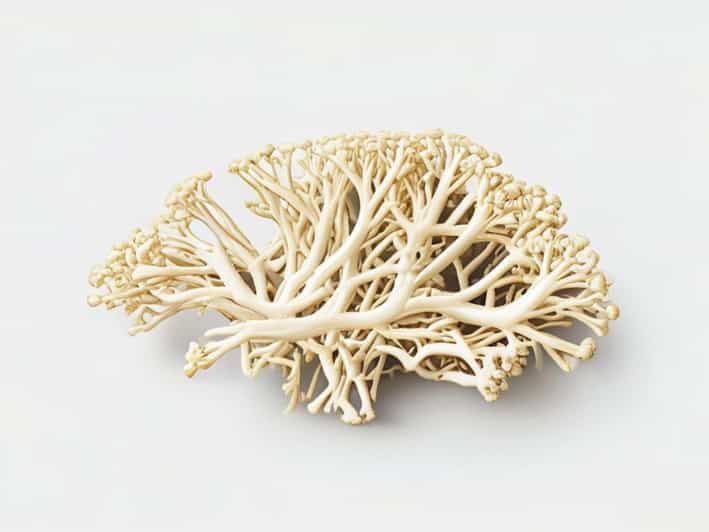
Mycelium is the vegetative part of a fungus and plays a vital role in its growth and survival. It consists of a network of fine, thread-like structures called hyphae. These hyphae spread through the substrate, absorbing nutrients and anchoring the organism in its environment.
In most fungi, the mycelium is responsible for digestion and nutrient absorption. Enzymes are released into the surrounding material, breaking down complex substances into simpler forms that the fungus can absorb. This process is essential for fungi like Rhizopus, which commonly grow on decaying organic matter.
What Rhizopus is and where it is found
Rhizopus is a genus of fungi commonly known as bread mold. It is frequently observed growing on bread, fruits, and other carbohydrate-rich foods under warm and moist conditions. Rhizopus belongs to a group of fungi that reproduce rapidly and play an important role in decomposition.
Because Rhizopus is easy to culture and observe, it is often used in classrooms to demonstrate basic fungal structure, reproduction, and growth patterns.
Key terms septate, aseptate, and nucleate
To understand whether mycelium in Rhizopus is septate and nucleate, it is important to define these terms clearly.
What does septate mean?
Septate hyphae are divided into compartments by cross walls known as septa. Each compartment may contain one or more nuclei and is partially separated from neighboring compartments. Many higher fungi, such as Ascomycetes and Basidiomycetes, have septate hyphae.
What does aseptate mean?
Aseptate hyphae lack these cross walls. Instead of being divided into compartments, the hyphae form long, continuous tubes. This condition is also described as coenocytic. In aseptate hyphae, cytoplasm and nuclei move freely throughout the structure.
What does nucleate mean?
The term nucleate simply means that the cells or structures contain nuclei. In fungi, hyphae can be uninucleate, binucleate, or multinucleate, depending on the species and stage of growth.
The structure of mycelium in Rhizopus
Mycelium in Rhizopus is characteristically aseptate and multinucleate. This means that the hyphae do not have regular septa and contain many nuclei within a continuous cytoplasmic mass.
Although septa may appear in older or damaged parts of the hyphae, especially near reproductive structures, the vegetative mycelium of Rhizopus is generally considered aseptate. This feature distinguishes it from many other fungal groups.
Why Rhizopus mycelium is multinucleate
The multinucleate nature of Rhizopus hyphae allows for rapid growth and efficient nutrient distribution. Since there are no septa to restrict movement, nutrients, organelles, and nuclei can move freely through the hyphae.
This arrangement supports the fast colonization of substrates, which explains why Rhizopus can spread quickly on bread or fruit under favorable conditions.
Common misconceptions about septate mycelium in Rhizopus
One common misconception is the idea that mycelium in Rhizopus is septate and nucleate. While it is correct to say that Rhizopus hyphae are nucleate, describing them as septate is generally inaccurate.
This confusion often arises because students learn that all fungi have septate hyphae, which is not true. Rhizopus belongs to a group traditionally classified as having aseptate hyphae, setting it apart from many other fungi.
Comparison with septate fungi
To better understand Rhizopus, it helps to compare it with fungi that do have septate hyphae.
- Septate fungi have cross walls dividing hyphae into cells
- Rhizopus hyphae are mostly continuous without regular septa
- Septate fungi often show more cellular specialization
- Rhizopus relies on rapid growth rather than compartmentalization
This comparison highlights why accurate terminology matters when describing fungal structure.
The role of mycelium in Rhizopus reproduction
The mycelium of Rhizopus not only absorbs nutrients but also supports reproduction. Specialized aerial hyphae grow upward and form sporangia, which contain spores.
Even in these reproductive structures, septa may form to separate the sporangium from the rest of the hypha. However, this does not change the general classification of Rhizopus mycelium as aseptate during vegetative growth.
Importance of correct classification in biology
Accurately describing whether mycelium in Rhizopus is septate and nucleate is important for scientific understanding. Clear classification helps students grasp evolutionary relationships among fungi and understand how structure relates to function.
Using precise language also prevents confusion when studying more advanced topics such as fungal genetics, ecology, and industrial applications.
Rhizopus and its ecological significance
Rhizopus plays a key role in ecosystems as a decomposer. Its aseptate, multinucleate mycelium allows it to efficiently break down organic material and recycle nutrients back into the environment.
This process supports soil health and contributes to natural nutrient cycles, highlighting the broader importance of understanding fungal biology.
While statements about mycelium in Rhizopus being septate and nucleate may appear in simplified explanations, a closer look reveals important details. Rhizopus mycelium is best described as aseptate and multinucleate, with nuclei distributed throughout a continuous cytoplasm.
Understanding this structure helps clarify how Rhizopus grows, reproduces, and functions in nature. By learning the correct terminology and concepts, readers gain a clearer and more accurate picture of fungal biology and the unique characteristics that define different fungal groups.