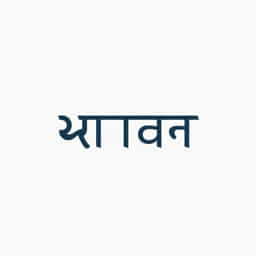
In everyday conversations, measurements, and written content, the abbreviation approx. is commonly used to indicate that a number or statement is not exact but close enough to be accepted as accurate. In Nepali, the meaning of approx. can be understood as à¤à¤¨à¥à¤¡à¥ (jhandai), à¤à¤°à¤¿à¤¬ (karib), or लठà¤à¤ (lagbhag). These words convey the idea of estimation or closeness rather than precise accuracy. Understanding the meaning and usage of approx. in both English and Nepali helps in interpreting data, reading instructions, and communicating effectively in both languages.
Understanding the Abbreviation Approx.
The term approx. is short for approximately. It is used when exactness is not necessary or when only an estimate is available. For example, if someone says The distance is approx. 5 kilometers, it means the actual distance might be slightly more or less, but it is close to 5 kilometers.
In contexts like mathematics, science, cooking, construction, or travel, this term helps simplify communication. Instead of waiting for or needing precise numbers, people can rely on estimates that serve the purpose just as well in practical situations.
Examples of Approx. in Use
- Approx. 30 people attended the meeting.
- The temperature outside is approx. 25°C.
- She will arrive at approx. 3 p.m.
Each of these examples shows how approx. allows flexibility and simplicity without sacrificing understanding. Now, let us explore how this translates into the Nepali language and how the cultural understanding of estimation plays a role in communication.
Nepali Translation and Usage
In Nepali, the word approx. can be expressed in several ways depending on the formality, region, and sentence structure. The most common equivalents are:
- à¤à¤¨à¥à¤¡à¥ (Jhandai)– This is often used in spoken Nepali and informal writing. It conveys a sense of being near or close to a number or event.
- à¤à¤°à¤¿à¤¬ (Karib)– Slightly more formal, this is frequently used in newspapers, academic texts, and reports. It means nearly or around a specific number.
- लठà¤à¤ (Lagbhag)– This term is used in more formal contexts and written Nepali. It is suitable for legal, educational, or statistical content.
Each of these words shares a similar meaning but is chosen based on the audience and the tone of the message. For example, while talking to a friend, à¤à¤¨à¥à¤¡à¥ might be preferred, whereas in a school textbook, लठà¤à¤ would be more appropriate.
Example Sentences in Nepali
- तà¥à¤¯à¥ à¤à¤¾à¤°à¥à¤¯à¤à¥à¤°à¤® à¤à¤¨à¥à¤¡à¥ २ à¤à¤£à¥à¤à¤¾ लामॠथियà¥à¥¤ (That program was approx. 2 hours long.)
- à¤à¤°à¤¿à¤¬ ५० à¤à¤¨à¤¾ विदà¥à¤¯à¤¾à¤°à¥à¤¥à¥à¤¹à¤°à¥ परà¥à¤à¥à¤·à¤¾ दिन à¤à¤à¥¤ (Approx. 50 students came to take the exam.)
- हामà¥à¤²à¤¾à¤ लठà¤à¤ १० हà¤à¤¾à¤° रà¥à¤ªà¥à¤¯à¤¾à¤ लाठà¥à¤¨à¥à¤à¥¤ (It will cost us approx. 10,000 rupees.)
These examples illustrate how native Nepali speakers use different forms of approx. to communicate estimates effectively.
Importance of Approx. in Communication
Using approx. is helpful in many real-world situations. Exact numbers are not always available, and sometimes, they are not even necessary. In such cases, giving an estimate ensures that communication continues smoothly without delays. Here are some of the key benefits:
1. Saves Time
When you are not sure of the exact figure, using approx. lets you convey a general idea without spending extra time to verify precision.
2. Reduces Pressure
In planning or forecasting, estimates are more practical. For example, a contractor might say, The work will take approx. two weeks, to avoid unrealistic expectations.
3. Aids Flexibility
Approximate values allow flexibility in interpretation. People understand that the number is not rigid, which helps in adapting to change.
4. Enhances Practicality
Especially in fields like travel, construction, business, and budgeting, approximate values are more functional than fixed numbers.
Cultural Context in Nepal
In Nepal, people often use estimation in everyday conversations. The culture accepts and understands the concept of almost or nearly as part of daily life. This is reflected in expressions such as à¤à¤¨à¥à¤¡à¥ पà¥à¤ à¥à¤¯à¥ (almost reached) or लठà¤à¤ तयार ठ(almost ready). Precision is respected in professional fields like science, medicine, or law, but in casual contexts, estimates are common and accepted.
Due to this, the use of approximate language in Nepali communication is both functional and culturally aligned. It allows people to share ideas without requiring perfect accuracy, as long as the general meaning is understood.
Comparison with Other Languages
The idea of approximation is not unique to English or Nepali. In many world languages, similar terms exist:
- Hindi: लठà¤à¤ (lagbhag), à¤à¤°à¥à¤¬ (karib)
- French: environ
- Spanish: aproximadamente
- German: ungefähr
- Chinese: 大约 (dà yuÄ)
This demonstrates how universal the concept is, proving its importance in effective human communication across different cultures.
To sum up, the word approx. plays a key role in how we communicate uncertain or flexible information. In Nepali, its meanings are reflected in commonly used terms like à¤à¤¨à¥à¤¡à¥, à¤à¤°à¤¿à¤¬, and लठà¤à¤ These words help convey estimates in a way that aligns with both language and cultural habits. Whether in casual speech, professional settings, or written documents, understanding the Nepali meaning of approx. ensures that communication is clear, natural, and practical. Using approximation not only enhances comprehension but also promotes flexibility and reduces unnecessary rigidity in conversation. So next time you’re unsure of an exact number, remember that an approximate one whether in English or Nepali can be just as effective.