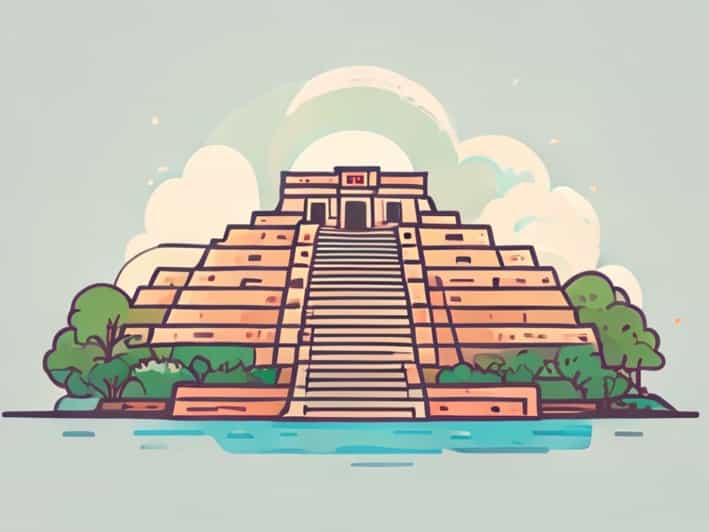
Many people ask nowadays where is the city of Teotihuacan, especially when learning about ancient civilizations of Mesoamerica. Teotihuacan was once one of the largest and most influential cities in the ancient world, long before the rise of the Aztecs. Today, it no longer exists as a living city, but its remains are still very much present and carefully preserved. Understanding its modern location, historical background, and cultural importance helps connect the ancient past with the present landscape of Mexico.
Where Teotihuacan Is Located Today
Nowadays, the city of Teotihuacan is located in central Mexico, approximately 40 to 50 kilometers northeast of Mexico City. It lies within the State of Mexico, near the modern towns of San Juan Teotihuacan and San Martín de las Pirámides. The archaeological site occupies a wide valley that was once a thriving urban center.
Although Teotihuacan is no longer inhabited as a city, its ruins form one of the most important archaeological zones in the country. The area is protected and managed as a historical and cultural heritage site.
Modern Geographic Context
- Located northeast of Mexico City
- Part of the State of Mexico
- Situated in the Basin of Mexico
- Surrounded by small modern towns
What Remains of the Ancient City Today
When asking where the city of Teotihuacan is nowadays, it is important to understand that what remains is an archaeological complex rather than a functioning urban area. The ruins cover several square kilometers and include some of the most impressive ancient structures in the Americas.
Visitors today can walk along ancient avenues, explore plazas, and observe monumental pyramids that once stood at the heart of religious and civic life.
Main Structures Still Visible
- Pyramid of the Sun
- Pyramid of the Moon
- Avenue of the Dead
- Temple of the Feathered Serpent
- Residential compounds
These remains give a clear picture of how organized and advanced the city once was.
Historical Background of Teotihuacan
Teotihuacan began to develop around the first centuries before the Common Era and reached its peak between 200 and 600 CE. At its height, it was one of the largest cities in the world, with a population that may have exceeded 100,000 inhabitants.
The city was a center of trade, religion, and culture, influencing many other Mesoamerican civilizations. Even centuries after its decline, later cultures such as the Aztecs regarded it as a sacred place.
Who Built Teotihuacan
One of the most fascinating aspects of Teotihuacan is that the identity of its original builders remains uncertain. The people who founded the city left no written records that clearly identify themselves. Archaeologists rely on architecture, art, and material remains to understand their society.
- Multi-ethnic population
- Highly organized urban planning
- Advanced construction techniques
- Strong religious traditions
Why Teotihuacan Was Abandoned
When discussing where the city of Teotihuacan is nowadays, it is also important to understand why it is no longer inhabited. The decline of the city occurred around the 7th or 8th century CE.
Archaeological evidence suggests a combination of factors, including internal conflict, social unrest, environmental stress, and possible drought. Some areas show signs of fire and destruction, indicating possible uprisings or political collapse.
The Transition After Abandonment
After its decline, Teotihuacan was not completely forgotten. Smaller communities continued to live nearby, and later civilizations visited the ruins, viewing them as sacred. The Aztecs, who arrived centuries later, named the site Teotihuacan, meaning the place where the gods were created.
Teotihuacan in the Modern Era
Today, Teotihuacan is one of Mexico’s most visited archaeological sites. It is recognized as a UNESCO World Heritage Site and protected by national institutions. Tourists, researchers, and students from around the world come to explore its ruins.
The modern towns surrounding the site depend heavily on tourism, crafts, and local commerce related to the archaeological zone.
Modern Access and Preservation
- Accessible by road from Mexico City
- Protected as a national heritage site
- Ongoing archaeological research
- Educational programs and museums nearby
Why Teotihuacan Still Matters Today
The question of where the city of Teotihuacan is nowadays leads to a deeper understanding of its lasting influence. Even though it is no longer inhabited, its cultural and historical importance remains strong.
Its urban planning influenced later Mesoamerican cities, and its religious symbols appear in art long after its decline. The city serves as a key example of early urban development in the Americas.
Cultural Influence Across Time
- Architectural inspiration for later civilizations
- Religious symbolism adopted by others
- Trade networks that spread ideas
- Enduring presence in cultural memory
Understanding the Layout Through Modern Maps
Modern maps of Teotihuacan help people visualize how the ancient city was organized. The layout is highly planned, with a grid-like structure and a central avenue aligned with astronomical features.
These maps show how the city was divided into residential, ceremonial, and administrative areas. They also highlight how advanced the planning was compared to other ancient societies.
Key Features Shown on Modern Maps
- Main avenues and plazas
- Temple complexes
- Residential compounds
- Surrounding landscape
The Role of Archaeology Today
Archaeological work continues to shape our understanding of where the city of Teotihuacan stands today in historical knowledge. Excavations, surveys, and scientific analysis reveal new details about daily life, trade, and belief systems.
Modern technology, such as ground scanning and mapping tools, allows researchers to study areas without disturbing the site.
Ongoing Discoveries
- Hidden tunnels beneath pyramids
- Murals and artwork
- Artifacts showing trade connections
- Evidence of social organization
Teotihuacan as a Cultural Symbol
Beyond its physical location, Teotihuacan exists today as a symbol of ancient innovation and human creativity. It represents a time when large, complex societies thrived without modern technology.
For many people, visiting or learning about Teotihuacan creates a deeper appreciation for early civilizations and their achievements.
Nowadays, the city of Teotihuacan exists as a vast archaeological site located northeast of Mexico City, preserved as one of the most important ancient centers in the Americas. Although it is no longer a living city, its ruins continue to tell a powerful story of innovation, culture, and human organization. Through maps, research, and preservation, Teotihuacan remains a bridge between the ancient world and the present, offering valuable insights into humanity’s shared past.