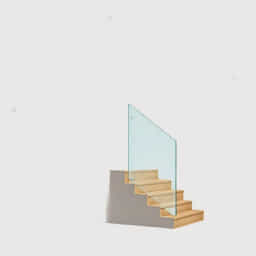
Combining natural elegance with modern appeal, an oak and glass bannister offers a stunning architectural element that enhances the visual flow of any staircase or landing area. This unique blend of traditional hardwood and sleek transparent panels suits a variety of home styles, from rustic farmhouse interiors to contemporary minimalist designs. Many homeowners choose this bannister style not only for its aesthetic charm but also for its durability, safety, and ability to brighten up enclosed spaces. If you’re considering an oak and glass bannister, understanding its structure, benefits, and maintenance needs can help ensure it serves your home beautifully for years to come.
What Is an Oak and Glass Bannister?
An oak and glass bannister is a type of staircase or balcony railing system that typically consists of a solid oak handrail and newel posts paired with tempered glass panels or balusters. The oak component brings a sense of warmth and stability, while the glass introduces a touch of openness and refinement. This combination is ideal for homeowners who want a modern look without sacrificing the rich character of wood.
Core Components
- Oak Handrail: A smooth, sturdy wooden rail that runs along the top of the bannister.
- Glass Panels: Usually made of toughened or tempered safety glass, installed between posts or brackets.
- Newel Posts: Structural posts at the top and bottom of the staircase or at turning points, typically crafted from matching oak.
- Glass Clamps or Channels: Hardware used to secure the glass panels in place, often in stainless steel or brushed nickel finishes.
Design Advantages
One of the most appealing aspects of oak and glass bannisters is their versatility. Whether you’re renovating a traditional home or building a brand-new property, this bannister style can adapt to your interior design goals while delivering practical benefits.
Light and Openness
The glass component of the bannister allows natural light to pass through, which can make hallways, stairwells, or mezzanine levels feel brighter and more spacious. This is particularly helpful in homes with narrow staircases or limited windows.
Modern Yet Timeless Look
While glass may suggest a contemporary feel, the addition of oak softens the design and prevents it from becoming overly industrial. Oak’s natural grain and warm tones provide visual interest and charm that never goes out of style.
Enhanced Safety
Tempered glass used in bannisters is exceptionally strong and resistant to shattering. Unlike traditional spindles, full glass panels eliminate gaps where children or pets might get stuck, offering a safer environment.
Installation Considerations
Installing an oak and glass bannister requires careful measurement, proper support structures, and precise alignment of the glass panels. While it is possible for a skilled DIYer to undertake this project, many homeowners opt to hire professionals to ensure a seamless finish.
Space and Stair Layout
Before choosing a bannister system, assess the shape and structure of your staircase. A straight staircase may require fewer materials and simpler installation, while winding or split-level stairs will involve additional planning and custom components.
Building Codes
Local building regulations may dictate the height of the handrail, the spacing of the newel posts, and the thickness of the glass. Always consult relevant codes before proceeding with installation to ensure safety compliance.
Maintenance Tips
Keeping your oak and glass bannister looking its best requires regular cleaning and occasional treatment, particularly for the oak elements. Fortunately, both glass and hardwood are relatively easy to maintain when cared for properly.
Cleaning the Glass
- Use a soft cloth and glass cleaner to remove fingerprints and smudges.
- Avoid abrasive pads or harsh chemicals that can scratch the glass surface.
- Wipe down the panels regularly to maintain a clear, streak-free appearance.
Preserving the Oak
- Dust the oak handrails and posts weekly using a dry microfiber cloth.
- Apply wood polish or oil every few months to keep the finish vibrant and protected.
- If the wood is unfinished, consider sealing it to protect against moisture and wear.
Customization Options
One of the best features of oak and glass bannisters is how customizable they are. Homeowners can select from a range of wood stains, glass styles, and hardware finishes to match their décor.
Glass Styles
- Clear Glass: Offers maximum visibility and light flow.
- Frosted Glass: Provides added privacy while still letting light through.
- Tinted Glass: A stylish option that can complement darker interior tones.
Oak Finishes
- Natural Oak: Emphasizes the wood’s natural grain and color.
- Dark Stain: Adds a bold, modern edge to the bannister system.
- Painted Oak: Allows for a completely custom color scheme.
Cost and Value
The cost of installing an oak and glass bannister can vary depending on the size of the staircase, materials selected, and labor fees. However, this upgrade is often seen as a worthwhile investment due to its ability to increase the visual and resale value of a home.
Average Pricing Factors
- Price of oak (solid vs. engineered wood)
- Type and thickness of glass panels
- Complexity of installation
- Customization and hardware finish choices
Although an oak and glass bannister may require a larger upfront cost compared to basic wooden railings, the long-term appeal and low maintenance make it a desirable feature for many buyers and homeowners.
An oak and glass bannister is more than just a functional safety feature it’s an integral part of your home’s design aesthetic. With its combination of sturdy hardwood and transparent modern materials, it provides a sophisticated yet welcoming atmosphere. Whether you’re building a new staircase or upgrading an existing one, choosing an oak and glass bannister adds elegance, value, and durability to your living space. With proper installation and simple upkeep, this type of bannister can remain a beautiful focal point in your home for many years to come.