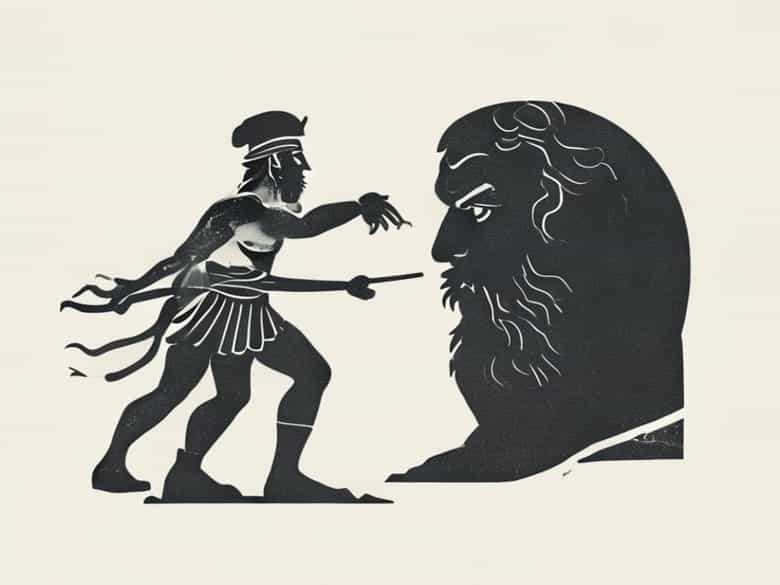
In Homer’s epic poem, the encounter between Odysseus and the Cyclops is one of the most memorable moments in ancient literature. The scene is dramatic, tense, and full of consequences that shape the rest of Odysseus’s journey. When readers explore the idea that Odysseus provoking the Cyclops leads to far-reaching outcomes, they begin to understand how a single act of pride and defiance can alter destiny. This episode is not just about survival, but about character, consequences, and the complex relationship between intelligence and arrogance.
The Context of Odysseus and the Cyclops
Odysseus and his crew arrive on the island of the Cyclopes during their long journey home after the Trojan War. The Cyclopes are described as powerful, lawless giants who live without social order or respect for gods and customs. This setting immediately creates tension, as Odysseus is a man shaped by Greek values such as hospitality, honor, and clever speech.
Polyphemus as the Cyclops
The Cyclops Odysseus encounters is Polyphemus, the son of Poseidon, the god of the sea. This family connection becomes extremely important later in the story. Polyphemus is not just a monster; he represents brute force, isolation, and disregard for human norms.
Why Odysseus Provokes the Cyclops
At first, Odysseus does not intend to provoke Polyphemus. He enters the cave expecting hospitality, a sacred tradition in Greek culture. However, when Polyphemus traps the men and eats several of them, Odysseus is forced to act.
Survival Through Intelligence
Odysseus’s clever plan to escape involves blinding the Cyclops and using deception. He tells Polyphemus that his name is Nobody, allowing him to escape when the blinded Cyclops cries for help. This moment highlights Odysseus’s intelligence and quick thinking.
The Moment of Provocation
The true provocation occurs after Odysseus and his men escape. As they sail away, Odysseus cannot resist revealing his real name and mocking Polyphemus. This act of pride transforms a successful escape into a disastrous turning point.
Odysseus Provoking the Cyclops Leads to Divine Punishment
One of the most significant consequences of Odysseus provoking the Cyclops is divine punishment. By revealing his identity, Odysseus gives Polyphemus the power to call upon his father, Poseidon.
Poseidon’s Wrath
Polyphemus prays to Poseidon to curse Odysseus, asking that he never return home or, if he does, that it be after great suffering. Poseidon answers this prayer, becoming Odysseus’s greatest enemy throughout the journey.
- Storms destroy Odysseus’s ships
- His journey is delayed for many years
- His crew slowly perishes
This shows how Odysseus provoking the Cyclops leads directly to years of hardship and loss.
The Theme of Pride and Hubris
The Cyclops episode is a powerful example of hubris, or excessive pride. Odysseus’s need to be recognized and remembered overrides his better judgment.
Heroic Identity and Ego
In Greek culture, heroes sought fame and glory. Odysseus wants Polyphemus to know who defeated him. However, this desire for recognition comes at a high cost.
A Lesson in Restraint
By provoking the Cyclops, Odysseus teaches readers that intelligence alone is not enough. Wisdom includes knowing when to remain silent. This lesson resonates throughout the rest of the epic.
Consequences for Odysseus’s Crew
Odysseus provoking the Cyclops leads not only to his own suffering but also to the destruction of his crew. Although they initially survive the Cyclops encounter, Poseidon’s anger follows them everywhere.
The Loss of Companions
Storms, monsters, and divine punishment eventually kill every member of Odysseus’s crew. These deaths are indirectly tied to the curse placed after the Cyclops incident.
Leadership and Responsibility
This raises questions about leadership. Odysseus’s pride puts others at risk. His role as a leader becomes more complex, as his strengths are also his weaknesses.
The Role of Fate and Choice
The story suggests that fate and personal choice work together. While the gods influence events, Odysseus’s own actions trigger many of his problems.
Could Odysseus Have Avoided the Curse?
If Odysseus had sailed away quietly, Polyphemus would not have known his name. Poseidon would have had no reason to interfere so strongly. This shows how a single choice can change an entire destiny.
Symbolism of the Cyclops Encounter
The Cyclops represents raw power without wisdom, while Odysseus represents intelligence and strategy. However, the encounter shows that intelligence must be balanced with humility.
Human vs Monster
Odysseus defeats the Cyclops not with strength but with planning. Yet his victory is incomplete because of his pride.
Isolation and Civilization
Polyphemus lives alone, without laws or community. Odysseus comes from a world of cities, customs, and shared values. Their clash highlights the importance of social order and self-control.
Long-Term Impact on the Journey Home
Odysseus provoking the Cyclops leads to a journey that lasts ten more years. Each new obstacle can be traced back to Poseidon’s anger.
Endurance and Growth
Over time, Odysseus becomes more patient and cautious. His experiences teach him to control his impulses, especially when dealing with gods and powerful forces.
Why This Episode Still Matters Today
The Cyclops story remains relevant because it reflects universal human behavior. Pride, anger, and the desire for recognition still influence modern decisions.
Lessons for Modern Readers
- Actions have long-term consequences
- Pride can undo success
- Silence can sometimes be wiser than speech
Odysseus provoking the Cyclops leads to one of the most important turning points in the epic. What begins as a clever escape becomes the source of years of suffering due to a single moment of pride. This episode shows that intelligence must be paired with humility and self-control. Through this story, readers learn that even heroes are flawed, and that small choices can shape the course of an entire life. The Cyclops encounter remains a powerful reminder of how human nature, destiny, and consequence are deeply connected.