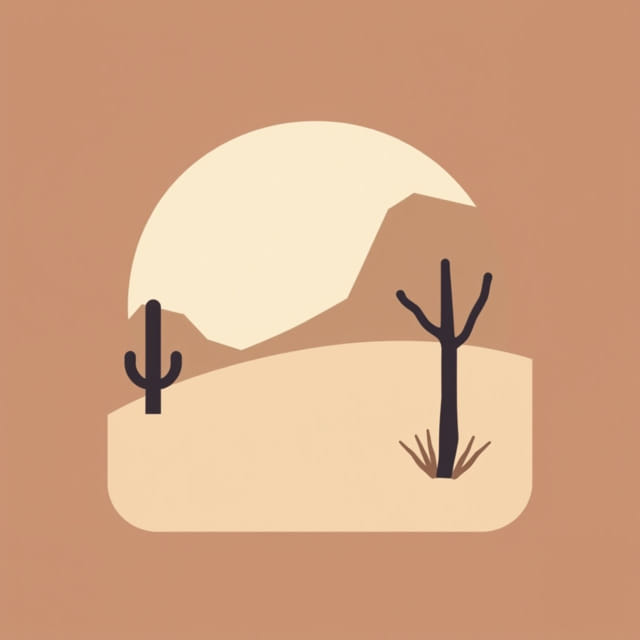
High above the plains, where the air is thin and dry, lies the dusty mesa a vast, flat-topped expanse that stretches to the horizon like the surface of another world. This elevated plateau is more than just a scenic backdrop; it is a place steeped in natural wonder, geological mystery, and cultural heritage. Life on the dusty mesa may seem harsh and desolate, but it tells a story of endurance, transformation, and quiet beauty carved by time and wind. From the layers of ancient rock to the sparse but resilient flora and fauna, everything here whispers secrets of the land’s deep history.
What Is a Mesa?
A mesa is a landform characterized by its flat top and steep sides, typically found in arid regions. The word mesa comes from the Spanish word for table, aptly describing its shape. These formations occur when harder rock layers on top resist erosion while the softer layers below gradually wear away, leaving a flat summit elevated above the surrounding terrain.
Formation of the Dusty Mesa
The dusty mesa, like others of its kind, was born from a mix of volcanic activity, sedimentation, and the relentless forces of erosion. Millions of years ago, layers of sediment and lava formed the foundation of the landscape. Over time, wind and water etched away the softer stone, exposing cliffs and sharp drop-offs that now define the mesa’s dramatic appearance. The dry conditions of desert climates help preserve the mesa’s structure by minimizing rapid erosion.
The Harsh but Beautiful Environment
Despite its barren appearance, the dusty mesa supports a delicate ecosystem. The climate is typically semi-arid or desert-like, with hot days, cool nights, and minimal rainfall. The soil is thin and dry, composed mostly of sand and gravel, which makes agriculture nearly impossible without irrigation. However, some plants and animals have adapted to survive here.
Flora and Fauna of the Mesa
- Cacti and Succulents– These plants store water in their stems and thrive in the sun-baked soil.
- Juniper and Pinyon Pines– Found at slightly higher elevations or cooler slopes of the mesa.
- Desert Foxes and Jackrabbits– Agile animals that have evolved to survive the open, predator-filled terrain.
- Hawks and Ravens– Birds that nest along the mesa’s rocky edges, often seen soaring in the thermals above.
Cultural and Historical Significance
The dusty mesa has not only geological value but also cultural importance. Many mesas across North America were once home to Indigenous peoples who understood and respected the harsh land. Cliff dwellings and petroglyphs are still visible in certain parts, offering glimpses into ancient ways of life. The mesa’s height provided both safety and a strategic viewpoint for these early inhabitants.
Native American Connections
In the American Southwest, mesas like this were sacred. Tribes such as the Hopi and Zuni built stone homes into the cliffs and practiced spiritual rituals tied to the land. The mesa was a symbol of permanence and connection to the earth. Even today, some communities maintain traditions that trace back to these ancient civilizations.
Modern Perspectives on the Dusty Mesa
Today, dusty mesas remain a source of inspiration for photographers, hikers, scientists, and conservationists. They are places where time feels suspended, and the grandeur of nature takes center stage. Many mesas are protected as part of national parks or reserves, ensuring their preservation for future generations. Others remain isolated and untouched, visited only by the wind and the occasional wanderer.
Hiking and Exploration
For adventurous travelers, the dusty mesa offers a unique challenge. Trails are often unmarked, and the sun can be unforgiving. But for those who prepare properly, the reward is immense. Views from the top can stretch for miles, revealing layers of color in the rock formations and the quiet solitude of an untamed landscape.
Scientific Importance
Geologists study mesas to learn about Earth’s history. The exposed rock layers act like pages in a book, revealing information about ancient climates, tectonic shifts, and even fossilized life forms. Biologists also value mesas as isolated ecosystems where unique species can be observed.
Challenges of Conservation
Despite their remote nature, dusty mesas face several threats. Erosion, driven by both natural and human causes, continues to wear down their structures. Off-road vehicles, mining, and unregulated tourism can cause irreparable damage. Climate change also poses a long-term risk by altering rainfall patterns and increasing the frequency of extreme weather events.
Preservation Efforts
Organizations and local communities are working to protect mesas through environmental education, stricter access controls, and habitat restoration projects. Public awareness is crucial. Understanding the fragility of these landscapes is the first step toward ensuring they remain part of our natural heritage.
Symbolism and Artistic Influence
The dusty mesa has long held a place in the human imagination. Its stark beauty and sense of isolation have inspired countless works of art, literature, and music. It symbolizes endurance, mystery, and the raw power of nature. The visual drama of mesas at sunset with their shadows stretching across the desert evokes a sense of timelessness.
In Literature and Film
From classic Westerns to modern novels, the mesa often serves as a setting that challenges characters or reveals inner truths. Its isolation reflects inner struggles, and its grandeur evokes themes of freedom and survival. Filmmakers often choose mesa landscapes for their ability to create both intimacy and vastness on screen.
A Testament to Time
The dusty mesa is more than just a geographical feature. It is a monument to the Earth’s patience and resilience. Every crack in its surface, every dry gust of wind, tells a story of survival and quiet transformation. Whether viewed as a scientific puzzle, a sacred site, or a source of artistic inspiration, the mesa continues to captivate all who encounter it. In a world of constant change, it stands firm dusty, enduring, and majestic.