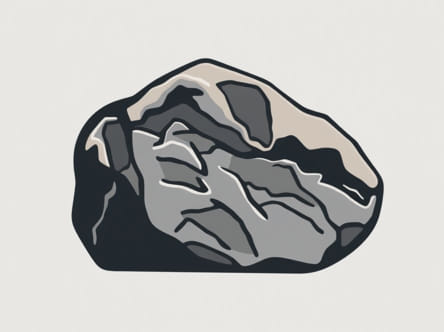
Metamorphic rocks are formed through the transformation of existing rocks under the influence of heat, pressure, and chemically active fluids. One well-known example of a metamorphic rock is schist. This type of rock is characterized by its foliated texture and mineral composition, making it an excellent subject of study for both geologists and students. Schist is not only important from a geological perspective but also serves as a useful resource in construction and decorative applications. Understanding how schist forms and where it can be found helps us appreciate the dynamic processes that shape the Earth’s crust over millions of years.
What Is Schist?
Schist is a medium- to coarse-grained metamorphic rock that exhibits a pronounced foliation, or layering, due to the alignment of platy minerals such as mica. This texture gives schist a shiny appearance and a tendency to split along its layers. It typically forms from the metamorphism of mudstone or shale, though it can also result from the transformation of volcanic rocks.
The term schist” comes from the Greek word schízein, meaning “to split,” which reflects its easily cleaved structure. This rock type belongs to the category of regional metamorphic rocks, meaning it forms under conditions of high pressure and temperature over large areas, often associated with mountain-building processes.
Mineral Composition of Schist
Schist commonly contains minerals such as
- Muscovite or biotite mica
- Quartz
- Feldspar
- Garnet (in some types)
- Chlorite
These minerals grow large enough to be visible to the naked eye, especially the mica, which contributes to the rock’s glossy sheen. Depending on its mineral makeup, schist can have different names, such as garnet schist, mica schist, or chlorite schist.
How Schist Forms
Schist is the result of medium to high-grade metamorphism. The process typically begins with sedimentary rocks like shale, which undergo increasing pressure and heat over time. As these conditions intensify, the clay minerals in shale are transformed into mica and other minerals, causing the rock to recrystallize into a foliated structure.
This transformation involves the reorientation of mineral grains perpendicular to the direction of stress, creating a layered appearance. Over millions of years, the original rock undergoes extensive change, developing new mineral assemblages and textures without melting completely. If temperatures and pressures continue to rise, schist may eventually transform into a higher-grade rock such as gneiss.
Stages of Metamorphism Leading to Schist
- ShaleThe original sedimentary rock composed mostly of clay minerals.
- SlateThe first metamorphic stage, showing fine foliation.
- PhylliteA slightly more metamorphosed rock with a silky sheen.
- SchistClearly foliated rock with visible mineral grains.
This progression shows how schist represents an intermediate stage in the metamorphic sequence, where mineral growth becomes more noticeable and the rock’s texture more pronounced.
Where Schist Can Be Found
Schist is widespread across the globe and often found in areas with a history of tectonic activity. It is commonly associated with mountain ranges, especially those formed by continental collision. Notable locations include
- The Appalachian Mountains in the eastern United States
- The Alps in Europe
- The Himalayas in Asia
- Parts of Scotland and Norway
In these regions, large-scale geological processes have subjected rocks to intense metamorphism, producing thick sequences of schist and other metamorphic rocks. Because schist is relatively resistant to erosion, it often forms rugged terrain and steep slopes in mountainous areas.
Uses of Schist
Schist is valued for both practical and decorative purposes. Its unique appearance and durability make it a useful material in a variety of settings. Some common uses include
- Decorative stone in landscaping and architecture
- Dimension stone for walls and tiles
- Crushed rock for road base or fill
However, due to its foliated nature, schist is not ideal for heavy structural purposes, as it can split along its layers under pressure. Still, its aesthetic appeal and availability make it a popular choice for designers and builders.
Importance in Geology
From a scientific perspective, schist is important because it provides valuable information about the conditions under which it formed. By studying the minerals within schist, geologists can estimate the temperature and pressure levels present during metamorphism. This helps reconstruct the geological history of a region and understand the forces that shaped it.
Schist also helps illustrate the rock cycle, demonstrating how sedimentary rocks can be transformed into metamorphic rocks and possibly into igneous rocks if melting occurs. Its presence in mountain belts is a strong indicator of past tectonic activity, making it a key focus in structural geology and petrology.
Identifying Schist in the Field
To identify schist, look for the following features
- Shiny, layered appearance
- Visible mineral grains, especially mica
- Foliation or parallel alignment of minerals
- Breaks easily along planes
Its distinct texture makes it easier to recognize compared to other metamorphic rocks, especially in exposed outcrops or road cuts.
Environmental and Educational Significance
In addition to its industrial uses, schist plays a role in environmental studies and education. Because it resists weathering to some extent, schist landscapes can support unique ecosystems. Moreover, studying schist in the classroom or field provides students with a hands-on opportunity to understand the principles of metamorphism, plate tectonics, and the rock cycle.
Educational institutions often use schist samples to demonstrate mineral identification, textural changes, and geological mapping skills. This rock’s clear foliation and varied mineral content make it an excellent teaching tool for geology students at all levels.
Schist is a classic example of a metamorphic rock that showcases the beauty and complexity of geological processes. Formed under intense pressure and heat, schist reveals the deep history of the Earth’s crust and the forces that continue to shape our planet. Its layered structure, diverse mineral content, and widespread occurrence make it both a practical material and a fascinating subject for study. Whether found in majestic mountain ranges or used as a decorative stone, schist remains a key player in the story of rocks and the dynamic Earth beneath our feet.