Whether you’re preparing a simple omelet, adding garnish to a stir-fry, or creating a soup base, green onion-like vegetables often make their way into the recipe. However, many people confuse onion leaves and scallions, using the terms interchangeably. While they look similar and serve similar purposes in cooking, there are subtle differences between the two. Understanding what sets onion leaves apart from scallions can help you choose the right ingredient for flavor, texture, and presentation. This comparison can be particularly useful for home cooks, chefs, and anyone interested in culinary precision.
Understanding Onion Leaves
What Are Onion Leaves?
Onion leaves are the green, tubular shoots that grow from the top of a bulb onion, such as yellow onions or red onions. These leaves are typically seen when onions are harvested early or when they sprout during storage. Although not always sold separately in supermarkets, onion leaves can be harvested and used similarly to scallions or green onions. They tend to have a stronger onion flavor and are more commonly found in backyard gardens or farmers’ markets.
Flavor and Texture Profile
The taste of onion leaves is slightly more pungent and oniony compared to scallions. They have a sharper bite, especially near the base where the leaf connects to the bulb. The texture is firm and fibrous, especially if the leaf is large or mature. When young, however, the leaves are tender and can be chopped and used fresh in various dishes.
Common Culinary Uses
- Used as garnish for soups and curries
- Stirred into scrambled eggs or omelets
- Added to savory pancakes or fritters
- Blended into sauces, chutneys, or dips
Exploring Scallions
What Are Scallions?
Scallions, also known as green onions, are a type of allium harvested before the bulb fully forms. They have long, thin green stalks with white, slightly bulbous bases. Scallions are cultivated specifically for their tender stalks and mild flavor. Unlike onion leaves, scallions are commonly sold in grocery stores and used in cuisines around the world, from Asian stir-fries to American salads.
Flavor and Texture Profile
Scallions offer a mild onion flavor, making them suitable for both raw and cooked dishes. The white part is slightly more intense in taste, while the green tops are delicate and fresh-tasting. They are much more tender overall compared to onion leaves, which makes them easier to digest when eaten raw. Their soft texture is ideal for quick cooking methods or finishing dishes.
Common Culinary Uses
- Chopped raw and sprinkled over soups, noodles, or tacos
- Sautéed in stir-fried dishes
- Mixed into dips like sour cream or guacamole
- Used in marinades or dressings
Key Differences Between Onion Leaves and Scallions
Appearance
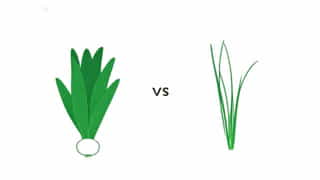
At first glance, both may look like long green stalks, but there are notable visual differences. Onion leaves usually emerge from a matured onion bulb and can vary in thickness. The leaves are darker green, more rigid, and often hollow. Scallions, on the other hand, have a clear division between the white base and the lighter green stalk. They are slender and have a more consistent shape.
Flavor Intensity
One of the major distinctions is the intensity of flavor. Onion leaves are spicier and more pungent, especially when grown from mature onions. Scallions offer a much milder, sweeter flavor that’s more versatile, particularly in raw dishes. This makes scallions a go-to ingredient when you want to add flavor without overpowering a dish.
Availability and Storage
Scallions are widely available and are usually sold in bunches at grocery stores. Onion leaves are less common and often found in home gardens or local produce stands. In terms of storage, scallions can stay fresh for about a week in the refrigerator when wrapped properly. Onion leaves tend to wilt faster and are best used within a few days after harvesting.
Substitution Tips in Cooking
Can You Swap One for the Other?
Yes, you can substitute onion leaves for scallions and vice versa, but with some caution. Because onion leaves are stronger in flavor, you may want to use them in smaller quantities or cook them slightly to mellow the taste. Scallions, being gentler, can be used generously even in raw preparations. When substituting:
- Use less onion leaf if a recipe calls for scallions
- Consider cooking onion leaves to reduce pungency
- Use scallions freely for fresh salads or toppings
Recipes That Work with Both
Many recipes can use either scallions or onion leaves depending on availability and desired flavor. Examples include:
- Fried rice with chopped green stalks
- Spring rolls with green herb fillings
- Savory muffins or cornbread with oniony flavor
- Omelets, quiches, and frittatas
Health Benefits Comparison
Nutritional Value
Both onion leaves and scallions are low in calories and rich in vitamins, especially vitamin C, vitamin K, and folate. They are also good sources of fiber and contain antioxidants that promote heart health and reduce inflammation. Their light nature makes them ideal additions to meals for flavor without added calories.
Digestibility
Scallions are easier to digest due to their tenderness and lower sulfur content. Onion leaves may cause digestive discomfort in sensitive individuals when eaten raw, so it’s best to cook them slightly if needed. However, both are nutritious choices when used in moderation.
Cultural and Regional Usage
Where Are Onion Leaves Commonly Used?
In South Asian and Southeast Asian cuisines, onion leaves are commonly used in chutneys, rice dishes, and as toppings for curries. They are considered a sustainable way to use the entire onion plant, especially in rural or agricultural communities.
Scallions Around the World
Scallions feature prominently in Chinese, Korean, Japanese, and Mexican cuisines. Whether it’s scallion pancakes, spring onion oil noodles, or taco toppings, their adaptability makes them a favorite among chefs and home cooks globally.
Though onion leaves and scallions share many similarities, understanding their differences can enhance your culinary skills and elevate your dishes. Onion leaves offer a bold, earthy flavor suited for heartier meals, while scallions provide a light, fresh finish perfect for delicate dishes. Whether you’re growing your own onions or picking up a bunch of scallions from the store, both ingredients deserve a spot in your kitchen. Knowing when and how to use each one will not only broaden your flavor palette but also help you make the most of your ingredients with confidence.