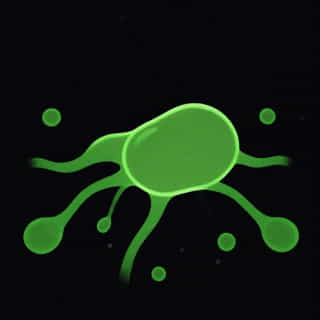
Within every living cell lies a dynamic, gel-like substance that serves as the foundation for countless biological processes: the cytoplasm. Often overlooked due to the more well-known organelles it surrounds, the cytoplasm plays a vital role in cellular structure, communication, and metabolic activity. While ‘cytoplasm’ is the most widely recognized term, this essential part of the cell is also known by several other names and classifications, each offering deeper insight into its composition and function. Exploring these alternative names of cytoplasm helps us understand the complexity and significance of this cellular component in both plant and animal biology.
What Is Cytoplasm?
Basic Definition and Composition
Cytoplasm refers to the thick solution that fills each cell and is enclosed by the cell membrane. It consists primarily of water, salts, and proteins. The cytoplasm contains all of the organelles outside the nucleus and supports their function. It acts as a buffer and protects the genetic material and organelles from damage caused by movement or collisions.
Main Functions of Cytoplasm
The cytoplasm is not just a passive background material. It serves several essential functions, such as:
- Providing a medium for chemical reactions
- Supporting and suspending organelles
- Transporting materials within the cell
- Assisting in cellular shape and movement
Because of these critical roles, scientists have explored the structure of the cytoplasm in detail, resulting in alternative names that highlight its specific aspects and divisions.
Other Names and Terms Related to Cytoplasm
Protoplasm
One of the most commonly used alternative terms for cytoplasm isprotoplasm. This term originally referred to the entire contents of a living cell, including both the cytoplasm and the nucleus. In many historical and educational contexts, protoplasm was considered the living part of the cell. Today, the term is often used more broadly to describe all the material inside the cell membrane, although it is somewhat outdated in modern biology.
Cytosol
Cytosol is another term often confused with cytoplasm. However, the cytosol is actually a subcomponent of the cytoplasm. It refers specifically to the fluid portion of the cytoplasm that excludes the organelles and other insoluble structures. The cytosol is where many metabolic reactions occur, and it serves as the site of signal transduction pathways and the location for the cytoskeleton’s formation.
Endoplasm and Ectoplasm
In some classifications, especially in protozoa and amoeboid cells, the cytoplasm is divided into two layers:
- Endoplasm– The inner, more fluid, and granular part of the cytoplasm, where most of the cell’s organelles reside.
- Ectoplasm– The outer, more gel-like and transparent layer of the cytoplasm located just beneath the cell membrane.
These two terms highlight the different physical consistencies and functions within different regions of the cytoplasm, particularly in motile or single-celled organisms.
Cell Matrix
The termcell matrixis occasionally used in educational or descriptive contexts to refer to the cytoplasm. This name emphasizes the cytoplasm’s role as a structural and functional medium, in which organelles are embedded and supported much like a matrix supports components in a larger structure. While not a scientific term in strict molecular biology, it captures the supportive nature of the cytoplasm.
Functional Zones Within the Cytoplasm
Organelle Zone
This is the part of the cytoplasm where most organelles, such as mitochondria, Golgi apparatus, and endoplasmic reticulum, are suspended. These organelles rely on the cytoplasmic environment to function properly, as they interact with the cytosol and other elements for energy production, protein synthesis, and waste management.
Cytoskeleton Network
Embedded within the cytoplasm is the cytoskeleton a complex network of microtubules, actin filaments, and intermediate filaments. The cytoskeleton provides mechanical support, determines cell shape, and facilitates movement within the cell. Though not another name for cytoplasm, the cytoskeleton is often considered a distinct structure within the broader cytoplasmic system.
Inclusion Bodies
In some cells, especially bacterial or specialized eukaryotic cells, the cytoplasm contains non-living substances such as pigment granules, lipid droplets, or glycogen. These are referred to as inclusion bodies. Again, while this is not a synonym, it represents a functional aspect of what is contained within the cytoplasm.
Role of Cytoplasm in Different Organisms
In Prokaryotes
In prokaryotic cells like bacteria, which lack membrane-bound organelles, the cytoplasm contains all of the cell’s genetic material and enzymatic machinery. There is no distinct nucleus, so DNA floats freely in a region known as the nucleoid. In these cells, the cytoplasm takes on even greater importance, acting as the sole internal environment for all processes.
In Eukaryotes
Eukaryotic cells, found in plants, animals, fungi, and protists, contain many organelles that are suspended in the cytoplasm. In these cells, the cytoplasm plays a more specialized role, serving as the interface between the cell membrane and the nucleus and hosting countless biochemical reactions necessary for survival.
Scientific Evolution of Terminology
Historical Context
Early cell biologists in the 19th century used the term ‘protoplasm’ to describe what we now divide into cytoplasm and nucleoplasm. As microscopy improved and our understanding of cell biology became more refined, scientists began to distinguish between different components, eventually settling on more specific terminology.
Modern Usage
Today, ‘cytoplasm’ is the preferred and most accurate term when referring to the portion of the cell that excludes the nucleus but includes the cytosol and organelles. However, depending on the focus whether structural, functional, or biochemical scientists may still use terms like cytosol, endoplasm, or ectoplasm to describe specific regions or characteristics.
The cytoplasm, though often considered a basic part of the cell, is far more than a simple filler. It is an active, complex environment responsible for hosting essential life processes. While its main name is cytoplasm, several other names such as protoplasm, cytosol, endoplasm, and ectoplasm offer more nuanced views of its roles and structure. These alternative terms highlight the intricate internal dynamics of cells and provide a deeper appreciation for the importance of this cellular component. Understanding the various names and definitions related to the cytoplasm enhances both scientific literacy and biological education, offering a richer view into the microscopic world that sustains all life.