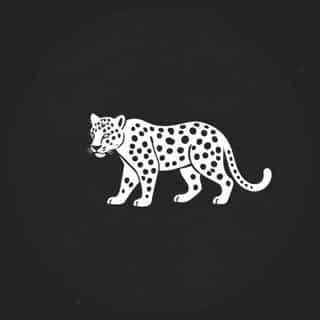
Among the rarest big cats in the world, the Amur leopard captivates conservationists and wildlife enthusiasts with its remarkable adaptability and elusive presence. Native to the Russian Far East and northeastern China, this critically endangered species is known for its beautiful, spotted coat, powerful build, and solitary nature. The Amur leopard’s continued existence hangs by a thread, making it a symbol of urgent wildlife preservation efforts. Understanding the outline of the Amur leopard from its physical features to its natural habitat and threats is vital to appreciating and protecting this majestic feline.
Physical Characteristics of the Amur Leopard
The Amur leopard (Panthera pardus orientalis) is a subspecies of the leopard distinguished by its thick fur and long limbs, adaptations developed to survive the harsh, cold environment of its habitat. It has a light cream-colored coat with widely spaced, dark rosettes. This unique coat helps it blend into snowy landscapes, enhancing its ability to hunt and avoid predators.
Key Features
- Body length: 100 to 136 cm (3.3 to 4.5 feet)
- Tail length: 82 to 90 cm (2.7 to 3 feet)
- Weight: 32 to 48 kg (70 to 105 lbs)
- Coat: Long, soft fur with dark spots
- Speed: Can run up to 37 miles per hour
Their powerful jaws, muscular build, and retractable claws make them expert hunters. Unlike many other large cats, Amur leopards can live and hunt in extremely cold climates, often facing sub-zero temperatures.
Natural Habitat and Distribution
The Amur leopard once roamed across a wide range including Korea, northeastern China, and parts of southeastern Russia. Today, its range has shrunk significantly due to human development and habitat fragmentation. The majority of the remaining wild population resides in the Russian Far East, especially within the Land of the Leopard National Park.
Habitat Characteristics
- Temperate forests with cold winters
- Mountainous terrain and river valleys
- Remote, sparsely populated regions
This leopard prefers areas with dense forest cover, which provides ideal conditions for stalking prey and staying hidden from threats. Its adaptability to cold climates gives it a unique advantage in this particular ecosystem.
Diet and Hunting Behavior
The Amur leopard is a carnivore and a solitary hunter. It relies on stealth and power to capture prey, often ambushing from behind or above. After a successful kill, it may drag the carcass into trees or hidden locations to avoid scavengers.
Typical Prey
- Roe deer
- Sika deer
- Hares
- Wild boar
- Small mammals and birds
These leopards hunt mainly at night and rely heavily on their acute senses of sight and hearing. They can leap long distances and use their agility to pursue prey through rugged terrain.
Reproduction and Life Cycle
Amur leopards are solitary animals except during mating season. Mating usually occurs in late winter, and females give birth after a gestation period of about 90-105 days.
Reproductive Traits
- Breeding season: Late winter
- Gestation: Around 3 months
- Litter size: 1 to 4 cubs
- Cub dependency: Up to 2 years
Cubs are born blind and vulnerable. They stay with their mother for about two years, during which she teaches them hunting and survival skills. Male leopards do not participate in cub-rearing. The average lifespan of an Amur leopard in the wild is 10 to 15 years, but in captivity, they can live up to 20 years.
Threats to Survival
The Amur leopard is listed as Critically Endangered by the IUCN. It faces numerous threats that have drastically reduced its population over the past decades. These threats are mainly human-induced and require urgent attention.
Major Threats
- Poaching: Hunted for its beautiful coat and body parts used in traditional medicine
- Habitat Loss: Logging, agriculture, and infrastructure development reduce its territory
- Prey Depletion: Reduction of deer and other herbivores due to human hunting
- Inbreeding: A small population size increases genetic vulnerability
- Wildfires: Fires destroy vegetation and affect the ecosystem balance
The estimated wild population of the Amur leopard is believed to be fewer than 120 individuals. Such a small number makes the species highly vulnerable to extinction from disease, climate change, or sudden environmental changes.
Conservation Efforts
Conservationists and governments have taken multiple steps to protect the remaining population and restore their habitat. Russia established the Land of the Leopard National Park in 2012, which now protects around 60% of the species’ habitat in the wild.
Key Conservation Strategies
- Anti-poaching patrols and law enforcement
- Monitoring and tracking of individuals using camera traps
- Habitat restoration and protection
- Captive breeding programs
- Cross-border cooperation with China
Organizations like WWF, Panthera, and local agencies are deeply involved in these efforts. Captive breeding and potential reintroduction into protected wild areas are also being explored as options to expand the population base.
Role in Ecosystem
The Amur leopard plays a vital role in maintaining a balanced ecosystem. As an apex predator, it helps regulate the populations of herbivores, ensuring that plant life is not overgrazed. Its presence indicates a healthy, functioning forest environment.
Ecological Importance
- Controls prey populations
- Contributes to biodiversity
- Supports food chain balance
Protecting the Amur leopard also ensures the conservation of many other species that share its habitat. Conservation of this single species leads to the preservation of an entire ecosystem.
Public Awareness and Education
Raising awareness about the plight of the Amur leopard is critical. Educational programs, documentaries, and community involvement help bridge the gap between people and wildlife. By learning about the leopard, people are more likely to support its protection.
How People Can Help
- Support wildlife conservation organizations
- Spread awareness on social media and local communities
- Promote responsible tourism in protected areas
- Advocate for stronger environmental policies
Every action, no matter how small, contributes to a larger global effort to ensure the survival of this remarkable animal.
The Amur leopard is more than just a beautiful animal it is a symbol of nature’s fragility and resilience. With fewer than 120 left in the wild, this big cat urgently needs attention, care, and protection. Understanding the outline of the Amur leopard its size, behavior, habitat, and the threats it faces is the first step toward ensuring it remains part of our natural world for generations to come. Through cooperation, conservation, and awareness, we can help give the Amur leopard a future worth fighting for.