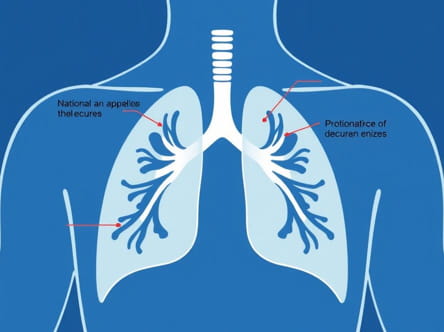
Pleural effusion is a medical condition characterized by the accumulation of excess fluid in the pleural space, the thin cavity between the lungs and the chest wall. This buildup can impair normal lung function, leading to symptoms such as shortness of breath, chest pain, and coughing. Understanding the etiological factors of pleural effusion is essential for accurate diagnosis, effective treatment, and management of underlying conditions. Pleural effusions can arise from a wide range of causes, including infections, heart and kidney disorders, malignancies, and inflammatory diseases. Exploring these etiological factors helps clinicians identify the root cause and tailor appropriate interventions for each patient.
Classification of Pleural Effusion
Pleural effusions are broadly classified into transudative and exudative types, based on the composition of the fluid and the underlying pathophysiology. Transudative effusions result from systemic factors that alter hydrostatic or oncotic pressures, causing fluid to leak into the pleural space. Exudative effusions, on the other hand, arise from local factors such as inflammation, infection, or malignancy, which increase vascular permeability. Differentiating between these two types is crucial for identifying the etiology and guiding management strategies.
Transudative Pleural Effusion
Transudative effusions are commonly associated with conditions that disrupt the balance of pressures within the circulatory system. One of the most frequent causes is congestive heart failure, where increased hydrostatic pressure in the pulmonary circulation pushes fluid into the pleural space. Another important cause is cirrhosis of the liver, which leads to hypoalbuminemia and reduced oncotic pressure, allowing fluid accumulation. Nephrotic syndrome is also a notable etiological factor, as significant protein loss in the urine decreases plasma oncotic pressure, contributing to transudative effusions.
Exudative Pleural Effusion
Exudative effusions are typically linked to localized processes that damage pleural membranes or increase vascular permeability. Infections such as bacterial pneumonia can result in parapneumonic effusions, where inflammatory cells and protein-rich fluid accumulate. Tuberculosis is another common infectious cause, particularly in regions with high prevalence, leading to chronic pleural effusions. Malignancies, including lung cancer, breast cancer, and lymphoma, can cause exudative effusions through direct tumor invasion or obstruction of lymphatic drainage. Autoimmune and inflammatory conditions such as rheumatoid arthritis and systemic lupus erythematosus also contribute to pleural fluid accumulation through inflammatory processes.
Cardiovascular Etiological Factors
Cardiovascular disorders are a significant source of pleural effusion. Congestive heart failure, particularly left-sided heart failure, increases pulmonary venous pressure, resulting in transudation of fluid into the pleural space. Pericardial diseases, such as constrictive pericarditis, can also impair cardiac function and contribute to fluid accumulation. In addition, pulmonary embolism may lead to pleural effusion through increased capillary pressure and localized inflammation, often resulting in exudative fluid. Recognizing cardiovascular contributions is essential for accurate diagnosis and effective management of pleural effusions.
Renal and Hepatic Causes
Renal and hepatic disorders play a vital role in the development of pleural effusions. Chronic kidney disease and nephrotic syndrome reduce plasma oncotic pressure due to protein loss, promoting transudation of fluid into the pleural cavity. Hepatic cirrhosis can lead to ascites and hepatic hydrothorax, where fluid translocates from the abdomen to the pleural space, most commonly on the right side. Management of these effusions often requires addressing the underlying organ dysfunction along with supportive measures to relieve symptoms.
Infectious Etiologies
Infections are a leading cause of exudative pleural effusions. Bacterial infections, including pneumonia and empyema, cause inflammation of the pleura and accumulation of protein-rich fluid. Viral infections may also lead to pleural effusion, though typically milder and self-limiting. Tuberculosis is a major global cause of pleural effusions, especially in endemic areas, and often presents with chronic symptoms such as fever, night sweats, and weight loss. Identifying infectious causes is critical for initiating timely antimicrobial therapy and preventing complications.
Malignancy-Related Effusions
Malignancies are another important etiological factor for pleural effusion, particularly in adults over the age of 50. Primary lung cancer is a frequent cause, often leading to large exudative effusions. Metastatic cancers, including breast cancer, lymphoma, and ovarian cancer, may also invade the pleural space or obstruct lymphatic drainage, resulting in fluid accumulation. Malignant effusions are often recurrent and may require both systemic cancer therapy and local interventions such as thoracentesis or pleurodesis for symptom relief.
Autoimmune and Inflammatory Disorders
Autoimmune and inflammatory conditions can cause pleural effusions through immune-mediated damage to pleural membranes. Rheumatoid arthritis may result in chronic exudative effusions due to persistent inflammation, while systemic lupus erythematosus can lead to pleuritis and fluid accumulation. Other inflammatory disorders, such as sarcoidosis, can also involve the pleura, contributing to effusion formation. In these cases, treatment often includes immunosuppressive therapy along with symptomatic management.
Traumatic Causes
Trauma is an additional factor in the etiology of pleural effusion. Blunt or penetrating chest injuries can lead to hemothorax, a type of pleural effusion containing blood. Surgical procedures, especially thoracic or cardiac surgery, may also result in postoperative pleural effusions due to local inflammation, lymphatic disruption, or fluid shifts. Prompt recognition of traumatic causes is essential to prevent complications such as infection or compromised lung function.
Diagnostic Considerations
Accurate identification of the etiological factors of pleural effusion requires a combination of clinical assessment, imaging, and laboratory testing. Chest X-rays and ultrasound can detect the presence and volume of effusion, while CT scans provide detailed anatomical information. Thoracentesis, the extraction of pleural fluid, allows for analysis of protein, lactate dehydrogenase, cell counts, microbiology, and cytology, helping differentiate transudative from exudative effusions and identify specific causes. Understanding the etiology guides both therapeutic decisions and prognosis.
Management Strategies
Management of pleural effusion focuses on treating the underlying cause while relieving symptoms. Transudative effusions often resolve with treatment of the primary condition, such as heart failure or cirrhosis, whereas exudative effusions may require targeted therapy for infection, malignancy, or inflammation. Symptomatic management may include thoracentesis to remove fluid, chest tube placement for recurrent effusions, and pleurodesis to prevent recurrence in malignant cases. Multidisciplinary care is essential for optimal outcomes.
Pleural effusion arises from a diverse range of etiological factors, including cardiovascular, renal, hepatic, infectious, malignant, autoimmune, and traumatic causes. Differentiating between transudative and exudative effusions is crucial for identifying the underlying mechanism and guiding treatment. Comprehensive assessment using clinical evaluation, imaging, and laboratory testing allows for accurate diagnosis and effective management. Understanding the etiological factors of pleural effusion not only facilitates targeted therapy but also improves patient outcomes by addressing the root cause of fluid accumulation. Clinicians must consider the wide spectrum of potential causes to ensure timely intervention and prevent complications associated with pleural effusion.
By exploring the various etiological factors and integrating diagnostic and therapeutic strategies, healthcare providers can offer comprehensive care for patients with pleural effusion, ultimately improving quality of life and long-term health outcomes.