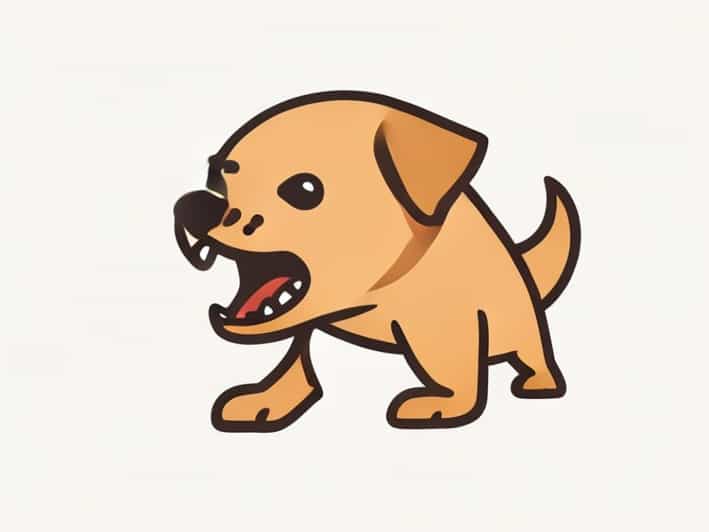
It can be concerning when a puppy starts snarling and snapping whenever you try to pick them up. This behavior is not uncommon in young dogs, but it often indicates that the puppy is feeling scared, uncomfortable, or unsure about being handled. Understanding why a puppy reacts this way is essential for both safety and long-term behavioral development. Addressing this issue early with patience, proper handling techniques, and positive reinforcement can prevent future aggression and help your puppy build confidence in human interaction. Awareness of the causes and solutions allows owners to create a safe and trusting environment for their young dog.
Reasons Puppies Snarl and Snap When Picked Up
Several factors can contribute to a puppy snarling or snapping when handled. Recognizing the root cause is key to addressing the behavior effectively. Puppies are still learning boundaries, and their reactions often reflect fear, discomfort, or lack of socialization.
Fear and Anxiety
Fear is one of the most common reasons a puppy may snarl or snap. Being picked up can feel threatening or unfamiliar, especially if the puppy has had negative experiences with handling. Puppies that were not properly socialized as young animals may also develop heightened anxiety when lifted off the ground. Fear-based snapping is usually accompanied by other body language signals, such as tucked tails, flattened ears, or trembling.
Discomfort or Pain
Puppies may also react aggressively if they are experiencing physical discomfort or pain. Conditions such as joint issues, injuries, or even minor muscle soreness can make being lifted an unpleasant experience. If a puppy consistently snaps when picked up, a veterinary check-up may be necessary to rule out health issues that could be causing discomfort.
Lack of Socialization
Puppies that have not been gently handled or exposed to human interaction during early development may not understand that being picked up is safe. Lack of positive experiences with touch can lead to fear responses. Socialization helps puppies become accustomed to handling, and without it, they may resort to snapping as a defense mechanism.
Territorial or Possessive Behavior
In some cases, puppies may exhibit protective behavior over their space or personal belongings. Being picked up may be interpreted as a threat to their safety or control over their environment. This behavior is often more common in certain breeds or in puppies with strong instincts for guarding their territory.
Recognizing Warning Signs
Before a puppy snaps or snarls, there are often subtle cues indicating discomfort or fear. Recognizing these warning signs can help prevent escalation and ensure safe handling.
Body Language Cues
- Tucked tail or low body posture
- Flattened ears or wide eyes
- Growling or lip curling
- Attempting to pull away or stiffen the body
- Pacing or avoiding contact
Understanding Context
Pay attention to when and where the behavior occurs. A puppy may react differently in a quiet home environment compared to a busy setting with loud noises or unfamiliar people. Observing patterns can help identify triggers and guide training strategies.
Training and Behavior Modification
Addressing snarling and snapping behavior requires consistent, patient training and positive reinforcement. Forcing a puppy into a position they dislike often exacerbates fear and aggression, so gradual desensitization is recommended.
Positive Reinforcement Techniques
- Use treats and praise when the puppy allows gentle handling.
- Start with brief touches and gradually progress to picking up for short durations.
- Reward calm behavior and relaxation during handling sessions.
- Associate being picked up with positive experiences, such as favorite toys or meals.
Gradual Desensitization
Gradual desensitization involves slowly introducing the puppy to handling in a non-threatening way. Begin by petting the puppy near areas they are comfortable with, then gradually move toward gently lifting them. This process helps reduce fear and builds trust over time.
Consistency and Patience
Consistency is crucial when addressing snapping behavior. Everyone interacting with the puppy should follow the same approach to prevent confusion. Patience is also essential, as rushed or forceful handling can reinforce fear-based aggression rather than resolving it.
Safety Precautions for Owners
Handling a puppy that snarls and snaps requires extra caution to prevent injury to both the puppy and the handler. Using safe techniques and protective measures ensures a positive outcome.
Use Gentle Restraint
If the puppy must be picked up, support their body fully and move slowly. Avoid sudden movements that could startle them, and ensure the puppy feels secure throughout the process.
Protective Measures
- Wear long sleeves to reduce the risk of scratches or bites
- Use a towel to wrap the puppy if necessary, ensuring it does not cause additional stress
- Maintain calm body language and a soothing voice
Seek Professional Help
If the puppy’s snapping persists or escalates, consulting a professional dog trainer or behaviorist is recommended. Experienced trainers can develop customized behavior modification plans and help owners safely manage fear or aggression in puppies.
Building Trust and Confidence
The ultimate goal is to help the puppy feel secure and confident when being handled. Positive interactions, gentle training, and consistent routines contribute to a strong bond between the puppy and owner. Over time, puppies that initially snarl and snap can learn to enjoy being picked up and handled without fear or aggression.
Early Socialization
Early and positive socialization plays a critical role in preventing fear-based snapping. Exposing puppies to gentle handling, new environments, and different people helps them develop confidence and reduces stress during interactions.
Creating Positive Associations
Pairing handling with enjoyable experiences like treats, play, or affection helps the puppy associate being picked up with positive outcomes. Reinforcing calm behavior encourages relaxation and reduces fear responses.
Puppies that snarl and snap when picked up are often expressing fear, discomfort, or lack of socialization. Understanding the underlying causes is essential for safe handling and effective behavior modification. Through gradual desensitization, positive reinforcement, and consistent training, owners can help their puppies feel comfortable and secure when being picked up. Recognizing warning signs, implementing safety precautions, and seeking professional guidance when necessary ensures that interactions are safe for both the puppy and the handler. With patience and care, puppies can overcome fear-based aggression, build trust with their owners, and enjoy positive experiences during handling and daily care.