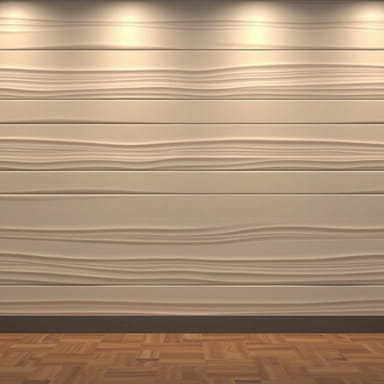
Seepage problems can cause serious damage to interior walls if not addressed properly. Water infiltration often leads to unsightly stains, mold growth, foul odors, and structural deterioration. A practical and long-lasting solution to this issue is the use of PVC wall panels for seepage. These panels are specifically designed to create a protective barrier that resists moisture, making them ideal for damp-prone areas such as basements, bathrooms, kitchens, and utility rooms. Easy to install and maintain, PVC wall panels provide both functionality and aesthetic improvement to affected walls.
Understanding PVC Wall Panels
PVC, or polyvinyl chloride, is a synthetic plastic polymer widely used in construction due to its water resistance, durability, and affordability. PVC wall panels are flat sheets made of this material, designed to be attached directly to walls or over existing surfaces. Unlike paint or wallpaper, PVC panels provide a physical shield that blocks water from seeping through the wall, making them especially effective in areas exposed to continuous moisture.
Core Features of PVC Wall Panels
- 100% waterproof and moisture resistant
- Non-porous surface that prevents mold and mildew
- Easy to clean and maintain
- Lightweight and easy to install
- Available in various textures, patterns, and colors
Why Use PVC Wall Panels for Seepage Control
Seepage can be caused by water leaking through exterior walls, rising damp from the foundation, or plumbing failures. While temporary solutions like paint or sealants may mask the problem for a while, PVC wall panels provide a more robust approach by shielding the wall completely from moisture exposure.
These panels not only stop the visual damage caused by seepage but also create a healthier indoor environment by preventing mold spores from developing. Since PVC is non-absorbent, it does not retain moisture, making it far superior to conventional wall coverings in high-moisture areas.
Benefits for Seepage-Prone Walls
- Stops water marks and peeling paint
- Eliminates damp smell in closed spaces
- Prevents fungus and bacteria from thriving
- Reduces maintenance and repair costs
- Improves interior wall appearance
Installation Process
Installing PVC wall panels is relatively simple and can be completed by professionals or DIY enthusiasts. Panels can be mounted directly onto bricks, concrete, plaster, or even existing tiles. The interlocking system used by most PVC panels ensures a tight and seamless fit, making the installation quick and clean.
Basic Steps of Installation
- Prepare the wall: Clean the surface and remove any loose material or old wallpaper.
- Measure and cut panels: Use a sharp utility knife or saw to cut the panels to fit your wall dimensions.
- Apply adhesive or install with screws: Use waterproof adhesive or fasten panels with screws, depending on the substrate.
- Join panels: Use the tongue-and-groove edges to snap the panels together securely.
- Finish edges: Apply edge trims or corner profiles for a neat and professional look.
Ideal Areas for Use
PVC wall panels for seepage are suitable in many different locations where moisture is a concern. From residential properties to commercial buildings, they offer versatility and protection. These panels are particularly valuable in older buildings where water ingress may be more frequent due to aged structures or poor external sealing.
Common Applications
- Basement walls with recurring dampness
- Bathrooms with poor ventilation
- Kitchens where steam and spills are common
- Laundry and utility rooms
- Industrial or commercial spaces exposed to water
Maintenance and Cleaning
One of the greatest advantages of PVC wall panels is how easy they are to clean and maintain. Since the surface is smooth and non-porous, dirt and grime do not stick easily. Regular cleaning with a soft cloth and mild detergent is enough to keep them looking fresh. Unlike painted walls, these panels do not require frequent touch-ups or repainting.
Cleaning Tips
- Use a damp cloth or sponge to wipe the surface
- Avoid using abrasive scrubbers or harsh chemicals
- Dry the surface after cleaning to maintain the shine
- Check joints occasionally to ensure proper sealing
Comparing PVC Panels to Other Wall Treatments
While there are several ways to address wall seepage, PVC wall panels stand out for their longevity and effectiveness. Paints and waterproof coatings often wear off or crack over time. Tiles may work well, but they are more expensive and require grouting, which can be vulnerable to mold and stains.
PVC panels offer a balanced solution by being cost-effective, long-lasting, and easy to install without major renovations. They also provide a modern look that can enhance the overall appearance of any space.
Comparison Table
- PVC Panels: Waterproof, easy to install, affordable, low maintenance
- Paint: Temporary fix, needs reapplication, not waterproof
- Tiles: Durable but expensive, grout maintenance needed
- Wallpapers: Unsuitable for damp walls, prone to peeling
Design and Aesthetic Appeal
Modern PVC wall panels come in a variety of finishes including wood grain, marble, matte, glossy, and textured surfaces. These design options allow homeowners to select panels that match their interior theme without compromising on functionality. This makes them not just a utility solution, but also a decorative feature that enhances room aesthetics.
By covering unsightly damp patches with stylish panels, you can easily transform the ambiance of a room without having to go through messy wall repairs or painting projects.
Environmental and Safety Considerations
High-quality PVC panels are manufactured to be environmentally friendly and safe for indoor use. Most modern panels are free from harmful substances like lead or mercury. They are also fire-retardant and resistant to chemical exposure, making them a secure option for both residential and industrial settings.
For added peace of mind, many manufacturers now offer recyclable PVC materials that reduce the overall environmental impact when the panels are eventually replaced.
Safety Highlights
- Lead-free and non-toxic composition
- Fire-retardant and chemical-resistant
- Low VOC emissions for indoor air quality
- Recyclable and eco-conscious options available
Cost and Value
While the initial investment in PVC wall panels may be slightly higher than painting, the long-term value they offer far outweighs the cost. With reduced maintenance, better protection against moisture, and a longer lifespan, homeowners can actually save money over time by avoiding repeated wall treatments or repairs.
Moreover, PVC panels can add to the resale value of a home, particularly if moisture issues have been a known concern in the past. A neat, moisture-resistant wall system gives buyers more confidence in the condition of the property.
PVC wall panels for seepage offer an efficient and durable solution for preventing moisture damage in interior spaces. Their water resistance, ease of installation, and low maintenance make them a smart choice for homeowners and builders alike. Whether you’re dealing with chronic damp issues or simply want a more modern and reliable wall finish, PVC panels provide both functional protection and aesthetic value. As awareness of seepage control grows, these panels are quickly becoming a preferred option for maintaining dry, clean, and attractive living environments.