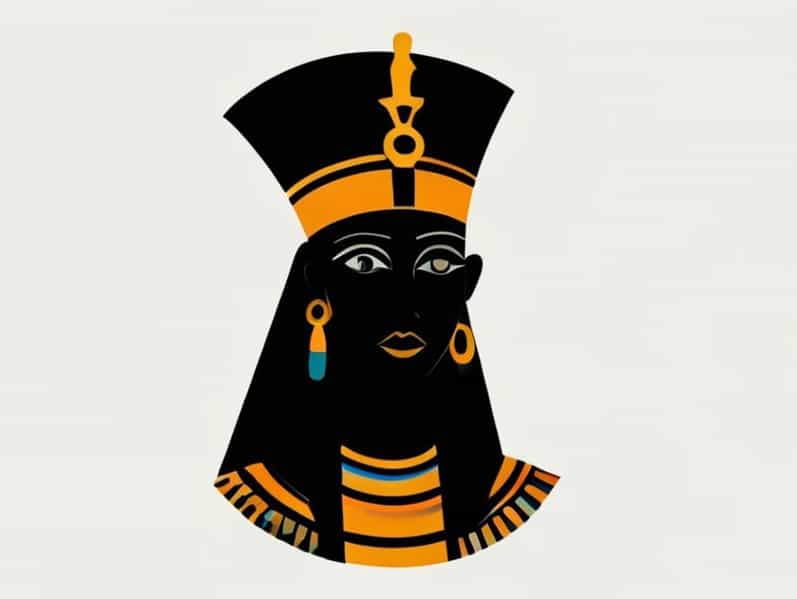
Queen Tiye, wife of Amenhotep III, stands as one of the most influential and fascinating women of ancient Egypt. Unlike many royal women whose lives remain shadowy, Queen Tiye left a strong historical presence through monuments, inscriptions, and diplomatic records. Her role went far beyond ceremonial duties, shaping politics, religion, and royal ideology during one of Egypt’s most prosperous periods. Understanding her life offers valuable insight into the power dynamics of the Eighteenth Dynasty and the changing role of queenship in ancient Egyptian society.
The Historical Context of Queen Tiye’s Life
Queen Tiye lived during the Eighteenth Dynasty, a golden age of ancient Egypt marked by wealth, stability, and international influence. Her husband, Amenhotep III, ruled for nearly four decades and oversaw a time of peace, monumental building, and cultural flourishing.
Unlike earlier periods dominated by military expansion, this era focused on diplomacy, trade, and artistic expression. Queen Tiye emerged as a central figure in this environment, helping define the image of royal authority and continuity.
Origins and Family Background
One of the most remarkable aspects of Queen Tiye’s story is her non-royal origin. She was born to Yuya and Thuya, a powerful and respected couple, but not members of the royal family. Her father held important religious and military titles, while her mother was associated with temple rituals.
This background highlights that Queen Tiye rose to prominence based on personal influence and ability rather than royal blood, a rare occurrence in ancient Egypt.
The Significance of Her Marriage
Amenhotep III married Tiye early in his reign, and she quickly became his Great Royal Wife. Unlike secondary wives, Tiye was prominently displayed in art and inscriptions, often appearing alongside the king as an equal partner.
This public recognition suggests a deep personal and political bond between the royal couple.
Queen Tiye’s Role as Great Royal Wife
As the Great Royal Wife, Queen Tiye held exceptional authority. She participated in religious ceremonies, appeared in official reliefs, and was named in royal proclamations. Her name was frequently included in inscriptions that traditionally mentioned only the king.
This visibility reflected a shift in how queenship was perceived, moving toward a more active and influential role.
Political Influence and Diplomacy
Queen Tiye’s influence extended into international affairs. Foreign rulers recognized her authority and addressed diplomatic correspondence directly to her. Letters from neighboring kingdoms show that she was consulted on political matters even during her husband’s reign.
A Trusted Advisor
Amenhotep III clearly trusted Queen Tiye’s judgment. Her involvement in diplomacy demonstrates that she was not merely symbolic but actively engaged in statecraft. This level of political influence was exceptional for a queen of her time.
Her authority continued even after Amenhotep III’s health declined, suggesting she played a stabilizing role during the later years of his reign.
Religious Importance of Queen Tiye
Religion was central to Egyptian life, and Queen Tiye played an important part in religious practices. She was closely associated with major deities, particularly Hathor and Isis, goddesses connected to motherhood, power, and protection.
Her representation in religious contexts reinforced the divine legitimacy of the royal family.
Connection to Solar Worship
During Amenhotep III’s reign, solar worship gained prominence. Queen Tiye appeared in imagery linked to the sun god, symbolizing harmony between royal authority and divine order. This religious symbolism later influenced the religious changes under her son.
Queen Tiye as Mother of a Future Pharaoh
Queen Tiye was the mother of Amenhotep IV, later known as Akhenaten. Her influence likely shaped his worldview and approach to kingship. Growing up under the guidance of a powerful and intelligent mother may have contributed to his willingness to challenge tradition.
Although Akhenaten’s reign is often seen as revolutionary, its foundations can be traced to the intellectual and religious environment fostered during Queen Tiye’s lifetime.
Artistic Representation and Iconography
Queen Tiye’s depiction in art is another testament to her importance. She was often portrayed at the same scale as the king, an unusual practice that emphasized her equal status. Sculptures and reliefs show her with distinctive features, suggesting that realism was valued in her portrayal.
Her likeness appears in statues, temple reliefs, and small household objects, indicating widespread recognition.
Later Life and Continued Influence
Even after the death of Amenhotep III, Queen Tiye remained influential. She lived into the early years of her son’s reign and continued to appear in diplomatic correspondence and official records.
Her presence during this transitional period helped maintain continuity as Egypt moved into a time of religious and political change.
Burial and Archaeological Evidence
Queen Tiye’s burial adds another layer to her historical significance. Her mummy was identified in the Royal Cache at Deir el-Bahri, and modern studies have confirmed her identity through forensic and genetic analysis.
The preservation of her remains allows historians to better understand royal burial practices and family relationships within the Eighteenth Dynasty.
Legacy of Queen Tiye
The legacy of Queen Tiye lies in her redefinition of queenship. She demonstrated that a queen could be a political actor, religious symbol, and diplomatic authority. Her life challenged traditional boundaries and set a precedent for later royal women.
- Expanded the political role of queens
- Influenced religious developments
- Shaped the upbringing of a transformative pharaoh
Her impact extended far beyond her lifetime.
Why Queen Tiye Remains Important Today
Modern historians and scholars continue to study Queen Tiye because she represents a powerful female figure in a male-dominated ancient world. Her life provides valuable insight into gender, power, and leadership in ancient Egypt.
She reminds us that influence does not always come from birthright, but from intelligence, presence, and the ability to shape events.
Queen Tiye, wife of Amenhotep III, was far more than a royal consort. She was a political partner, religious figure, and influential mother whose presence shaped one of the most significant periods in ancient Egyptian history. Through diplomacy, symbolism, and leadership, she redefined the role of queenship and left a lasting legacy that continues to fascinate scholars and history enthusiasts alike. Her story stands as a powerful example of female authority in the ancient world.