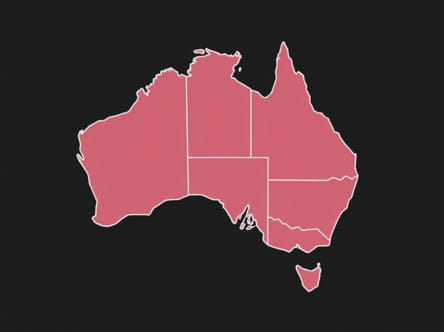
Queensland, one of Australia’s most dynamic and diverse states, plays a vital role in the country’s federal political system. With a growing population and vast geographic reach, the state’s representation in the federal government is divided into multiple electorates, each with its own unique characteristics. Understanding the Queensland Federal Electorate Map is crucial for anyone interested in Australian politics, civic participation, or governance. This electoral landscape is shaped by geography, population distribution, and political history, making it an essential subject of study for voters, researchers, and policymakers alike.
Overview of Queensland’s Federal Electorates
Electoral Representation in the House of Representatives
Queensland is represented in the Australian House of Representatives through several electoral divisions, commonly referred to as electorates or seats. Each electorate elects one member to represent them in the federal parliament. The number of electorates in Queensland may change over time based on population shifts, as determined by the Australian Electoral Commission (AEC).
As of the most recent distribution, Queensland contains 30 federal electorates. These are periodically reviewed to ensure fair and equal representation across regions, in accordance with Australia’s commitment to democratic principles and population-based representation.
Geographical Diversity
Queensland’s federal electorates cover a wide range of geographical zones, from densely populated urban centers like Brisbane to remote and sparsely populated rural and regional areas such as the far north and outback regions. This diversity has a significant impact on voting behavior, political priorities, and representation in federal politics.
Urban Electorates in Queensland
Greater Brisbane Area
The Brisbane metropolitan area is home to several key electorates. These include
- BrisbaneEncompassing the city center and surrounding suburbs, this electorate is often seen as a political battleground due to its mixed demographic profile.
- GriffithLocated south of the Brisbane River, this seat has been notable for its high-profile representatives.
- LilleyCovering Brisbane’s northern suburbs, Lilley has historically been a marginal seat, with frequent shifts in political control.
- RyanAn affluent and predominantly suburban area to the west of Brisbane, often considered a safe seat for the Liberal National Party.
Urban electorates in Brisbane tend to focus on issues such as public transport, infrastructure, housing affordability, education, and environmental concerns.
Regional and Rural Electorates
Wide-Bay and Coastal Regions
Moving away from the capital, electorates such as Wide Bay, Hinkler, and Flynn represent the coastal and hinterland communities. These areas are known for agriculture, tourism, and small industries. Political campaigns in these electorates often center on regional development, healthcare access, and job creation.
Central and Northern Queensland
Farther north, electorates like Dawson, Herbert, and Kennedy cover vast and diverse territories. Kennedy, one of the largest electorates in Queensland, stretches from the outback to the Coral Sea. These areas often prioritize resource management, Indigenous affairs, infrastructure investment, and rural services.
- HerbertCentered around Townsville, this electorate is known for its focus on defense, regional development, and economic diversification.
- DawsonSpanning a coastal region including Mackay, this electorate often swings based on employment and mining policies.
Western and Outback Regions
Electorates such as Maranoa cover the western inland regions of Queensland. Maranoa is among the most geographically expansive electorates in the state and is known for its strong agricultural base and conservative voting patterns. Policy concerns here include drought assistance, water rights, and rural health services.
Electoral Boundaries and Redistribution
The Role of the Australian Electoral Commission
The Australian Electoral Commission (AEC) is responsible for defining and reviewing electoral boundaries. Redistributions are conducted every seven years or sooner if population shifts warrant adjustments. These reviews ensure that each federal electorate contains approximately the same number of voters, upholding the principle of one vote, one value.
Criteria for Redistribution
When redrawing boundaries, the AEC considers
- Population equality across electorates
- Community of interest, including economic, social, and regional ties
- Geographic features and communication patterns
- Existing boundaries and ease of access
Redistributions can have significant political consequences, as changes in boundaries may affect the demographic makeup and voting tendencies of an electorate.
Political Trends and Electoral Behavior
Safe vs Marginal Seats
Queensland’s electorates can be broadly categorized into safe seats and marginal seats. Safe seats are those where one political party consistently wins by a large margin, while marginal seats are closely contested and often determine the outcome of federal elections.
- Safe LNP seatsMaranoa, Groom, and Dawson
- Labor strongholdsRankin, Oxley, and Blair
- Marginal electoratesBrisbane, Longman, and Leichhardt
Understanding which electorates are marginal helps explain where political parties concentrate their campaign efforts, policy promises, and media outreach.
Impact of Demographic Shifts
As Queensland’s population continues to grow and shift, particularly in the southeast corner, the political landscape evolves. Suburban sprawl, migration from other states, and generational changes contribute to changing voter attitudes and political allegiances. Suburbs once considered conservative strongholds are seeing rising support for progressive parties, while regional areas remain deeply rooted in traditional economic concerns.
Mapping Tools and Accessibility
Interactive Electorate Maps
To help voters and researchers better understand the Queensland Federal Electorate Map, interactive digital tools are available via official government websites. These maps allow users to search by postcode, suburb, or electorate name, providing details about the elected representative, polling places, and historical voting data.
Importance of Accurate Mapping
Accurate and up-to-date maps are essential for ensuring voters know which electorate they belong to, where they should vote, and who represents them in parliament. Electoral maps are also a critical tool for analysts and journalists covering election trends and outcomes.
The Queensland Federal Electorate Map is a foundational element of the state’s participation in Australian democracy. It defines political boundaries, influences electoral strategy, and ensures fair representation for the people of Queensland. By understanding the structure, dynamics, and significance of these electorates, citizens can make informed decisions, engage meaningfully with their government, and uphold the principles of representative democracy. Whether you’re a voter, student, or observer of Australian politics, a clear grasp of Queensland’s federal electorates will deepen your appreciation of how this vibrant state contributes to the national political framework.