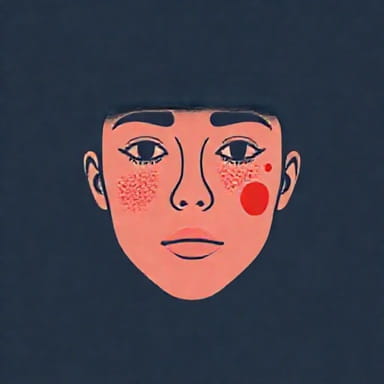
Developing a red pimply rash on the face can be both distressing and uncomfortable, often prompting individuals to seek immediate medical guidance. Such rashes are characterized by small, raised, red bumps that may be itchy, inflamed, or even painful. The appearance of these pimples can vary depending on the underlying cause, and they may appear suddenly or develop gradually over time. Understanding the potential triggers, symptoms, and treatment options for a red pimply rash on the face is essential for proper management and skin health.
Common Causes of Red Pimply Rash on Face
Red pimply rashes on the face can result from a variety of factors, including skin conditions, infections, allergic reactions, and environmental triggers. Identifying the root cause is crucial for effective treatment.
Acne Vulgaris
Acne is one of the most common causes of a red pimply rash on the face, especially in teenagers and young adults. It occurs when hair follicles become clogged with oil, dead skin cells, and bacteria, leading to inflammation. Red pimples, blackheads, and whiteheads are typical manifestations of acne. Hormonal changes, stress, and certain cosmetics can exacerbate the condition.
Rosacea
Rosacea is a chronic inflammatory skin condition that primarily affects the face. It often presents as redness, flushing, and pimples that resemble acne. Triggers such as spicy foods, alcohol, sunlight, and stress can aggravate rosacea, causing flare-ups and persistent redness with small pimples.
Allergic Reactions
Exposure to allergens, such as certain skincare products, cosmetics, or environmental factors, can lead to contact dermatitis. This allergic reaction may cause red, pimply, and itchy rashes on the face. Sometimes, repeated exposure to the allergen can worsen the rash, making it appear more inflamed and persistent.
Fungal Infections
Fungal infections, such as those caused by yeast overgrowth, can result in red, bumpy rashes on the face. These rashes are often itchy and may appear in areas like the cheeks, around the nose, or under the eyebrows. Conditions like pityrosporum folliculitis can mimic acne but are caused by fungal rather than bacterial activity.
Heat Rash
Also known as miliaria, heat rash occurs when sweat ducts become blocked, causing red, itchy bumps. This type of rash is common in hot and humid conditions and can affect areas of the face that sweat excessively, such as the forehead and cheeks. It is often temporary and resolves once the skin cools and dries.
Symptoms Associated with Red Pimply Rash on Face
Understanding the symptoms can help distinguish between different causes of facial rashes. Key symptoms to look for include
- Small red or pink bumps that may be raised or flat.
- Itching, burning, or stinging sensations.
- Redness or inflammation around the affected areas.
- Presence of pus or whiteheads in some cases.
- Dry or flaky skin surrounding the rash.
- Occasional swelling or tenderness in severe cases.
Diagnosis of Red Pimply Rash on Face
A healthcare professional, typically a dermatologist, can help determine the underlying cause of a red pimply rash on the face through a combination of examination and tests.
Physical Examination
Examining the affected areas allows the doctor to assess the rash’s distribution, texture, and severity. Observing patterns, such as symmetrical appearance or clustering, can provide clues to the underlying condition.
Medical History
Discussing recent exposures, skincare routines, medications, and family history of skin conditions helps identify potential triggers. Information about diet, stress, and hormonal changes may also be relevant.
Laboratory Tests
In some cases, additional tests may be required. Skin scrapings or cultures can detect fungal or bacterial infections. Allergy testing may identify contact allergens contributing to the rash. Blood tests may be performed if an autoimmune condition is suspected.
Treatment Options
Treatment for a red pimply rash on the face depends on the underlying cause. A combination of topical medications, oral therapies, and lifestyle adjustments is often recommended.
Topical Treatments
- Over-the-counter or prescription creams containing benzoyl peroxide, salicylic acid, or retinoids for acne.
- Topical antibiotics for bacterial infections.
- Corticosteroid creams for allergic or inflammatory rashes, used under medical supervision.
- Antifungal creams for fungal-related rashes.
Oral Medications
In more severe cases, oral medications may be necessary. Options include antibiotics for bacterial infections, antifungal medications for fungal conditions, or oral retinoids for severe acne. In certain inflammatory conditions like rosacea, oral medications such as doxycycline may reduce redness and pimples.
Lifestyle and Skincare Adjustments
Adopting a gentle skincare routine can help manage and prevent flare-ups
- Use mild, fragrance-free cleansers and moisturizers.
- Avoid harsh scrubbing or over-washing the face.
- Protect skin from excessive sun exposure with sunscreen.
- Identify and avoid known allergens or irritants.
- Maintain a healthy diet and manage stress levels.
When to Seek Medical Attention
Consult a healthcare professional if the red pimply rash persists, spreads, or worsens despite home care. Immediate medical attention is recommended if
- The rash is accompanied by pain, swelling, or pus.
- There are systemic symptoms like fever or malaise.
- The rash appears suddenly and spreads rapidly.
- Over-the-counter treatments fail to improve the condition.
Prevention of Red Pimply Rash on Face
Preventing facial rashes involves a combination of proactive skincare, avoiding triggers, and maintaining overall skin health. Consistent use of suitable skincare products, managing stress, protecting the skin from environmental factors, and seeking early treatment for skin issues can reduce the likelihood of developing a red pimply rash.
A red pimply rash on the face can arise from numerous causes, including acne, rosacea, allergic reactions, fungal infections, and heat rash. Proper identification of the underlying cause is critical for effective management. Topical treatments, oral medications, and lifestyle adjustments play a central role in treating facial rashes. Consulting a dermatologist ensures accurate diagnosis, personalized treatment, and guidance for long-term skin care. With timely intervention and proper care, most individuals can achieve relief from discomfort, improve skin appearance, and prevent recurrence, promoting overall facial skin health and confidence.