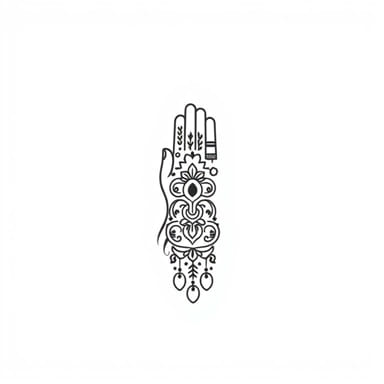
Mehndi, also known as henna, is an essential part of wedding traditions in many cultures, especially in South Asia and the Middle East. While it is most commonly associated with brides, the groom also participates in this beautiful custom. Bridegroom mehndi designs are typically simpler than bridal designs, but they carry deep symbolism and cultural significance. A simple bridegroom mehndi design focuses on elegance, masculinity, and meaning, blending traditional elements with modern preferences. These designs can enhance the groom’s appearance on his special day without being overly ornate.
The Cultural Importance of Mehndi for the Groom
Tradition and Symbolism
Applying mehndi is not only a decorative act but also a cultural ritual believed to bring good fortune and happiness. For grooms, mehndi represents blessings, love, and a connection to cultural roots. In many regions, such as India and Pakistan, there are separate ceremonies for the bride and groom to apply mehndi, often filled with music, laughter, and rituals. Even a simple bridegroom mehndi design can symbolize prosperity and a harmonious marriage.
Modern Trends in Groom Mehndi
Today’s grooms often seek mehndi designs that are minimal, clean, and masculine. Many prefer subtle patterns that reflect their personalities or interests. These modern mehndi patterns often incorporate meaningful symbols or initials rather than full-hand coverage. Despite being simpler than bridal mehndi, they hold deep personal and cultural relevance.
Features of a Simple Bridegroom Mehndi Design
Minimalistic Patterns
A simple design typically avoids complex floral patterns or dense fills. Instead, it focuses on small motifs placed strategically on the palms, fingers, or the back of the hand. Geometric lines, dots, and basic shapes are common. These patterns look sophisticated and do not overwhelm the groom’s overall appearance.
- Chevron or diagonal lines
- Small mandala designs
- Finger-tip detailing
- Vertical stripes or arches
Placement of Mehndi
Unlike brides, grooms often prefer to keep mehndi limited to certain areas. The palms are the most common location, followed by a few fingers or the wrist. Some grooms opt for designs on the back of the hand or a small symbol on the arm. This selective application keeps the design understated yet elegant.
Symbolic Elements
Many bridegroom mehndi designs include meaningful elements. These may include:
- Initials of the bride and groom
- Hearts or infinity symbols
- Religious symbols such as Om or Allah
- Wedding date or significant numbers
Popular Simple Bridegroom Mehndi Design Ideas
1. Mandala on the Palm
A classic and timeless design, the mandala features a circular pattern at the center of the palm. It symbolizes wholeness and unity, fitting themes for a wedding. Grooms often opt for a basic mandala with clean lines and minimal shading to keep the look subtle.
2. Tribal or Geometric Patterns
These designs use lines, triangles, and dots to create a balanced, masculine appearance. They can be applied to the back of the hand or along the fingers. Geometric mehndi patterns are often chosen for their symmetry and modern look.
3. Name or Initial Mehndi
One of the most personal and meaningful designs is incorporating the initials or names of the bride and groom into the mehndi. This can be done within a heart, under a line of dots, or embedded subtly within a larger design. It adds a romantic touch while keeping things simple.
4. Wrist Band Style
This design mimics the look of a bracelet or band around the wrist. It’s ideal for grooms who want something discrete that can be hidden under a sleeve if necessary. The wristband can include lines, chevrons, or symbolic elements like stars or anchors.
5. Minimal Finger Art
Some grooms prefer only the fingertips or single finger lines decorated. This ultra-minimal approach gives a nod to tradition while maintaining a sleek, contemporary feel. A tiny pattern on the ring finger, for example, can be quite meaningful and attractive.
How to Apply Simple Mehndi for Grooms
Preparation Tips
Before applying mehndi, ensure the skin is clean and free of lotion or oil. This helps the dye absorb more effectively. The groom should choose a design that reflects his style and complements his wedding outfit. Practice the design on paper if doing it at home, or consult a professional mehndi artist.
Application Process
Mehndi can be applied using a cone for precision. Since the designs are minimal, steady hands are crucial. Start from the center or wrist and move outward to avoid smudging. Allow the paste to dry completely before touching anything. A lemon and sugar solution can be dabbed gently over the design to enhance the stain’s darkness.
Post-Application Care
After the mehndi dries and is scraped off, avoid washing with water for several hours. Keeping hands warm can also deepen the stain. Natural oils like mustard or coconut oil can be applied to maintain the color and moisturize the skin.
Occasions to Wear Groom Mehndi
Pre-Wedding Ceremonies
Many cultures host a special mehndi night for the bride and groom separately or together. This is a festive event where friends and family gather to celebrate, sing, and apply mehndi. For grooms, this is the perfect opportunity to showcase a thoughtful and stylish design.
Wedding Day
On the wedding day, a simple bridegroom mehndi design adds a special cultural detail to the groom’s look. It’s a subtle but meaningful part of the ensemble, reflecting tradition and personal style.
Post-Wedding Celebrations
In some cultures, the mehndi remains visible during post-wedding events such as receptions or religious blessings. A minimal design ensures it blends naturally with both traditional and modern outfits.
Why Simple is Often Better
While elaborate bridal mehndi can take hours to apply and cover the entire arm, simple groom mehndi is quicker and often more versatile. It aligns better with masculine aesthetics and allows the groom to express culture and emotion without discomfort or excess. A clean and smart design is timeless and dignified, making it ideal for the modern bridegroom.
A simple bridegroom mehndi design is more than just decoration it’s a tribute to tradition, a gesture of love, and a symbol of union. Whether it’s a basic mandala, initials of a loved one, or a minimal band on the wrist, these designs carry elegance and depth. As modern grooms embrace their cultural identity with pride, simple mehndi continues to be a stylish and meaningful choice. Thoughtfully designed and carefully applied, it enhances the wedding experience and becomes a beautiful part of cherished memories.