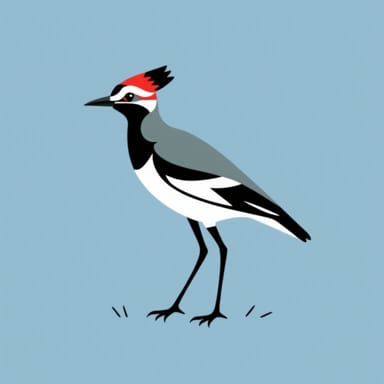
Once widespread across the Central Asian steppes, the Sociable Lapwing is now one of the rarest and most threatened birds in its range. This graceful wader, known for its striking plumage and strong migratory behavior, has faced dramatic population declines over recent decades. Conservationists and bird enthusiasts alike have turned their attention to the pressing issue of the Sociable Lapwing’s IUCN status. Understanding the current classification, threats, and ongoing efforts is crucial in raising awareness about the species’ precarious situation and encouraging global action for its survival.
Understanding the Sociable Lapwing
Species Overview
The Sociable Lapwing (Vanellus gregarius) is a small wading bird belonging to the family Charadriidae. It has a distinctive appearance with a black crown, white face, and brownish body marked with subtle streaks. Its long, slender legs and straight bill make it well-suited for foraging on open ground, particularly in dry grasslands and steppe habitats.
- Scientific name:Vanellus gregarius
- Family: Charadriidae (plovers and lapwings)
- Preferred habitats: Open grasslands, steppes, and semi-desert regions
- Breeding range: Central Asia, especially Kazakhstan
- Wintering range: Middle East, East Africa, Indian subcontinent
Migratory Behavior
Sociable Lapwings are long-distance migrants, with complex migratory routes stretching from Central Asia to as far as Sudan, India, and even parts of the Middle East. Their ability to cover vast distances makes them particularly vulnerable to habitat changes across multiple countries.
IUCN Red List Status
Critically Endangered
The Sociable Lapwing is currently listed asCritically Endangeredon the International Union for Conservation of Nature (IUCN) Red List. This classification represents the highest level of concern before a species is considered extinct in the wild.
- IUCN Red List Category: Critically Endangered (CR)
- Criteria: Rapid population decline, restricted breeding range, ongoing threats
- Global population estimate: Fewer than 5,000 mature individuals
This dramatic decline has alarmed conservationists and researchers, prompting detailed investigations into the root causes and the development of strategic conservation plans.
Key Threats to Survival
Habitat Loss and Agricultural Expansion
The primary threat to the Sociable Lapwing is habitat destruction, particularly in its breeding and stopover regions. The conversion of steppe grasslands into agricultural land, especially for wheat production, has significantly reduced the bird’s nesting grounds.
- Destruction of traditional steppe habitats
- Intensive farming and mechanized agriculture disrupting nesting sites
- Overgrazing by livestock impacting vegetation and soil stability
Even minor disruptions during the breeding season can lead to complete nesting failure, compounding the challenges faced by an already declining population.
Illegal Hunting
Along migratory routes and in wintering grounds, the Sociable Lapwing faces illegal hunting and poaching. In some regions, migratory birds are targeted for food or sport, and the Sociable Lapwing often becomes an unintended victim of such practices.
- Shot illegally during migration in parts of the Middle East
- Lack of enforcement of hunting regulations
- Limited awareness among local communities
This threat is particularly difficult to manage due to the bird’s transboundary movements and the need for international cooperation in law enforcement and awareness efforts.
Climate Change
Changes in climate patterns are affecting the availability of suitable habitats and food sources throughout the bird’s range. Drought, desertification, and irregular weather patterns can negatively impact breeding success and migration timing.
- Changing rainfall patterns affecting grassland vegetation
- Loss of ephemeral wetlands used as stopovers
- Delayed migration leading to mismatched breeding conditions
While not the most immediate threat, climate change remains a long-term concern that could further exacerbate existing pressures on the species.
Conservation Efforts and Research
International Collaboration
Due to the Sociable Lapwing’s wide migratory range, conservation efforts require international collaboration. Organizations such as BirdLife International, the Royal Society for the Protection of Birds (RSPB), and local NGOs are working together to track, protect, and advocate for the species.
- Satellite tagging of individual birds to understand migratory routes
- Surveys in breeding, stopover, and wintering areas
- Partnerships with local communities to reduce threats
Coordinated actions across multiple countries are essential to protect this globally threatened bird throughout its entire life cycle.
Habitat Management and Protection
Efforts to protect and restore steppe grasslands have been central to conservation strategies. In Kazakhstan and neighboring countries, protected areas have been established to conserve key breeding sites and raise awareness among farmers.
- Promoting steppe-friendly farming practices
- Restoration of degraded grasslands
- Engaging landowners in habitat preservation
These efforts aim to strike a balance between human development and the survival needs of the Sociable Lapwing.
Policy and Awareness
Raising awareness about the Sociable Lapwing’s plight is critical to driving policy changes. Governments are encouraged to implement and enforce wildlife protection laws, while educational campaigns inform the public and local communities.
- Workshops with local hunters and farmers
- Educational materials in schools near migratory corridors
- Inclusion of the species in national conservation lists
Policy-level support can help secure funding, strengthen regulations, and create a supportive environment for on-the-ground conservation work.
Why the Sociable Lapwing Matters
Indicator of Steppe Ecosystem Health
The Sociable Lapwing is not just a rare bird it serves as an indicator of the health of steppe ecosystems. Its presence signals balanced land use, biodiversity, and sustainable agricultural practices.
- Reflects overall biodiversity trends in grassland areas
- Highlights the impact of environmental changes on migratory species
- Draws attention to lesser-known but vulnerable ecosystems
By protecting the Sociable Lapwing, we are also safeguarding an entire suite of species and habitats that support ecological resilience and diversity.
Looking Ahead
The future of the Sociable Lapwing hinges on continued international cooperation, targeted conservation efforts, and increased public awareness. With fewer than 5,000 mature individuals remaining, time is of the essence. Protecting breeding grounds, ensuring safe migratory pathways, and engaging local communities are vital steps toward stabilizing and eventually increasing the population.
The critical IUCN status of this bird serves as a call to action. By acknowledging the threats and committing to strategic conservation, we can hope to see the Sociable Lapwing thrive once more across its native steppes and migratory landscapes.