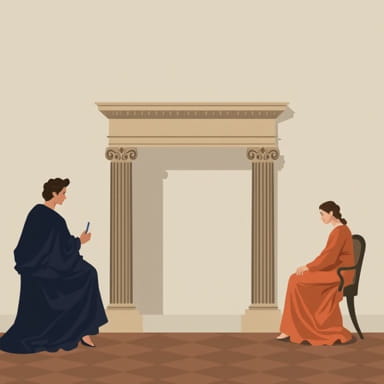
The transition between the Neoclassical and Romantic periods in art history represents a dramatic shift in ideals, techniques, and expressions. Both periods reflect unique social, political, and philosophical contexts that influenced the way artists produced and presented their work. While Neoclassicism emphasized harmony, rationality, and classical order, Romanticism broke away from those conventions to highlight emotion, imagination, and the sublime. Understanding the art production of these periods involves examining the key characteristics, iconic artists, subject matter, and the broader historical backdrop that shaped each movement’s creative output.
Historical Context of Neoclassicism and Romanticism
The Rise of Neoclassicism
Neoclassicism emerged in the mid-18th century as a response to the decorative Rococo style and as part of a larger cultural movement that looked to the classical art and philosophy of ancient Greece and Rome. It was closely linked to the Enlightenment, a period that emphasized reason, logic, and science. Archaeological discoveries such as the excavation of Pompeii and Herculaneum reignited interest in classical antiquity, inspiring a generation of artists and architects.
Romanticism as a Reaction
Romanticism developed in the late 18th century and reached its height in the early to mid-19th century. It was partly a reaction to the rigid structures of Neoclassicism and the Enlightenment’s rationalism. Romanticism focused on emotion, individualism, and the power of nature. The movement gained momentum during times of political upheaval, such as the French Revolution and the Napoleonic Wars, as artists sought new ways to express freedom and human experience.
Key Characteristics of Neoclassical Art Production
Formal Qualities and Themes
Neoclassical art is defined by its clear lines, balanced compositions, and subdued color palettes. Artists favored historical and mythological subjects that conveyed moral messages, often drawing directly from classical literature and architecture. Precision, discipline, and proportion were central to the Neoclassical aesthetic.
- Emphasis on idealized human figures
- Scenes from Roman or Greek history and mythology
- Use of smooth brushwork with little visible texture
- Structured and symmetrical composition
Notable Neoclassical Artists
One of the most prominent Neoclassical painters was Jacques-Louis David, whose works exemplify the period’s visual and ideological standards. His painting Oath of the Horatii (1784) is a quintessential example, emphasizing duty, sacrifice, and stoic resolve. Jean-Auguste-Dominique Ingres also contributed significantly to the style, particularly in portraiture, blending classical ideals with precise technique.
Romantic Art Production and Expression
Emotional Intensity and Natural Forces
In contrast to Neoclassicism, Romantic art is characterized by dynamic compositions, dramatic lighting, and vibrant color schemes. Romantic artists often depicted powerful landscapes, intense emotional scenes, and subjects that explored themes of heroism, madness, and the sublime. There was a focus on individual experience and spiritual depth.
- Emphasis on personal emotion and imagination
- Dramatic contrasts of light and shadow
- Focus on nature, history, and the supernatural
- Looser brushstrokes and expressive techniques
Important Romantic Artists
Artists such as Francisco Goya, Eugène Delacroix, and J.M.W. Turner played major roles in shaping Romantic art. Goya’s later works, especially The Third of May 1808, convey anguish and the brutality of war. Delacroix’s Liberty Leading the People captures revolutionary spirit through a chaotic and passionate visual narrative. Turner, known for his powerful seascapes and atmospheric use of light, created works that blurred the line between reality and emotion.
Differences in Technique and Medium
Neoclassical Precision
Neoclassical artists were meticulous in their technique. They often used preparatory sketches and adhered to academic standards of drawing and painting. The medium of choice was oil on canvas, with a preference for clean lines and smooth surfaces that echoed sculpture.
Romantic Experimentation
Romantic artists, while still using oil paint, explored texture and movement more freely. They embraced bold brushwork, impasto, and color contrasts to evoke mood and drama. There was also a growing interest in printmaking and watercolors as means of expressing more immediate and personal responses to the world.
Thematic Contrasts Between the Periods
Classical Heroism vs. Emotional Turmoil
Neoclassical art often portrayed noble subjects rooted in ancient traditions. Figures were calm, composed, and rational. In contrast, Romantic art emphasized raw human emotion. It celebrated rebellion, mystery, and the irrational side of the human psyche. Romantic themes often included death, love, nature’s power, and the unknown.
Public Morality vs. Personal Freedom
Where Neoclassical art sought to promote civic virtue and moral order, Romanticism leaned toward individual liberation and subjective truth. Neoclassicism aligned with social control and discipline, while Romanticism aligned with revolution and inner exploration.
Architecture and Sculpture in Both Periods
Neoclassical Architecture
Architecture during the Neoclassical period was heavily inspired by ancient temples and Roman buildings. This style featured columns, domes, pediments, and strict symmetry. It was widely used in public buildings, such as courthouses, museums, and government institutions, as it conveyed authority and permanence.
Romantic Architectural Influence
Romantic architecture favored the Gothic Revival and other medieval influences. Structures had an emotional appeal, with dramatic silhouettes, ornate detailing, and an interest in historical authenticity. Romantic sculpture also leaned toward expressive movement and dramatic storytelling rather than idealized calm.
Impact on Later Movements
The legacy of both Neoclassicism and Romanticism can be seen in later artistic movements. Realism, Impressionism, and Symbolism all absorbed elements from these periods. Neoclassicism laid the groundwork for academic training and discipline, while Romanticism inspired a generation of artists to challenge norms and pursue personal expression.
The art production of the Neoclassical and Romantic periods reflects two powerful yet opposing visions of art’s role in society. While Neoclassicism championed reason, structure, and tradition, Romanticism reveled in emotion, nature, and imagination. Together, they shaped the evolution of Western art, offering a contrast between logic and passion that continues to resonate today. Understanding their differences and influences provides insight into the ways artists respond to their cultural moment and how they help shape the future through their creative choices.