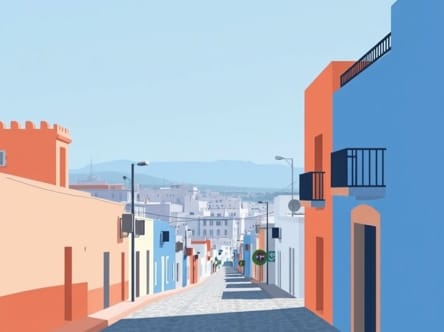
Nestled in the Rif Mountains of northern Morocco, the Blue City known officially as Chefchaouen captures the imagination of travelers with its stunning indigo-washed walls, narrow alleys, and relaxed pace of life. This enchanting town has earned its nickname from the overwhelming shades of blue that coat its buildings, staircases, and doors, creating a dreamlike atmosphere unlike anywhere else. Whether you’re a photographer, a cultural enthusiast, or a wanderer seeking peace, Chefchaouen offers a unique experience that blends Moorish architecture, Berber traditions, and Andalusian influences into one harmonious destination.
History of Chefchaouen
Founding and Early Years
Chefchaouen was founded in 1471 by Moulay Ali Ben Moussa Ben Rached El Alami as a small fortress to resist Portuguese invasions along Morocco’s northern coast. Originally, the city served as a strategic base to protect the region from foreign incursions. Over time, it became a safe haven for Muslim and Jewish refugees fleeing the Reconquista in Spain. These Andalusian refugees brought their architectural styles and urban planning sensibilities, which remain evident in the city today.
The Origin of the Blue Paint
The exact reason why Chefchaouen is painted blue is still debated. Some say the Jewish population who settled here in the 1930s painted their homes blue as a symbol of the sky and heaven, reflecting their spiritual beliefs. Others suggest the color was chosen to repel mosquitoes or to keep homes cooler under the intense Moroccan sun. Regardless of the origin, the tradition stuck, and today the entire medina is a canvas of varying shades of blue, making it one of the most photogenic cities in the world.
Exploring the Blue Medina
Winding Streets and Photographic Corners
Walking through Chefchaouen’s old medina feels like stepping into a fairytale. The narrow streets curve gently around homes painted in soft baby blue, turquoise, and deep azure. Every corner reveals hidden gems flower pots perched on windowsills, intricate wooden doors, and the occasional cat lounging in the sun. Photographers will find endless inspiration here, and every step presents a new perspective on this visually enchanting town.
The Main Square Plaza Uta el-Hammam
At the heart of Chefchaouen lies Plaza Uta el-Hammam, the city’s central gathering point. This lively square is surrounded by cafés, shops, and restaurants offering traditional Moroccan cuisine. Dominating the plaza is the Kasbah, a restored fortress and ethnographic museum that offers insight into the city’s heritage. Climb the tower for panoramic views of the medina and surrounding mountains.
Cultural Attractions
Kasbah Museum
The Kasbah Museum, located inside the ancient fortress, showcases artifacts that reflect Chefchaouen’s rich history. It includes Andalusian-style gardens, historical photographs, weapons, traditional garments, and musical instruments. The museum also provides a glimpse into how the city developed over the centuries, making it a must-visit for those interested in local culture.
Grand Mosque
Another prominent structure in the medina is the Grand Mosque, noted for its unique octagonal minaret. Although non-Muslims are not allowed inside, its exterior is worth admiring. The mosque is a testament to the city’s Islamic heritage and remains an active place of worship.
Nature and Hiking Opportunities
Ras El Maa Waterfall
Just a short walk from the medina is Ras El Maa, a small waterfall where locals gather to relax and wash their clothes. The refreshing sound of water and the greenery surrounding the area provide a welcome contrast to the city’s blue hues. It’s a serene spot to unwind or sip fresh orange juice from a local vendor.
Hiking in the Rif Mountains
Chefchaouen is also a gateway to several hiking trails in the Rif Mountains. One popular route leads to the Spanish Mosque, located on a hill overlooking the town. The hike takes about 30 minutes and offers breathtaking views, especially at sunset. More experienced hikers can venture further into Talassemtane National Park, home to cedar forests, limestone cliffs, and remote Berber villages.
Shopping in the Medina
Local Handicrafts and Souvenirs
Chefchaouen is known for its artisanal products, many of which are not found in other parts of Morocco. The medina’s shops sell a range of unique items such as:
- Woolen garments, ponchos, and blankets
- Handwoven rugs and carpets
- Locally made pottery and ceramics
- Fragrant spices and herbal teas
- Natural beauty products like argan oil and rose water
Bargaining is a common practice, and shopkeepers are usually friendly and open to negotiation. Shopping here supports local artisans and allows visitors to take a piece of Chefchaouen home with them.
Where to Stay and Eat
Riads and Guesthouses
Chefchaouen offers a range of accommodations, from budget-friendly hostels to luxurious riads. Many guesthouses are housed in traditional buildings with rooftop terraces that provide spectacular views of the city and mountains. Staying in a riad gives visitors the chance to experience authentic Moroccan hospitality and architecture.
Traditional Moroccan Cuisine
Food in Chefchaouen is rich, flavorful, and deeply rooted in Moroccan tradition. Popular dishes include tagine (slow-cooked meat and vegetables), couscous, and harira soup. Local specialties also feature goat cheese, produced in nearby villages, and sweet pastries flavored with almonds and honey. Don’t forget to try Moroccan mint tea, served in elaborate silver teapots with a generous helping of fresh mint leaves.
When to Visit the Blue City
Best Time for Travel
The best time to visit Chefchaouen is during the spring (March to May) or fall (September to November). These seasons offer mild temperatures, clear skies, and fewer crowds. Summers can be hot, especially in July and August, while winters are cool and may bring rain to the region. Early mornings and late afternoons are ideal for exploring and photography.
Getting to Chefchaouen
Transportation Options
Chefchaouen does not have an airport or train station, so visitors usually arrive by bus or car. The nearest major cities with airports are Tangier, Fez, and Tetouan. From these cities, buses run regularly and are an affordable way to reach the town. The drive itself is scenic, with winding roads and stunning mountain views along the way.
The Blue City of Morocco, Chefchaouen, is more than just a beautiful destination it is a place of peace, history, and cultural richness. Its vibrant blue walls, welcoming people, and breathtaking landscapes make it one of the most charming towns in North Africa. Whether you’re wandering through its serene streets, savoring its cuisine, or exploring the nearby Rif Mountains, Chefchaouen invites you to slow down, reflect, and connect with a simpler way of life. A journey here is not just a visual feast, but a soulful experience that lingers long after you’ve returned home.