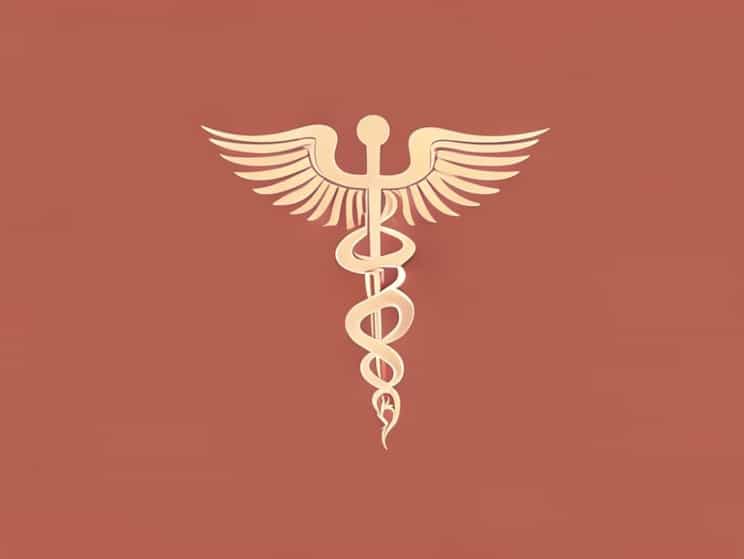
In hospitals, clinics, ambulances, and medical textbooks, symbols play an important role in communicating meaning at a glance. Among the most recognizable medical symbols in the world are the caduceus and the staff of Asclepius. Although many people use these symbols interchangeably, they have very different origins, meanings, and historical backgrounds. Understanding the difference between the caduceus and the staff of Asclepius helps clarify centuries of mythology, tradition, and the evolving identity of medicine itself.
Origins of Ancient Medical Symbols
The use of symbols to represent healing and medicine dates back thousands of years. Ancient civilizations often connected health with divine powers, nature, and balance. Symbols made complex ideas easier to understand and pass down through generations.
Both the caduceus and the staff of Asclepius come from ancient Greek mythology, but they were associated with different gods and served very different purposes. Over time, confusion between the two symbols grew, especially in modern institutions.
The Staff of Asclepius Explained
The staff of Asclepius is the older and more traditionally accurate symbol of medicine. It consists of a single serpent coiled around a rough wooden staff. This symbol is named after Asclepius, the Greek god of healing and medicine.
Asclepius was believed to have the power to heal the sick and even bring the dead back to life. Temples dedicated to him, known as Asclepieia, served as early healing centers where patients sought treatment, rest, and spiritual guidance.
Meaning Behind the Staff and Snake
Each element of the staff of Asclepius carries symbolic meaning. The staff represents the walking stick of a traveling physician, emphasizing humility and service. The serpent symbolizes renewal, rebirth, and healing, largely due to its ability to shed its skin.
- Single snake represents focused healing
- Wooden staff symbolizes practical medicine
- Association with Asclepius links it directly to health
The Caduceus and Its Background
The caduceus looks similar at first glance but has notable differences. It features two snakes entwined around a staff, often topped with wings. This symbol is associated with Hermes, the Greek god of commerce, communication, travelers, and messengers.
Hermes was not a god of medicine. Instead, he was linked to trade, negotiation, speed, and diplomacy. The caduceus originally symbolized balance, exchange, and peaceful resolution rather than healing.
Symbolism of the Caduceus
The two snakes on the caduceus are often interpreted as representing duality, such as balance between opposing forces. The wings reflect speed and mobility, aligning with Hermes’ role as a messenger.
- Two snakes symbolize balance or negotiation
- Wings represent speed and movement
- Connection to commerce and communication
Key Differences Between the Two Symbols
Although they may look similar, the caduceus and the staff of Asclepius differ in both appearance and meaning. These differences are important when discussing medical symbolism.
The staff of Asclepius has one snake and no wings, while the caduceus has two snakes and wings. More importantly, one is directly tied to healing, while the other is not.
Side-by-Side Comparison
- Staff of Asclepius one snake, no wings, healing focus
- Caduceus two snakes, wings, commerce and messaging
- Asclepius god of medicine
- Hermes god of trade and communication
How Confusion Between the Symbols Began
The confusion between the caduceus and the staff of Asclepius became more common in the modern era, especially in the United States. During the 19th and early 20th centuries, some organizations mistakenly adopted the caduceus as a medical emblem.
One reason for this confusion was the visual similarity between the symbols. Another factor was the association of Hermes with speed, which appealed to military and emergency services.
Use in Modern Medical Organizations
Today, the staff of Asclepius is widely recognized by medical associations, including international health organizations, as the correct symbol of medicine. It reflects a long-standing tradition rooted in healing and patient care.
The caduceus, however, is still used by some institutions, particularly in branding or logos. This continued use often sparks debate among historians, doctors, and educators.
Cultural and Educational Impact
The widespread misunderstanding of these symbols highlights the importance of historical awareness in medicine. Teaching the difference between the caduceus and the staff of Asclepius helps preserve the integrity of medical traditions.
In medical education, the staff of Asclepius is often emphasized as a reminder of ethical responsibility, compassion, and the physician’s role in society.
Symbolism and Ethics in Medicine
The staff of Asclepius aligns closely with the ethical principles of medicine, such as care, trust, and service. Its simplicity reflects the idea that healing is not about power or wealth, but about dedication to others.
The caduceus, by contrast, can be seen as representing business and exchange. This difference has led some critics to argue that using the caduceus in healthcare settings sends the wrong message.
Why the Staff of Asclepius Endures
Despite modern confusion, the staff of Asclepius has endured for centuries as a symbol of healing. Its continued relevance lies in its clear connection to medicine’s core values.
Doctors, nurses, and healthcare professionals often feel a strong connection to this symbol because it represents their commitment to healing rather than profit.
Public Perception and Media Influence
Movies, television shows, and logos have played a role in reinforcing the confusion between the two symbols. When audiences repeatedly see the caduceus in medical contexts, it becomes normalized.
However, increased awareness and education are slowly correcting this misunderstanding, especially among younger generations.
Global Perspectives on Medical Symbols
Outside the United States, the staff of Asclepius is more consistently used as the medical symbol. Many countries clearly distinguish between healing symbols and those related to commerce or communication.
This global perspective reinforces the idea that historical accuracy matters when representing healthcare.
Modern Design and Symbol Choice
In recent years, designers and institutions have begun reevaluating their use of medical symbols. Some organizations have replaced the caduceus with the staff of Asclepius to better reflect their mission.
This shift shows how symbols evolve and how society can correct long-standing mistakes through knowledge.
The caduceus and the staff of Asclepius may look similar, but their meanings are fundamentally different. The staff of Asclepius, with its single serpent and deep connection to healing, remains the true symbol of medicine.
Understanding the difference between these two symbols helps preserve the history and ethics of healthcare. As awareness grows, the staff of Asclepius continues to stand as a timeless reminder of medicine’s purpose to heal, to care, and to serve humanity.