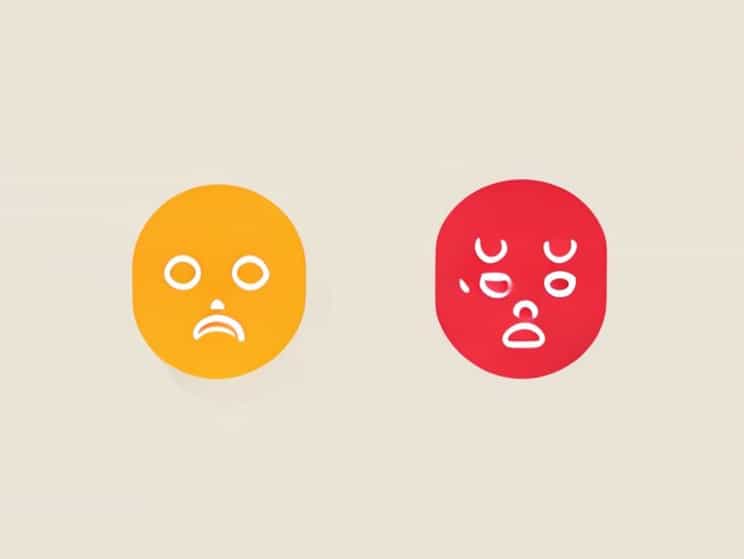
Hot weather can affect the human body in serious ways, especially when exposure lasts for long periods or hydration is not adequate. Many people hear the terms heat exhaustion and heatstroke used interchangeably, but they are not the same condition. Understanding the difference between heat exhaustion and heatstroke is essential for recognizing symptoms early and responding appropriately. Both are forms of heat-related illness, yet they differ greatly in severity, risk, and required response.
Understanding Heat-Related Illness
Heat-related illness occurs when the body cannot effectively regulate its internal temperature. Normally, the body cools itself through sweating and increased blood flow to the skin. When these mechanisms fail due to extreme heat, physical exertion, dehydration, or underlying health conditions, body temperature begins to rise.
Heat exhaustion and heatstroke exist along the same spectrum. Heat exhaustion is a serious warning sign, while heatstroke is a medical emergency that can be life-threatening if not treated immediately.
What Is Heat Exhaustion?
Heat exhaustion is a condition that develops after prolonged exposure to high temperatures, often combined with dehydration and physical activity. The body becomes overwhelmed but still maintains some ability to regulate temperature.
People experiencing heat exhaustion may feel extremely uncomfortable, but with proper care and rest, recovery is usually possible without long-term damage.
Common Causes of Heat Exhaustion
Several factors can contribute to heat exhaustion. These often occur together, increasing risk.
- Extended time in hot or humid environments
- Intense physical activity
- Insufficient water intake
- Wearing heavy or non-breathable clothing
- Alcohol consumption in hot weather
Symptoms of Heat Exhaustion
The symptoms of heat exhaustion are often noticeable and develop gradually. Recognizing them early is important.
- Heavy sweating
- Weakness or fatigue
- Dizziness or lightheadedness
- Nausea or vomiting
- Headache
- Cool, pale, or clammy skin
What Is Heatstroke?
Heatstroke is the most severe form of heat-related illness. It occurs when the body’s temperature regulation system completely fails, causing the core body temperature to rise rapidly, often above 40°C (104°F).
Unlike heat exhaustion, heatstroke is a medical emergency. It can cause damage to the brain, heart, kidneys, and muscles, and can be fatal if not treated quickly.
How Heatstroke Develops
Heatstroke can develop from untreated heat exhaustion, but it can also occur suddenly. The body stops sweating effectively, and internal temperature continues to rise without control.
There are two main types exertional heatstroke, often seen in athletes or outdoor workers, and non-exertional heatstroke, which usually affects older adults, young children, or those with chronic illnesses during heat waves.
Symptoms of Heatstroke
Heatstroke symptoms are more severe and alarming than those of heat exhaustion.
- Very high body temperature
- Hot, red, dry, or damp skin
- Confusion or disorientation
- Slurred speech
- Loss of consciousness
- Seizures
The Difference Between Heat Exhaustion and Heatstroke
The main difference between heat exhaustion and heatstroke lies in the body’s ability to regulate temperature. In heat exhaustion, the body is struggling but still functioning. In heatstroke, the system has failed entirely.
Another key difference is severity. Heat exhaustion is serious but usually reversible with prompt action. Heatstroke is life-threatening and requires immediate emergency care.
Comparison of Key Characteristics
- Body temperature moderately elevated in heat exhaustion, dangerously high in heatstroke
- Sweating heavy sweating in heat exhaustion, reduced or absent sweating in heatstroke
- Mental state alert but fatigued in heat exhaustion, confused or unconscious in heatstroke
- Urgency urgent care needed for heat exhaustion, emergency response needed for heatstroke
Why Recognizing the Difference Matters
Knowing the difference between heat exhaustion and heatstroke can save lives. Heat exhaustion is a critical warning sign that should never be ignored. If proper steps are taken, progression to heatstroke can often be prevented.
Heatstroke, on the other hand, requires immediate medical attention. Delaying treatment can lead to permanent organ damage or death.
Who Is Most at Risk?
Some people are more vulnerable to heat-related illnesses than others. Risk factors increase the likelihood of both heat exhaustion and heatstroke.
- Older adults
- Infants and young children
- People with heart disease or chronic illnesses
- Outdoor workers and athletes
- Individuals taking certain medications
Environmental and Lifestyle Factors
High humidity, lack of shade, and poor airflow increase the risk of overheating. Urban environments with limited green space can trap heat, making conditions worse.
Lifestyle choices also play a role. Skipping water breaks, pushing physical limits, or ignoring early symptoms can quickly turn heat exhaustion into heatstroke.
Prevention of Heat-Related Illness
Preventing heat exhaustion and heatstroke is often easier than treating them. Simple awareness and preparation can make a significant difference.
- Drink water regularly, even if not thirsty
- Take breaks in cool or shaded areas
- Wear lightweight, breathable clothing
- Avoid strenuous activity during peak heat hours
- Pay attention to weather conditions
Responding to Heat Exhaustion
When heat exhaustion is suspected, prompt action can prevent escalation. Cooling the body and restoring hydration are key steps.
Resting in a cool place, loosening clothing, and sipping water can help the body recover. Monitoring symptoms is important to ensure they do not worsen.
Responding to Heatstroke
Heatstroke requires immediate emergency response. Cooling the person as quickly as possible while waiting for professional medical help is critical.
Because heatstroke affects vital organs, professional treatment is necessary even if symptoms seem to improve temporarily.
Long-Term Effects and Recovery
Most people recover fully from heat exhaustion with proper care. However, heatstroke can lead to long-term health issues, including organ damage and increased sensitivity to heat in the future.
This difference highlights why understanding and acting on early warning signs is so important.
The difference between heat exhaustion and heatstroke is not just a matter of terminology, but one of severity and urgency. Heat exhaustion serves as a serious warning, while heatstroke represents a medical emergency with potentially fatal consequences. By understanding symptoms, risk factors, and prevention strategies, individuals can better protect themselves and others during hot conditions. Awareness and timely response remain the most effective tools in reducing the dangers of heat-related illness.