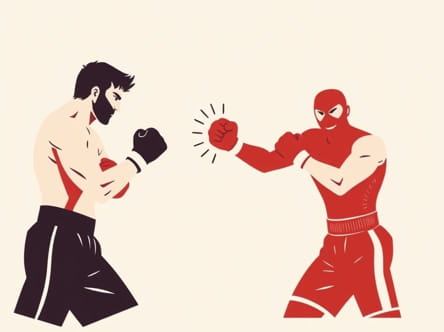
There is a moment in a real fight when time seems to stretch, and the world narrows to just two people, raw emotion, and the instinct to survive or prevail. The exhilaration of a real fight is unlike anything else. It’s not about chaos or violence for its own sake it’s about intensity, presence, and the primal connection to something ancient within us. Whether it’s in the ring, on the street, or during a self-defense scenario, the surge of adrenaline, the rush of clarity, and the focus required are experiences that can’t be replicated in normal everyday life.
The Adrenaline Rush and Heightened Awareness
Understanding the Physical Response
When a fight begins, the body undergoes an instant transformation. The brain triggers a fight-or-flight response, releasing a flood of adrenaline. This hormone increases heart rate, dilates pupils, and diverts blood flow to the muscles. What results is a temporary superhuman state heightened awareness, faster reflexes, and a sense of time slowing down.
This physical state contributes heavily to the feeling of exhilaration. Everything feels more intense every sound sharper, every movement more meaningful. You become hyper-aware of your opponent’s stance, the direction of their weight, and their next potential move. This intense focus pushes the body and mind to a peak condition rarely reached in ordinary circumstances.
The Power of Being Fully Present
In a real fight, there is no room for distraction. The mind becomes anchored in the present moment, and every thought or hesitation can have consequences. This presence brings a sense of mental clarity that some describe as meditative, despite the chaos. For many, that level of presence is addictive it’s one of the reasons people are drawn to martial arts, boxing, or competitive fighting.
The Emotional Rollercoaster
Fear, Courage, and Control
Fear is a natural part of any real confrontation. It can stem from the possibility of injury, humiliation, or loss of control. However, overcoming that fear and acting in spite of it brings an unmatched emotional high. The courage required to stand firm, keep moving, and make decisions under pressure adds to the psychological thrill.
Control is key not just physical control of your body, but emotional and mental control. A real fight tests your ability to manage fear, anger, or anxiety while maintaining composure. The exhilaration is not just from surviving or winning, but from mastering your inner reactions during the fight.
The Aftermath Emotional Reflection
After the adrenaline wears off, fighters often reflect on what just happened. Emotions like pride, relief, shame, or even guilt can emerge. This post-fight emotional complexity adds depth to the experience. You might replay the moment repeatedly in your mind, analyzing what went right, what went wrong, and what you felt.
The Importance of Skill and Training
Preparedness Enhances the Experience
For those who are trained whether in martial arts, boxing, or self-defense the exhilaration of a real fight is often tempered by discipline. Training gives fighters tools to stay calm, make better decisions, and act effectively. It also instills respect for opponents and awareness of consequences. The more skilled a person is, the more they can experience a fight as a tactical and strategic encounter rather than a chaotic brawl.
Without training, a fight can quickly become dangerous, unpredictable, and traumatic. While the adrenaline rush may still occur, the risks are higher and the outcomes more severe. That’s why so many people who crave the thrill of real fighting turn to structured environments like MMA, jiu-jitsu, or boxing gyms to channel that energy safely.
The Mindset of the Trained Fighter
Skilled fighters often view combat as a form of communication a conversation between two bodies. This mindset reduces unnecessary aggression and increases mutual respect. In such cases, the exhilaration comes from testing limits, exploring tactics, and learning about oneself under pressure.
Street Fights vs. Organized Combat
The Unpredictability of Street Fights
Street fights are raw, unstructured, and unpredictable. There are no rules, referees, or weight classes. Anything can happen, and that risk factor adds to the intensity. Many people who have experienced street fights describe them as both terrifying and exhilarating. Every second counts, and often the outcome is determined by instinct, luck, or who strikes first.
The lack of control in these situations makes them far more dangerous, both physically and legally. Yet for some, this uncontrolled element is what gives the fight its edge its unfiltered, primal energy. However, it’s important to understand that the cost of this kind of fight is often high, with potential for serious injury or legal consequences.
The Discipline of Sport Fighting
In contrast, organized combat sports like Muay Thai, boxing, or Brazilian jiu-jitsu provide a safer and more controlled environment. While the physical intensity and adrenaline are still present, rules are in place to protect participants. Fighters train for months to face each other, and the outcome is determined by skill rather than chaos. The exhilaration here is strategic, calculated, and often more rewarding in the long term.
Why People Seek the Experience
Testing Limits and Building Confidence
Many people are drawn to real fights or fight simulations because they want to test their limits. In a fight, you find out who you really are when stripped of comfort and routine. The act of standing your ground, defending yourself, and enduring pressure can build massive confidence.
Whether it’s in a dojo or on the street, emerging from a fight changes you. It might give you a new respect for violence, a deeper awareness of danger, or a stronger sense of self. That transformation is part of the thrill and part of the reason why fighting has been a component of human culture for thousands of years.
Fighting as Self-Expression
For some, fighting becomes a language one that allows them to express strength, resolve, or even vulnerability. Fighters often talk about how sparring or competition helps them deal with emotional pain, trauma, or personal challenges. In this sense, a real fight is more than physical; it’s deeply psychological and even therapeutic.
Respect, Ethics, and Responsibility
Knowing When Not to Fight
As thrilling as a real fight can be, it comes with responsibility. Knowing when to walk away, when to de-escalate, and when a fight is unnecessary is the mark of true strength. The best fighters often avoid conflict unless absolutely necessary. Understanding that the goal is not always to win, but sometimes to protect or survive, is crucial.
The exhilaration of a real fight should never be a justification for violence. It should serve as a lesson, a test, and a way to grow not as an outlet for anger or pride.
Respect for Opponents
Every fight, win or lose, offers a lesson. Respecting your opponent as a fellow human being who also took a risk is essential to keeping that lesson valuable. It’s this mutual understanding that elevates fighting from brutality to a shared human experience.
The exhilaration of a real fight is rooted in intensity, clarity, and emotional depth. It brings the body and mind into full alignment in a way that few other experiences can. But with that exhilaration comes responsibility, self-awareness, and often a deeper understanding of one’s character. Whether it’s a controlled match or an unexpected altercation, the moments within a real fight can be transformative, unforgettable, and deeply human.