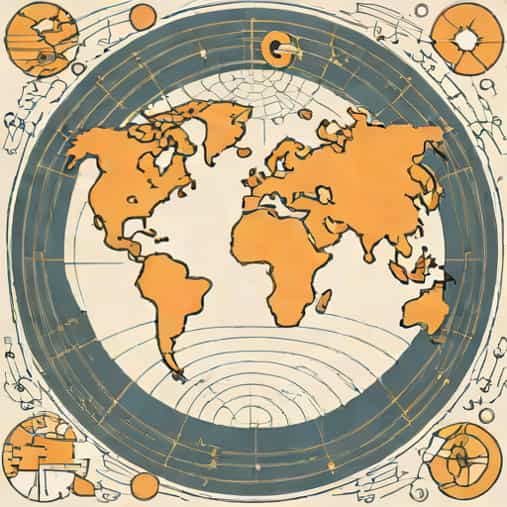
The story of the first person to circumnavigate the globe is one of adventure, resilience, and exploration that changed the world’s understanding of geography forever. The journey represented the human desire to discover new lands, navigate unknown seas, and challenge the limitations of the known world in the early 16th century. Circumnavigation of the Earth required courage, advanced navigation skills, and the ability to endure hardships at sea, including storms, diseases, and scarcity of food and water. The successful expedition not only proved that the Earth is round but also opened the doors to global trade, cultural exchanges, and the age of exploration that reshaped human history.
Ferdinand Magellan and the Beginning of the Journey
The expedition to circumnavigate the globe began in 1519 under the leadership of Ferdinand Magellan, a Portuguese explorer serving the Spanish crown. Magellan was commissioned by King Charles I of Spain to find a westward route to the Spice Islands, which are located in present-day Indonesia. This mission was motivated by the desire to control the lucrative spice trade, as spices such as cloves, nutmeg, and mace were highly valuable in Europe at the time. Magellan’s knowledge of navigation, maritime strategy, and leadership made him the ideal candidate to lead this perilous voyage.
The Fleet and Crew
Magellan’s expedition consisted of five ships the Trinidad, San Antonio, Concepción, Victoria, and Santiago. The fleet carried around 270 men, including sailors, soldiers, and navigators. Each member faced extreme uncertainty, as the journey would take them through uncharted waters, dangerous straits, and unfamiliar territories. Magellan carefully planned the route, combining knowledge of celestial navigation, maps of previous explorers, and information from local sailors. Despite careful preparation, the voyage was fraught with challenges, including mutinies, storms, and conflicts with indigenous peoples along the way.
The Voyage Across the Atlantic and South America
After departing from Seville, Spain, in September 1519, Magellan’s fleet sailed southwest across the Atlantic Ocean. They reached the eastern coast of South America, where they explored regions of modern-day Brazil and Argentina. This portion of the journey was essential for mapping the South American coastline and searching for a passage to the Pacific Ocean. The crew endured long periods at sea with limited supplies, leading to starvation, scurvy, and disagreements among the men. Despite these hardships, Magellan maintained control and continued the expedition with determination.
Discovery of the Strait of Magellan
One of the most critical achievements of the voyage was the discovery of the Strait of Magellan, a navigable passage at the southern tip of South America. This natural channel allowed the fleet to move from the Atlantic Ocean into the Pacific Ocean. Navigating the strait was treacherous due to unpredictable winds, strong currents, and narrow passages, but it marked a significant milestone in global exploration. The successful passage through the strait proved that it was possible to reach the western seas by circumnavigating the southern tip of the continent.
Crossing the Pacific Ocean
After navigating the Strait of Magellan, Magellan’s fleet entered the Pacific Ocean, which was virtually unknown to Europeans at the time. The crossing of the Pacific was the longest and most challenging leg of the journey, lasting over three months without sight of land. Sailors faced extreme hunger, dehydration, and scurvy due to the scarcity of fresh provisions. The vastness of the Pacific Ocean tested the limits of human endurance and highlighted the dangers of long-distance maritime exploration. Despite these challenges, the expedition successfully reached the Mariana Islands and eventually arrived in the Philippines.
The Death of Magellan
Tragically, Ferdinand Magellan did not complete the circumnavigation himself. In 1521, he was killed during a battle with indigenous warriors on Mactan Island in the Philippines. His death was a severe blow to the expedition, and leadership passed to Juan Sebastián Elcano, a Spanish navigator who took command and continued the mission. Although Magellan did not live to complete the journey, his leadership, vision, and navigation skills were instrumental in the success of the expedition and in demonstrating that the Earth could be circumnavigated.
Completion of the First Circumnavigation
Under the leadership of Juan Sebastián Elcano, the remaining crew continued westward, navigating through the Indian Ocean and rounding the Cape of Good Hope at the southern tip of Africa. After a grueling journey of nearly three years, only one ship, the Victoria, returned to Spain in September 1522, carrying 18 surviving crew members. The expedition successfully proved that the Earth is round and could be circumnavigated, reshaping European understanding of geography and maritime exploration. This achievement also had profound economic and cultural consequences, expanding global trade routes and fostering exchanges between Europe, Asia, Africa, and the Americas.
Impact on Navigation and Trade
The successful circumnavigation had a lasting impact on navigation and trade. Maps and charts were updated with new knowledge of global geography, including accurate depictions of coastlines, ocean currents, and distances. European powers gained valuable information about trade routes to the Spice Islands, establishing a foundation for the age of colonial expansion. The voyage demonstrated the importance of maritime exploration and inspired future generations of explorers to undertake similar expeditions, advancing human knowledge and global connectivity.
Legacy of the First Circumnavigation
The first circumnavigation of the globe is remembered as one of the most remarkable achievements in the history of exploration. Ferdinand Magellan’s vision and leadership, combined with the determination and resilience of his crew, proved that the Earth could be navigated completely by sea. Although Magellan did not survive the voyage, Juan Sebastián Elcano ensured its completion, cementing their places in history. The expedition highlighted the courage, skill, and ingenuity required to explore the unknown and significantly influenced navigation, trade, and cultural exchange for centuries to come.
Lessons Learned from the Expedition
- Preparation and leadership are critical for success in long-term exploration.
- Adaptability and resilience help overcome unforeseen challenges and dangers.
- Collaboration and teamwork are essential when facing extreme conditions.
- Exploration can expand knowledge, foster innovation, and transform societies.
The first person to circumnavigate the globe is a story of human perseverance, courage, and discovery. While Ferdinand Magellan initiated the historic expedition, it was Juan Sebastián Elcano who completed the voyage, demonstrating that global circumnavigation was possible. The journey provided invaluable insights into geography, navigation, and trade, and its legacy continues to inspire explorers and adventurers to this day. Understanding this historic achievement helps us appreciate the remarkable contributions of early explorers to global knowledge, cultural exchange, and the spirit of human curiosity that drives discovery across the world.