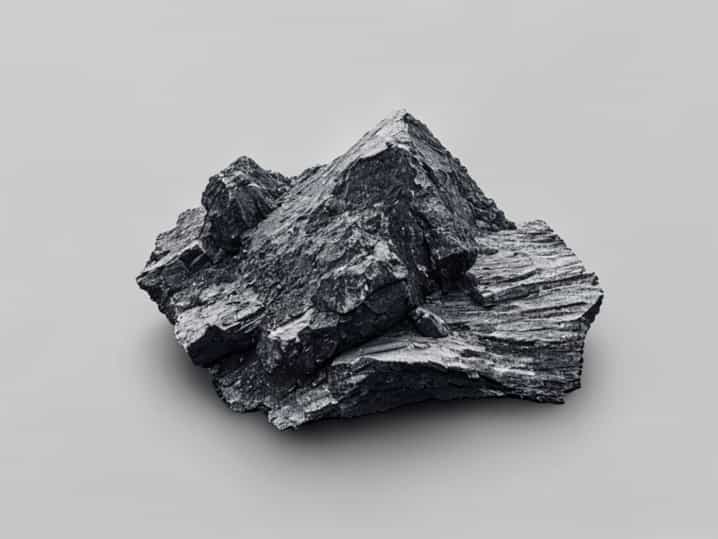
Lignite plays a significant role in India’s energy landscape, especially in regions where this low-grade coal is abundantly available. As the country continues to balance economic growth with energy security, lignite remains an important fuel for power generation and industrial use. When discussing lignite production, one name consistently stands out due to its scale, infrastructure, and long history of operations. Understanding who leads lignite production in India also helps explain regional development patterns, energy policies, and the future direction of coal-based power.
Understanding Lignite and Its Importance
Lignite is often referred to as brown coal. It has a lower carbon content and higher moisture compared to hard coal, which means it produces less energy per unit. Despite this limitation, lignite is valuable because it is relatively easy to mine and is usually used near the mining site to reduce transportation costs.
In India, lignite is mainly used for electricity generation, fertilizer production, and certain industrial processes. Its importance lies in providing a stable and affordable energy source for states that have limited access to high-grade coal.
The Largest Producer of Lignite in India
The largest producer of lignite in India is Tamil Nadu, primarily through the operations of NLC India Limited. This public sector enterprise has been at the center of lignite mining and power generation for decades. Located mainly in the Neyveli region, NLC India Limited has transformed the area into a major energy hub.
Neyveli lignite mines are among the oldest and most productive in the country. The scale of production, combined with integrated power plants, gives Tamil Nadu a dominant position in India’s lignite sector.
Why Tamil Nadu Leads Lignite Production
Several factors explain why Tamil Nadu is the largest producer of lignite in India. First, the state has rich lignite reserves concentrated in accessible geological formations. Second, early investment in mining technology allowed large-scale extraction long before other regions developed similar capacity.
Strong institutional support and long-term planning also played a role. The presence of a single, experienced operator helped streamline operations and expand output over time.
NLC India Limited and Its Role
NLC India Limited is the backbone of lignite production in India. Established as a government-owned company, it was tasked with developing lignite resources and generating power for the southern region of the country. Over the years, it has grown into a diversified energy company.
Beyond mining, NLC India Limited operates thermal power stations, renewable energy projects, and lignite-based industries. This integrated model ensures efficient use of lignite and reduces dependency on external coal supplies.
- Large-scale open-cast lignite mining
- Integrated lignite-based power plants
- Employment generation in Tamil Nadu
- Support for regional energy security
Major Lignite Mining Areas in India
While Tamil Nadu is the largest producer of lignite in India, other states also contribute to overall production. These regions help meet local energy needs and reduce transportation costs.
Rajasthan
Rajasthan has lignite reserves in areas such as Barmer and Bikaner. Lignite mined here is mainly used for power generation and industrial purposes. Although production is significant, it remains smaller compared to Tamil Nadu.
Gujarat
Gujarat is another important lignite-producing state. Its lignite is used in power plants, cement manufacturing, and ceramics. Private sector participation has helped develop mining operations in this region.
Other Regions
Smaller lignite deposits are found in states like Kerala and Jammu and Kashmir. These deposits are limited in scale and are often used for localized energy needs.
Economic Impact of Lignite Production
The dominance of Tamil Nadu as the largest producer of lignite in India has had a strong economic impact. Lignite mining and power generation have created thousands of direct and indirect jobs. Towns like Neyveli developed rapidly due to industrial activity, infrastructure investment, and educational institutions.
Revenue from lignite-based power supports state finances and contributes to national energy availability. Affordable electricity generated from lignite has also supported industrial growth in southern India.
Environmental and Social Considerations
Lignite mining, especially open-cast mining, has environmental consequences. Land degradation, groundwater disruption, and air pollution are common concerns. In response, mining companies have introduced land reclamation programs and pollution control measures.
Social responsibility is another key issue. Rehabilitation of displaced communities, healthcare access, and education initiatives are essential parts of sustainable lignite production. NLC India Limited has invested in these areas to reduce negative impacts.
Lignite and India’s Energy Future
As India expands renewable energy sources, the role of lignite is gradually changing. However, it continues to provide base-load power, which is essential for grid stability. The largest producer of lignite in India is adapting by diversifying into solar and wind energy.
This transition reflects a broader shift in national energy policy. While lignite will remain important in the short to medium term, cleaner technologies and efficiency improvements are becoming priorities.
Technological Improvements
Modern mining equipment, improved combustion technologies, and emission controls have increased efficiency and reduced environmental impact. These improvements allow lignite-based power to remain competitive while meeting stricter regulations.
Challenges Facing the Lignite Sector
Despite its importance, lignite production faces challenges. Rising environmental awareness, competition from renewables, and the need for large land areas make expansion difficult. Water usage in mining and power generation is another concern, particularly in water-scarce regions.
Addressing these challenges requires careful planning, policy support, and technological innovation.
The largest producer of lignite in India is Tamil Nadu, driven primarily by the extensive operations of NLC India Limited. This leadership position is the result of rich reserves, early development, and integrated energy infrastructure. Lignite has played a vital role in powering industries, supporting economic growth, and ensuring energy security. As India moves toward a more sustainable energy future, lignite production will continue to evolve, balancing its economic benefits with environmental responsibility and technological progress.