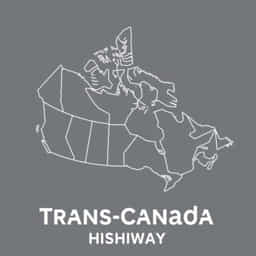
Stretching across one of the most diverse and expansive countries on Earth, the Trans Canada Highway is a symbol of connectivity, exploration, and national pride. It is not just a road it is a journey through Canada’s vast and breathtaking landscapes, from the Atlantic Ocean in the east to the Pacific Ocean in the west. This massive highway system links major cities, remote towns, scenic parks, and cultural landmarks, making it an essential route for travelers, truckers, and adventure seekers alike. The Trans Canada Highway is more than an infrastructure project; it is a ribbon that ties together the Canadian experience, offering unmatched access to the natural beauty and cultural richness of the nation.
Overview of the Trans Canada Highway
The Trans Canada Highway is one of the world’s longest national highway systems. It spans over 7,800 kilometers (approximately 4,860 miles), crossing through all ten provinces and connecting the country from coast to coast. The route officially begins in Victoria, British Columbia, and ends in St. John’s, Newfoundland and Labrador.
Key Facts
- Length: Over 7,800 kilometers (4,860 miles)
- Completed: Officially opened in 1962, though construction continued for years after
- Provinces crossed: British Columbia, Alberta, Saskatchewan, Manitoba, Ontario, Quebec, New Brunswick, Prince Edward Island, Nova Scotia, Newfoundland and Labrador
- Main routes: Highway 1 (west), Highway 17 (Ontario), Autoroute 20 (Quebec), Route 2 (Maritimes)
Historical Significance
The idea of a cross-country highway emerged after World War II as a way to boost unity and economic growth. Construction officially began in 1950 and took over a decade to complete. The highway helped connect remote communities to larger cities and opened new avenues for trade, tourism, and transportation.
Milestones in Development
- 1950: Trans Canada Highway Act was passed
- 1962: Official opening ceremony in Rogers Pass, British Columbia
- 1971: Newfoundland section completed
The Trans Canada Highway played a crucial role in shaping modern Canada, enhancing accessibility and contributing to the development of regional economies. Its construction marked one of the most ambitious national infrastructure projects of the 20th century.
Major Cities and Destinations Along the Highway
Traveling along the Trans Canada Highway offers the chance to visit a wide variety of cities and landscapes. From bustling urban centers to serene mountain passes, this highway offers something for every kind of traveler.
Western Canada
- Victoria, British Columbia: The official western terminus, known for its harbor, gardens, and historic architecture.
- Vancouver: A major metropolitan hub surrounded by mountains and ocean.
- Calgary, Alberta: Gateway to the Rocky Mountains and home to the famous Calgary Stampede.
- Banff and Lake Louise: Stunning national park destinations with world-class hiking and winter sports.
Central Canada
- Regina and Saskatoon, Saskatchewan: Prairie cities known for agriculture and cultural heritage.
- Winnipeg, Manitoba: A cultural capital with museums, music festivals, and rich history.
- Thunder Bay, Ontario: Located on the shores of Lake Superior, offering scenic drives and Indigenous history.
- Ottawa: The capital of Canada, full of national museums and political landmarks.
Eastern Canada
- Montreal, Quebec: A French-speaking cultural hub with vibrant food, art, and festivals.
- Quebec City: Known for its old-world charm and UNESCO-listed historic district.
- Fredericton and Saint John, New Brunswick: Offering riverside beauty and maritime traditions.
- Charlottetown, Prince Edward Island: The birthplace of Confederation, reached via the Confederation Bridge.
- Halifax, Nova Scotia: A coastal city rich in seafaring history and Atlantic charm.
- St. John’s, Newfoundland and Labrador: The eastern end of the highway, known for its colorful row houses and dramatic cliffs.
Natural Wonders Along the Way
One of the most captivating aspects of traveling the Trans Canada Highway is the variety of natural landscapes. From coastal views to alpine peaks, the route showcases Canada’s environmental diversity.
Highlights for Nature Lovers
- Pacific Ocean views in British Columbia
- Canadian Rockies in Alberta
- Prairie grasslands in Saskatchewan and Manitoba
- Lake Superior coastline in Ontario
- Forests and rivers of the Maritimes
- Atlantic cliffs and rugged coastlines in Newfoundland
Travel Tips for Driving the Trans Canada Highway
Taking on the Trans Canada Highway is a rewarding experience, but it requires planning. Since it spans diverse climates and terrain, preparation can make a big difference in your comfort and safety.
Preparation Essentials
- Plan fuel stops in rural or remote areas
- Check road conditions and weather forecasts regularly
- Bring emergency supplies, especially in winter
- Use a reliable GPS or map, particularly in less-developed regions
Best Time to Travel
Summer and early fall are the most popular seasons for long-distance driving across Canada. The weather is generally pleasant, and national parks are fully open. Winter travel can be beautiful but also hazardous, especially through mountainous sections prone to snow and ice.
Cultural and Regional Experiences
As you travel from coast to coast, you’ll experience Canada’s diverse cultures, languages, and traditions. The Trans Canada Highway is a path through Indigenous lands, Francophone communities, fishing villages, and cosmopolitan cities.
Unique Experiences Along the Route
- Attend a powwow or Indigenous cultural event in the Prairies or British Columbia
- Explore Acadian history in New Brunswick and Nova Scotia
- Visit local farmer’s markets and sample regional cuisine like poutine, butter tarts, lobster rolls, or bannock
- Discover music and art scenes in Montreal, Winnipeg, and Vancouver
The Future of the Trans Canada Highway
Efforts continue to improve and expand the Trans Canada Highway. Projects include widening roads, enhancing safety features, and building bypasses around growing urban centers. There is also a growing focus on integrating electric vehicle charging infrastructure and minimizing environmental impact.
Modern Innovations
- Smart traffic systems in urban sections
- Eco-friendly rest stops and accommodations
- Enhanced accessibility for long-distance cycling and touring
The Trans Canada Highway is more than a means of transportation it is a journey through the soul of Canada. From awe-inspiring natural landscapes to vibrant cities and cultural experiences, the highway embodies the spirit of exploration and unity. Whether you drive it from end to end or experience a single segment, traveling along the Trans Canada Highway is an unforgettable way to discover the country’s heart, history, and horizon.