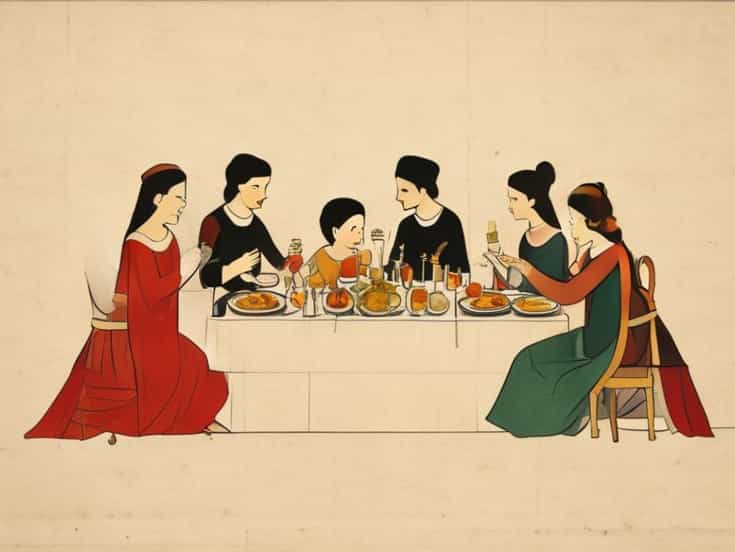
The Wedding Feast at Cana by Paolo Veronese is one of the most fascinating masterpieces of Renaissance art, blending spiritual storytelling, grand architectural design, and the lively spirit of Venetian culture. This monumental painting invites viewers into a crowded banquet scene, filled with movement, color, music, and subtle symbolism. Instead of presenting the biblical miracle in a quiet or distant way, Veronese transforms the moment into a vibrant celebration of human life, creativity, and drama, making the work feel timeless and emotionally engaging even for modern audiences.
Historical Background and Artistic Context
The Wedding Feast at Cana by Paolo Veronese was created during the 16th century, a period when Venice stood as a powerful cultural center. Artists of this era explored light, perspective, and storytelling in bold new ways. Veronese was known for his ability to fill large canvases with elaborate figures and luxurious details, reflecting both religious themes and the everyday elegance of Venetian society.
The painting was originally commissioned for a monastery refectory, meaning it was meant to hang in a dining hall where monks gathered to eat. This setting was meaningful, as the biblical wedding banquet symbolically connected the act of shared meals with deeper spiritual reflection. By placing the miracle inside a grand social gathering, Veronese invited viewers to think about faith within the rhythm of daily life.
Understanding the Central Theme
The story depicted in The Wedding Feast at Cana describes the moment when Jesus turns water into wine, considered the first miracle of the New Testament. However, Veronese does not emphasize the miracle as an isolated event. Instead, he surrounds it with musicians, servants, nobles, and architectural forms that stretch across a massive canvas.
This approach creates a powerful contrast between the calm figure of Christ and the energy of the surrounding celebration. The scene feels full of movement and emotion, yet the miracle itself remains quiet, almost hidden within the larger drama of the wedding feast.
Composition and Visual Structure
The layout of the painting shows Veronese’s mastery of composition. The gathering is arranged across multiple horizontal layers, guiding the viewer’s eye from the foreground activity to the background architecture and open sky. The use of perspective makes the feast appear deep and expansive, giving the illusion of stepping into the space.
Architectural Grandeur and Spatial Depth
The painting features classical columns, terraces, and stone structures that reflect Renaissance fascination with symmetry and geometry. These elements frame the figures and create a theatrical atmosphere. Instead of a modest biblical village, Veronese reimagines the scene as a Venetian-style celebration, blending sacred narrative with contemporary culture.
- The stone architecture emphasizes order and harmony.
- The columns divide the scene into balanced visual sections.
- The open sky enhances a sense of scale and openness.
- The terraces allow for layered storytelling within one composition.
This architectural setting reinforces the grandeur of the event while symbolically connecting heaven, earth, and human society.
Characters, Costumes, and Symbolism
The Wedding Feast at Cana by Paolo Veronese contains dozens of figures, each contributing to the atmosphere of music, conversation, and movement. Guests are dressed in rich fabrics and elegant garments, reflecting Venetian fashion rather than traditional biblical attire. This stylistic choice helps the painting feel immediate and relatable, as if the miracle could occur in any time period.
The Central Figures
Christ sits quietly at the center of the table, surrounded by guests who remain unaware of the miracle taking place. Mary is positioned near him, emphasizing her role in prompting the event. Their stillness contrasts with the lively surroundings, symbolizing spiritual calm within worldly activity.
Everyday Life in Motion
Around the central figures, musicians play instruments, servants pour water, and guests engage in animated conversation. These human gestures are not just decorative; they suggest the complexity of social interaction, the rhythm of celebration, and the unnoticed presence of the divine within everyday moments.
Use of Color and Light
Color plays a major role in shaping the emotional atmosphere of the painting. Veronese uses warm tones, shimmering fabrics, and bright highlights to emphasize richness and festivity. Light moves across the canvas, illuminating faces, garments, and architectural details while creating depth and texture.
- Rich reds and golds suggest luxury and celebration.
- Cool blues and greys balance the composition.
- Soft shadows add realism and volume.
- Bright highlights draw attention to key figures.
The harmony of light and color contributes to the painting’s sense of unity and theatrical beauty.
Cultural Influence and Artistic Legacy
The Wedding Feast at Cana has influenced generations of artists, scholars, and viewers. It demonstrates how religious art can move beyond simple illustration to capture emotion, culture, and human experience. Veronese’s approach helped expand the visual language of narrative painting, encouraging artists to explore larger scenes and dramatic storytelling techniques.
Like many Renaissance masterpieces, the work reflects a blend of spirituality and realism. By portraying sacred history through the lens of contemporary life, Veronese makes the story feel personal and universal at the same time.
Interpretations and Deeper Meaning
Beyond its visual beauty, the painting suggests themes of transformation, celebration, and community. The miracle of turning water into wine becomes a symbol of renewal and hidden grace. The lively crowd reminds viewers that moments of faith can exist within ordinary human gatherings, relationships, and celebrations.
The painting also invites reflection on contrast – between silence and sound, stillness and movement, sacred meaning and everyday reality. Through this balance, Veronese encourages viewers to look closer, discovering meaning beneath the surface activity of the scene.
Why The Wedding Feast at Cana Remains Significant
Today, The Wedding Feast at Cana by Paolo Veronese continues to attract attention for its artistic scale, visual richness, and layered storytelling. It stands not only as a representation of a biblical event but also as a celebration of culture, creativity, and human expression. The painting invites viewers to participate in the feast, to observe the miracle quietly unfolding among music, architecture, and emotion.
Its power lies in the way it blends spiritual narrative with real human presence, reminding us that beauty, faith, and transformation can exist within the joyful noise of life. Through its depth of meaning and visual brilliance, the artwork remains one of the most remarkable achievements of Renaissance painting and a lasting symbol of artistic imagination.