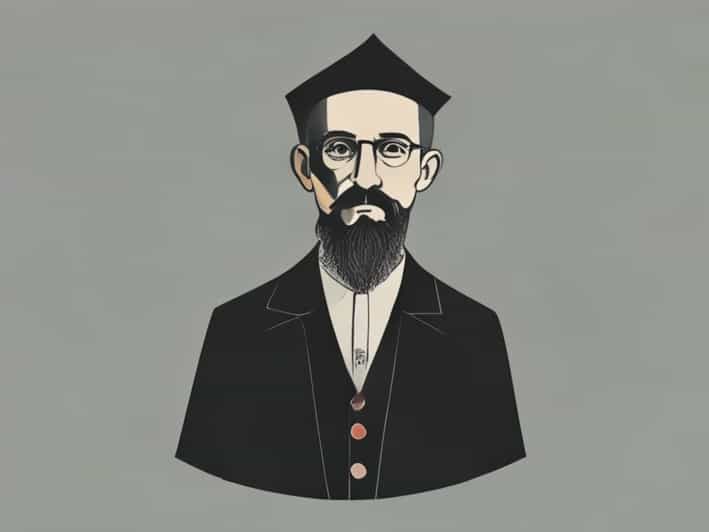
Anthony Trollope is widely known for his detailed portrayal of Victorian society, and among his most memorable creations are the clergymen of the Church of England who appear throughout his novels. These characters are not presented as distant religious figures, but as fully human individuals shaped by faith, ambition, weakness, and social pressure. Through them, Trollope offers readers insight into the spiritual life, moral challenges, and institutional realities of the Anglican Church in nineteenth-century England.
Trollope’s Relationship with the Church of England
Trollope had a close and personal understanding of the Church of England. His father was an Anglican clergyman, and Trollope himself grew up surrounded by church life, doctrine, and clerical culture. This background allowed him to write about clergymen with familiarity and nuance rather than idealization or hostility.
Instead of portraying clergy as saints or villains, Trollope presents them as ordinary men navigating both spiritual duties and worldly concerns. His work reflects respect for the Church of England as an institution, while also offering gentle but honest criticism of its flaws.
A Balance of Faith and Realism
Trollope’s approach is marked by balance. He neither mocks religion nor places it beyond question. His clergymen are often sincere believers, but they are also influenced by class, income, marriage prospects, and career advancement.
The Clergyman as a Social Figure
In Trollope’s novels, clergymen occupy an important position in English society. They are moral guides, community leaders, and social participants. The Church of England is shown as deeply woven into daily life, especially in rural parishes.
Clergy are often involved in local politics, family disputes, and social gatherings. This dual role highlights the tension between spiritual responsibility and social expectation.
The Parish as a Microcosm
The parish setting allows Trollope to explore broader social themes on a smaller scale. Through parish life, he examines authority, charity, tradition, and change within English society.
Different Types of Clergymen in Trollope’s Work
Trollope does not present a single model of the Anglican clergyman. Instead, he creates a wide range of characters, each representing different attitudes toward faith and duty. Some are devoted and humble, while others are ambitious or complacent.
This variety helps readers understand that the Church of England was not a monolithic institution but a complex organization shaped by individual personalities.
Common Clerical Archetypes
- The earnest parish priest devoted to pastoral care
- The ambitious clergyman seeking promotion
- The comfortable rector resistant to change
- The morally conflicted clergyman facing personal dilemmas
Clerical Ambition and Career Advancement
One recurring theme in Trollope’s portrayal of Church of England clergymen is ambition. Positions within the church often came with financial security and social status, making advancement an important concern.
Trollope treats ambition with nuance. He does not condemn it outright, but he shows how it can conflict with spiritual integrity. Some clergymen struggle to reconcile personal advancement with their calling to serve.
Livings, Patronage, and Power
The system of church livings and patronage plays a significant role in Trollope’s stories. Clergy often depend on influential patrons, which can blur the line between merit and favoritism.
Marriage and Family Life of Clergymen
Unlike clergy in some other Christian traditions, Anglican clergymen were allowed to marry, and Trollope makes full use of this fact. Marriage often affects a clergyman’s career, finances, and social standing.
Through these relationships, Trollope explores domestic life alongside religious duty. Wives of clergymen are shown as influential figures who shape parish life and social connections.
The Clergyman’s Household
The home of a clergyman often functions as an extension of the parish. Hospitality, respectability, and moral example are expected, adding pressure to both husband and wife.
Moral Struggles and Inner Conflict
Trollope’s clergymen frequently face moral dilemmas. These struggles make them relatable and human. They wrestle with questions of honesty, duty, pride, and compassion.
Rather than offering simple moral lessons, Trollope allows characters to grow gradually. Mistakes are not always punished harshly, and virtue is not always immediately rewarded.
Faith Tested by Reality
These inner conflicts reflect Trollope’s belief that faith is lived out in imperfect conditions. His clergymen must apply religious principles in complex, real-world situations.
Church Authority and Institutional Critique
While Trollope respects the Church of England, he does not shy away from critiquing its bureaucracy and hierarchy. Bishops, archdeacons, and church officials are portrayed with the same realism as parish priests.
Authority figures may be wise and compassionate, or rigid and self-interested. Trollope suggests that institutions, like individuals, require integrity and humility to function well.
Tradition Versus Reform
Many of Trollope’s novels touch on tensions between tradition and reform within the church. These debates reflect broader social changes in Victorian England.
The Church of England as a Moral Framework
In Trollope’s fictional world, the Church of England provides a moral framework rather than absolute answers. It shapes values, encourages responsibility, and offers stability in a changing society.
Clergymen are expected to model these values, even when they struggle personally. Their failures and successes highlight the challenges of moral leadership.
Religion as Daily Practice
Trollope presents religion as something lived daily through decisions, relationships, and responsibilities, not just through sermons or doctrine.
Why Trollope’s Clergymen Still Matter
Modern readers continue to find Trollope’s clergymen relevant because they reflect timeless human concerns. Ambition, integrity, faith, and social pressure remain familiar experiences.
His realistic portrayal invites empathy rather than judgment. Readers are encouraged to see clergy not as symbols, but as people navigating complex roles.
Literary and Cultural Legacy
Trollope’s depiction of Church of England clergymen has shaped how later writers and readers understand Victorian religious life. His influence extends beyond literature into cultural history.
Humanity Within the Church
The Trollope clergymen of the Church of England stand out because of their humanity. They are thoughtful, flawed, sincere, and often conflicted. Through them, Trollope explores the intersection of faith, society, and personal character.
Rather than presenting an idealized church, Trollope offers a living institution shaped by real people. His portrayal encourages understanding, reflection, and a deeper appreciation for the challenges of religious leadership in any era.