Ulnar nerve palsy is a neurological condition that can significantly impact hand function and overall quality of life. One of the most recognizable consequences of this condition is the development of a claw hand deformity, which occurs when the muscles controlled by the ulnar nerve become weak or paralyzed. The ulnar nerve is responsible for the fine motor movements of the hand, as well as certain sensory functions, making its impairment both functionally and socially significant. Understanding the causes, symptoms, diagnosis, and treatment options for ulnar nerve palsy with claw hand is essential for patients, caregivers, and healthcare providers aiming to restore hand function and prevent long-term complications.
Anatomy of the Ulnar Nerve
The ulnar nerve originates from the brachial plexus, specifically from the C8 and T1 nerve roots. It travels along the inner side of the arm, passing behind the elbow in the cubital tunnel, and continues down into the hand. This nerve provides motor innervation to several intrinsic hand muscles, including the interossei, the hypothenar muscles, and the medial two lumbricals, which are critical for finger flexion, extension, and coordinated movements. Additionally, it supplies sensory innervation to the medial one and a half fingers and part of the palm. Damage to this nerve disrupts both motor and sensory functions, often resulting in noticeable deformities such as claw hand.
Understanding Claw Hand
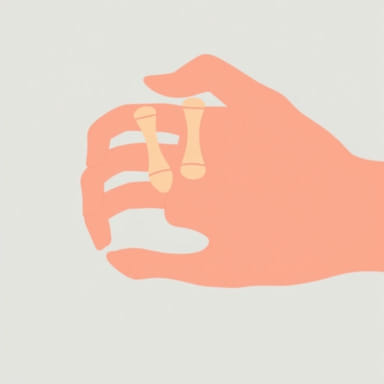
Claw hand is a distinctive hand deformity characterized by hyperextension at the metacarpophalangeal (MCP) joints and flexion at the proximal and distal interphalangeal (PIP and DIP) joints of the fourth and fifth fingers. This deformity occurs due to an imbalance between the weakened ulnar-innervated muscles and the unaffected extensor muscles. Over time, prolonged weakness can lead to contractures, making the clawing permanent if untreated. The deformity not only affects the appearance of the hand but also limits functional activities such as gripping, pinching, and performing delicate tasks.
Causes of Ulnar Nerve Palsy
Ulnar nerve palsy leading to claw hand can result from various causes, ranging from trauma to systemic diseases. Common causes include
- Trauma or compression at the elbow, especially in the cubital tunnel
- Fractures or dislocations of the elbow or wrist affecting nerve pathways
- Chronic pressure on the nerve from repetitive activities or prolonged elbow flexion
- Peripheral neuropathies associated with diabetes or other metabolic disorders
- Infections, inflammation, or tumors that impinge on the ulnar nerve
- Post-surgical complications following orthopedic procedures
Symptoms of Ulnar Nerve Palsy
The clinical presentation of ulnar nerve palsy includes both motor and sensory symptoms. Early recognition of these signs can help prevent permanent deformities such as claw hand. Common symptoms include
- Weakness in grip strength, particularly affecting the ring and little fingers
- Difficulty performing fine motor tasks such as buttoning, writing, or typing
- Numbness or tingling along the medial aspect of the hand and fingers
- Muscle wasting in the hypothenar eminence and interosseous muscles
- Development of claw hand deformity if untreated
- Pain or discomfort at the site of nerve compression
Progression of Symptoms
Ulnar nerve palsy symptoms can progress gradually or suddenly, depending on the cause. In cases of compression, initial symptoms often include intermittent tingling and mild weakness. Over time, as muscle atrophy develops, clawing becomes more evident, and patients may lose fine motor coordination. Early diagnosis is essential to halt progression and restore nerve function before permanent deformity sets in.
Diagnosis of Ulnar Nerve Palsy
Accurate diagnosis involves a combination of clinical examination and diagnostic tests. Healthcare providers typically assess hand posture, muscle strength, sensory function, and reflexes. Key diagnostic steps include
- Physical examination to evaluate muscle wasting and clawing
- Electromyography (EMG) to measure electrical activity in muscles
- Nerve conduction studies to assess the speed and quality of nerve signals
- Imaging studies such as MRI or ultrasound to detect structural causes of compression
Early diagnosis allows for timely intervention, potentially preventing irreversible muscle damage and severe claw deformity.
Treatment Options
Management of ulnar nerve palsy with claw hand depends on the severity, cause, and duration of symptoms. Treatment can be categorized into conservative and surgical approaches
Conservative Treatments
- Physical therapy to maintain range of motion and prevent contractures
- Splinting to support the hand and reduce clawing
- Activity modification to avoid prolonged pressure or repetitive strain on the nerve
- Medications to reduce inflammation or manage neuropathic pain
Surgical Interventions
In cases where conservative measures are insufficient, surgical treatment may be necessary. Surgical options include
- Decompression surgery to relieve pressure on the ulnar nerve
- Nerve repair or grafting in traumatic injuries
- Tendon transfers to restore balance and hand function
- Corrective procedures for claw hand deformity, including MCP joint release or soft tissue reconstruction
Rehabilitation and Recovery
Post-treatment rehabilitation is critical for restoring hand function and minimizing long-term disability. Rehabilitation focuses on
- Strengthening intrinsic hand muscles through targeted exercises
- Improving grip and pinch functions
- Maintaining flexibility of fingers and joints
- Educating patients on ergonomics and safe hand usage
Recovery may take several months, and consistent adherence to therapy significantly improves outcomes. Early intervention, combined with diligent rehabilitation, can often prevent permanent clawing and restore functional hand use.
Prevention Strategies
Preventing ulnar nerve palsy involves minimizing risk factors associated with nerve compression or injury. Key strategies include
- Avoiding prolonged elbow flexion or leaning on elbows for extended periods
- Using ergonomic workstations and protective padding during repetitive activities
- Prompt evaluation and treatment of traumatic injuries to the arm or elbow
- Managing systemic conditions like diabetes that can predispose to neuropathy
Ulnar nerve palsy with claw hand is a condition that can significantly impair hand function and affect daily life. Understanding the anatomy of the ulnar nerve, the causes of its injury, and the clinical manifestations of claw hand is crucial for effective management. Early diagnosis, timely intervention, and a combination of conservative and surgical treatments can restore function and prevent permanent deformity. Rehabilitation plays a central role in recovery, emphasizing strength, flexibility, and functional use of the hand. By raising awareness and promoting preventive measures, patients and healthcare providers can work together to reduce the impact of ulnar nerve palsy and maintain hand health.
Maintaining vigilance for early signs of weakness, numbness, or clawing is essential. Patients experiencing symptoms should seek prompt medical evaluation to ensure optimal outcomes. With proper care and adherence to therapy, many individuals with ulnar nerve palsy can regain substantial hand function and resume their daily activities without significant limitations.