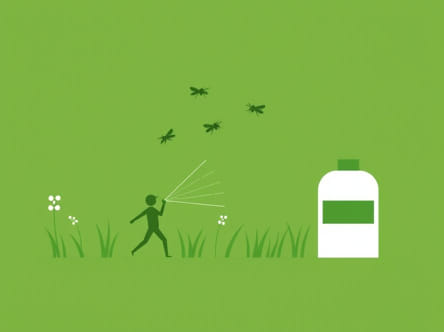
ULV spraying for mosquitoes has become one of the most widely used methods for controlling mosquito populations in urban, suburban, and rural areas. Ultra Low Volume (ULV) spraying involves dispersing insecticides in extremely fine droplets to target adult mosquitoes effectively without causing excessive environmental contamination. As mosquito-borne diseases such as dengue, malaria, Zika, and chikungunya continue to pose significant public health risks, ULV spraying has proven to be a crucial tool for governments, public health agencies, and communities. Understanding how ULV spraying works, its benefits, safety considerations, and proper implementation can help maximize its effectiveness while minimizing risks.
What is ULV Spraying?
ULV spraying, or Ultra Low Volume spraying, is a technique used to control adult mosquito populations by dispersing a very fine mist of insecticide into the air. The droplets are typically in the range of 10 to 30 microns in diameter, which allows them to remain suspended in the air for longer periods, increasing the likelihood of contact with flying mosquitoes. Unlike traditional spraying methods, ULV spraying uses a minimal amount of insecticide, reducing environmental impact while maintaining efficiency in mosquito control.
Mechanism of Action
The ultra-fine droplets of insecticide delivered during ULV spraying penetrate mosquito flight paths and contact the insects directly. The insecticide works by affecting the mosquito’s nervous system, leading to rapid knockdown and eventual mortality. Because ULV spraying targets adult mosquitoes, it is typically used in conjunction with other control measures such as larviciding, source reduction, and public education to achieve comprehensive mosquito management.
Equipment Used in ULV Spraying
ULV spraying requires specialized equipment designed to generate ultra-fine droplets consistently. Common devices include
- Truck-mounted ULV foggers for large-scale outdoor spraying
- Backpack ULV foggers for targeted application in smaller or difficult-to-reach areas
- Portable electric or gasoline-powered ULV machines for indoor or semi-enclosed spaces
These machines allow operators to control droplet size, flow rate, and spray duration, ensuring effective coverage while minimizing chemical use.
Benefits of ULV Spraying for Mosquito Control
ULV spraying offers several advantages over traditional mosquito control methods, making it a preferred choice for public health interventions.
Effective Adult Mosquito Control
By targeting adult mosquitoes directly, ULV spraying helps reduce biting populations quickly, which is critical for preventing the transmission of mosquito-borne diseases. This rapid knockdown effect is particularly useful during outbreak situations or in areas with high mosquito densities.
Reduced Chemical Usage
Because ULV spraying uses ultra-fine droplets, only a small quantity of insecticide is required to achieve effective mosquito control. This reduces the environmental footprint compared to conventional spraying methods, making ULV spraying more sustainable and safer for non-target organisms.
Flexibility and Coverage
ULV spraying can be applied in various settings, including residential neighborhoods, parks, wetlands, and commercial areas. Equipment can be adapted for indoor, outdoor, or semi-enclosed environments, providing flexibility to target mosquito populations wherever they are found.
Safety Considerations in ULV Spraying
While ULV spraying is generally safe when conducted properly, there are important safety considerations for operators, residents, and the environment.
Operator Safety
- Use of personal protective equipment (PPE) such as masks, gloves, and goggles
- Proper training on ULV machine operation and insecticide handling
- Adherence to recommended dosage and droplet size guidelines
Public Safety
Residents should be informed of spraying schedules and advised to stay indoors during ULV applications if possible. Avoiding direct exposure to the insecticide and removing pets or sensitive equipment from the area can further minimize risks. Signs and community notifications can help ensure public awareness and cooperation.
Environmental Impact
ULV spraying is designed to minimize environmental contamination by using very low volumes of insecticide. However, operators should ensure that spraying does not contaminate water sources, pollinator habitats, or areas with sensitive wildlife. Selection of environmentally safe insecticides and adherence to local regulations are critical to reducing unintended consequences.
Implementing ULV Spraying Programs
Successful mosquito control with ULV spraying requires careful planning, monitoring, and integration with other vector management strategies.
Planning and Scheduling
Spraying should be timed to coincide with periods of peak mosquito activity, typically during early morning or late evening when mosquitoes are most active. Meteorological conditions such as wind speed, humidity, and temperature should also be considered, as they affect droplet dispersal and deposition.
Monitoring and Evaluation
Regular monitoring of mosquito populations before and after ULV spraying helps assess the effectiveness of the intervention. Techniques such as trap counts, larval surveys, and disease incidence tracking provide valuable data to optimize future spraying operations.
Integration with Other Measures
ULV spraying is most effective when combined with other mosquito control strategies, including
- Larval habitat reduction by eliminating standing water
- Larviciding using environmentally safe chemical or biological agents
- Community education on personal protective measures, such as using repellents and wearing long-sleeved clothing
- Use of mosquito nets in residential areas
Limitations of ULV Spraying
Despite its advantages, ULV spraying has some limitations that must be acknowledged. It primarily targets adult mosquitoes and does not eliminate larvae or eggs, meaning that repeated applications or complementary measures are necessary. Effectiveness can also be influenced by weather conditions, insecticide resistance, and complex urban environments where coverage may be inconsistent. Understanding these limitations helps public health authorities and communities implement more comprehensive mosquito management programs.
ULV spraying for mosquitoes is a powerful and efficient tool in the fight against mosquito-borne diseases. Its ability to target adult mosquito populations with minimal chemical use, combined with flexibility in application and rapid knockdown effect, makes it an essential component of integrated vector management programs. Proper planning, adherence to safety protocols, public awareness, and integration with other mosquito control measures enhance its effectiveness while minimizing risks. As mosquito-borne illnesses continue to threaten public health, ULV spraying remains a vital strategy to protect communities and reduce the burden of disease worldwide.