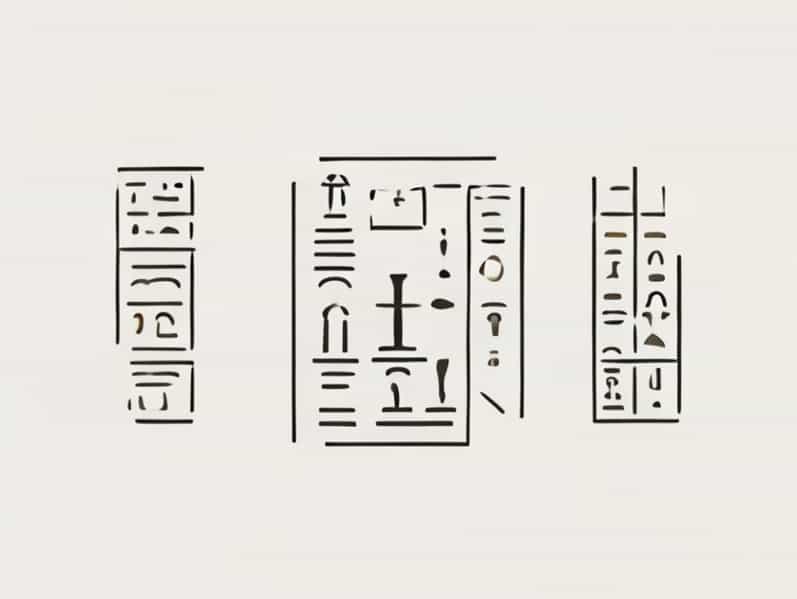
Hieroglyphs are one of the most fascinating and visually striking forms of writing from ancient Egypt. They combine symbols, pictures, and characters to convey complex ideas, sounds, and words. While at first glance hieroglyphs may seem intimidating, understanding their basic principles can open a window into the culture, history, and daily life of ancient Egyptians. This guide provides a quick and simple approach to understanding hieroglyphs, breaking down their structure, common symbols, and techniques for interpreting texts, making it accessible for beginners and enthusiasts alike.
What Are Hieroglyphs?
Hieroglyphs are a writing system used by ancient Egyptians for thousands of years, primarily for religious texts, monumental inscriptions, and official records. Unlike modern alphabets, hieroglyphs consist of pictorial symbols that represent objects, sounds, or ideas. Each symbol can function in multiple ways depending on its context, making the writing system both versatile and complex. Hieroglyphs were often carved into stone or written on papyrus using reed brushes, highlighting their importance in recording history and culture.
Types of Hieroglyphs
Understanding the types of hieroglyphs is essential for interpretation. They can generally be divided into three categories
- PhonogramsSymbols that represent sounds or syllables. They are similar to letters in modern alphabets.
- IdeogramsSymbols that represent ideas or objects directly. For example, a symbol of a sun can represent the sun itself or concepts related to it.
- DeterminativesSymbols placed at the end of words to clarify their meaning, particularly when a word could be interpreted in multiple ways.
Reading Hieroglyphs
Hieroglyphs can be read in different directions left to right, right to left, or top to bottom. The direction of the symbols’ faces often indicates the reading direction. If the characters face left, you read from left to right; if they face right, you read from right to left. Understanding these conventions is crucial for correctly interpreting inscriptions.
Understanding Symbols and Their Context
Each hieroglyphic symbol carries meaning based on context. While some symbols have literal meanings, others serve phonetic purposes or act as clarifiers. Beginners should start with common symbols and frequently occurring words. Contextual understanding also helps distinguish similar-looking symbols and prevent misinterpretation.
Common Hieroglyphic Symbols
Starting with frequently used symbols makes learning hieroglyphs manageable. Here are some common examples
- AnkhSymbol of life, often found in religious and funerary texts.
- Eye of HorusA symbol of protection, health, and royal power.
- ScarabsRepresent rebirth and the cycle of life.
- Birds and AnimalsEach animal often represents both phonetic sounds and symbolic meanings, such as strength, wisdom, or divine attributes.
Learning these symbols provides a foundation for reading more complex inscriptions.
Techniques for Learning Hieroglyphs
Beginners can use several techniques to make learning hieroglyphs quicker and more effective. Consistent practice, visual recognition, and association with meanings help develop familiarity.
Start with Phonetics
Understanding phonograms allows you to sound out words and gain confidence in reading inscriptions. Many hieroglyphic dictionaries and learning tools focus on these phonetic symbols first.
Use Flashcards and Visual Aids
- Create flashcards with symbols on one side and meanings on the other.
- Practice identifying symbols in texts or images of inscriptions.
- Associate symbols with real-world objects or concepts to enhance memory retention.
Break Down Words
Many hieroglyphic words combine multiple symbols. Break down these words into phonograms, ideograms, and determinatives to understand their structure. This method helps identify patterns and improves translation skills over time.
Understanding Hieroglyph Grammar
Hieroglyphic grammar differs from modern languages. Word order and symbol combinations can alter meaning. Some basic rules to keep in mind include
Use of Determinatives
Determinatives are added to the end of words to clarify meaning. For instance, a symbol of a man may follow a word to indicate that the term relates to a person, preventing confusion with other words that sound similar.
Plural Forms
Hieroglyphs often indicate plurals by repeating symbols or adding specific marks. Recognizing these forms helps accurately interpret inscriptions describing multiple objects or people.
Verb Placement
Verbs typically follow subjects in inscriptions. Paying attention to the order of symbols can clarify actions described in texts, providing insight into narratives and historical accounts.
Resources for Learning Hieroglyphs
Several resources can aid beginners in learning hieroglyphs quickly and effectively
- Hieroglyphic dictionaries and guides that categorize symbols and meanings.
- Online tutorials and interactive tools that allow practice with translation exercises.
- Books and academic papers that explain historical context and cultural significance.
- Museums and virtual tours that display hieroglyphic inscriptions for practical observation.
Practical Applications of Understanding Hieroglyphs
Learning to read hieroglyphs is not just an academic exercise; it opens opportunities to explore ancient Egyptian history and culture more deeply. Scholars, students, and enthusiasts can
Interpret Ancient Texts
Hieroglyphs preserve religious texts, legal documents, and historical accounts. Understanding them allows researchers to analyze beliefs, social structures, and events from ancient Egypt.
Enhance Museum Visits
Visitors to museums can gain more appreciation by recognizing hieroglyphs on artifacts, tombs, and monuments, adding depth to their experience and understanding of ancient civilization.
Creative and Educational Projects
Teachers, students, and hobbyists can incorporate hieroglyphic writing into educational activities, art, and storytelling, making history engaging and interactive.
Understanding hieroglyphs may seem daunting at first, but by breaking down their types, learning common symbols, and practicing reading strategies, beginners can gain significant insight into ancient Egyptian culture. Focus on phonetics, use flashcards, observe context, and gradually expand vocabulary to build confidence. Hieroglyphs offer a fascinating glimpse into the world of the ancient Egyptians, revealing their values, beliefs, and daily life. With patience and consistent practice, anyone can learn to appreciate and interpret these beautiful and complex symbols, transforming a seemingly intricate script into an accessible and enriching form of communication.