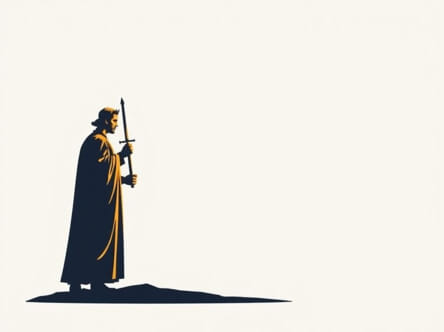
Macbeth is one of Shakespeare’s most psychologically intense characters, a man driven by ambition, guilt, and fate. From the moment he hears the witches’ prophecy, Macbeth’s perception of his destiny begins to shift. He increasingly believes that his rise to power is inevitable and justified. Even as circumstances grow darker and more dangerous, Macbeth clings to a belief in his invincibility. This fatal confidence does not waver, even as reality begins to betray him. His beliefs shape his actions, leading to tragic consequences and revealing deep truths about ambition, power, and self-deception.
The Power of Prophecy
One of the central elements in Macbeth’s belief system is the witches’ prophecy. They tell him he will become Thane of Cawdor and eventually the King of Scotland. When part of their prophecy is quickly fulfilled, Macbeth begins to trust completely in their words. He believes he is destined for greatness and starts to act in accordance with that vision. He does not question the witches’ motives or reliability. Instead, he uses their prediction to justify his ambition and violent choices.
Blind Trust in Supernatural Promises
As the witches continue to feed Macbeth’s desires, they offer more prophecies that further distort his understanding of reality. For instance, they tell him that no man born of a woman can harm him and that he will not be defeated until Birnam Wood comes to Dunsinane Hill. These cryptic assurances make him feel invincible. He interprets them literally and fails to consider alternate meanings. This blind faith shows how deeply he believes he is protected by fate.
The Role of Ambition and Pride
Macbeth’s ambition is a key driver of his belief in his own invulnerability. Once he imagines himself as king, he becomes obsessed with securing and maintaining that position. Even after killing Duncan, he cannot rest. He begins to see threats everywhere. His ambition transforms into paranoia, but his belief that he is fated to rule allows him to continue his brutal path. He believes he can outsmart fate by controlling all variables through murder, manipulation, and fear.
Lady Macbeth’s Influence
In the early stages, Lady Macbeth plays a vital role in reinforcing Macbeth’s beliefs. She challenges his manhood and urges him to act on his ambition. Her confidence becomes his own. However, as she starts to unravel emotionally, Macbeth distances himself and becomes more isolated in his thinking. His belief in the prophecy hardens, and he stops listening to reason. He believes he alone understands what must be done, and he grows increasingly cruel and detached.
Delusion in the Face of Reality
As Macbeth’s enemies gather and his allies fall away, he remains convinced of his security. He sees signs of rebellion, but he still believes no harm can come to him. Even when he hears that Macduff was born by Caesarean section, thus technically not born of a woman, he resists the truth. He clings to the witches’ prophecy until it is too late. When Birnam Wood appears to move as Malcolm’s army uses branches for camouflage Macbeth still refuses to believe he could lose.
The Tragic Recognition
In the final scenes, Macbeth finally begins to realize that he has been deceived. Yet, even at this point, he chooses to fight. He believes that dying with honor is better than surrendering. This last act reveals a complex mixture of pride, courage, and denial. He still believes that his identity as king and warrior must be defended, no matter the cost. His death is both a tragic fall and a final assertion of his misguided beliefs.
The Irony of Macbeth’s Beliefs
The most profound irony in Macbeth’s story is that his belief in fate leads him to create the very conditions of his downfall. If he had waited, perhaps the prophecy would have been fulfilled without bloodshed. But his impatience, driven by ambition and trust in the supernatural, pushes him into a series of fatal decisions. He believes he controls fate, yet he is manipulated by it at every step.
- Macbeth believes the prophecy makes him invincible.
- He trusts appearances rather than reality.
- His ambition blinds him to warning signs.
- Even when defeated, he believes in honor through battle.
The Relevance of Macbeth’s Beliefs
Macbeth’s unshaken belief until the very end is more than just a personal tragedy. It reflects broader human tendencies our desire for control, our vulnerability to deception, and the danger of unchecked ambition. His story warns against interpreting fate as permission, and against confusing confidence with wisdom. Macbeth’s belief system is a house of cards built on illusion, and its collapse is inevitable once reality intervenes.
A Modern Perspective
Even today, Macbeth’s character resonates. Leaders who believe they are invincible, who ignore warnings, and who trust too much in their own greatness often follow similar paths. Shakespeare shows how belief, when separated from truth and humility, can become a dangerous force. Macbeth’s downfall is not caused by fate alone, but by his refusal to question his own assumptions.
Belief as Tragedy
Until the very end, Macbeth believes that he is untouchable, chosen, and justified. These beliefs drive his decisions and distort his view of the world. He is a man lost in a storm of ambition, guided by cryptic words and false confidence. His refusal to see the truth until it is too late makes his story a timeless tragedy. Through Macbeth, Shakespeare explores how belief when fueled by pride, ambition, and illusion can lead not to greatness, but to ruin.