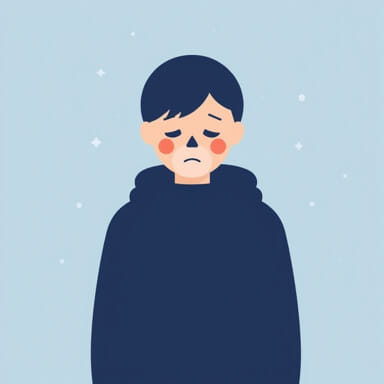
Hypothermia is a serious medical condition that occurs when the body loses heat faster than it can produce it, causing a dangerously low body temperature. Recognizing hypothermia early is crucial because the condition can progress rapidly and may lead to life-threatening complications if left untreated. The first noticeable symptom of hypothermia is often subtle and can easily be overlooked, making awareness and prompt action essential for preventing severe outcomes. Understanding the initial signs, causes, and effective responses can empower individuals to respond quickly and protect themselves or others in cold environments.
What is Hypothermia?
Hypothermia occurs when the core body temperature drops below 95°F (35°C). This drop disrupts normal metabolic processes and affects vital organs, including the heart, brain, and muscles. The condition can result from prolonged exposure to cold weather, immersion in cold water, inadequate clothing, or medical conditions that impair heat production. While severe hypothermia is life-threatening, mild hypothermia can also cause discomfort and impair physical and cognitive functions.
Causes of Hypothermia
There are several common causes that increase the risk of developing hypothermia
- Prolonged exposure to cold, windy, or wet environments.
- Immersion in cold water, which accelerates heat loss.
- Wearing inadequate or wet clothing in cold conditions.
- Medical conditions such as diabetes, hypothyroidism, or malnutrition.
- Excessive alcohol consumption, which can impair the body’s ability to regulate temperature.
Usually the First Noticeable Symptom of Hypothermia
The first noticeable symptom of hypothermia is typically shivering. Shivering is the body’s automatic response to generate heat through rapid, involuntary muscle contractions. This symptom is a clear indicator that the body is attempting to combat heat loss. While shivering may start mildly, it can become intense and uncontrollable as hypothermia progresses. Recognizing shivering as the earliest sign allows for timely intervention, which can prevent more serious complications.
Other Early Symptoms
In addition to shivering, mild hypothermia may present with several other early symptoms
- Cold and pale skin, often with a bluish tint in extremities such as fingers and toes.
- Fatigue or general weakness, making it difficult to perform physical tasks.
- Clumsiness or lack of coordination, which may increase the risk of falls and injury.
- Confusion or difficulty concentrating, signaling that the brain is being affected by cold.
- Rapid breathing or heart rate, as the body attempts to maintain internal warmth.
Progression of Hypothermia
If hypothermia is not addressed promptly, the condition can worsen, leading to moderate and severe stages. As the body temperature continues to drop, shivering may decrease and eventually stop, which is a sign of worsening hypothermia. Cognitive function becomes further impaired, and individuals may exhibit slurred speech, drowsiness, and irrational behavior. Severe hypothermia can result in loss of consciousness, slowed heart rate, dangerously low blood pressure, and even death. Early recognition of the first symptom shivering is therefore critical for prevention.
High-Risk Groups
Certain individuals are more susceptible to hypothermia and may require special attention
- Infants and young children, who lose body heat more rapidly than adults.
- Elderly individuals, who may have impaired thermoregulation.
- People with medical conditions affecting metabolism or circulation.
- Individuals under the influence of alcohol or sedatives, which impair judgment and the body’s heat regulation.
- Outdoor workers, hikers, or those exposed to cold environments for extended periods.
Preventing Hypothermia
Preventing hypothermia involves taking proactive steps to maintain body heat and limit exposure to cold conditions. Key strategies include
- Wearing multiple layers of warm, dry clothing that insulate against heat loss.
- Using hats, gloves, scarves, and insulated footwear to protect extremities.
- Seeking shelter from wind, rain, and snow whenever possible.
- Staying dry, as moisture accelerates heat loss.
- Consuming warm food and beverages to support body temperature.
- Monitoring vulnerable individuals, such as children and the elderly, in cold environments.
Responding to Early Symptoms
When the first symptom of hypothermia shivering is observed, immediate action is necessary. Effective responses include
- Moving the person to a warm, sheltered environment.
- Removing wet clothing and replacing it with dry, insulating layers.
- Providing warm, non-alcoholic drinks to help raise internal temperature.
- Encouraging physical movement to generate heat, if the individual is able.
- Using blankets, heating pads, or body heat from another person to provide additional warmth.
Medical Intervention
In cases where hypothermia progresses beyond mild stages, professional medical intervention is necessary. Healthcare providers may employ techniques such as warm intravenous fluids, heated blankets, and specialized equipment to safely raise body temperature. Early recognition and prompt treatment are essential for minimizing the risk of complications, including cardiac arrest and organ failure.
Hypothermia is a potentially life-threatening condition that requires early recognition and prompt action. Shivering is usually the first noticeable symptom and serves as a critical warning sign that the body is losing heat. Awareness of this initial symptom, along with understanding additional early signs, causes, and risk factors, allows individuals to respond quickly and prevent further progression. Effective prevention, timely intervention, and medical support when necessary can significantly reduce the dangers associated with hypothermia, ensuring safety and well-being in cold environments.